086 15318950099


Choosing the 2026 best Wood Grain Fire Door is not simply a matter of selecting the most attractive finish. Global buyers must examine fire ratings, test evidence, construction quality, hardware compatibility, and installation support.
A convincing wood texture may resemble oak, walnut, or ash. Yet the core may contain mineral boards, fire-resistant timber, steel reinforcement, or tested composite layers. These details matter when heat reaches the door leaf, glazing, seals, and frame. Small gaps can become serious weaknesses.
Lori Greene, a respected fire-door consultant and egress-safety specialist, states: “A fire door is a life-safety device, not merely a door.” Her point should guide every purchasing decision. A Wood Grain Fire Door must protect people while meeting the required performance standard for its destination. Buyers may need evidence aligned with UL, NFPA, EN, or other recognized certification systems. Requirements differ by country, building type, and authority having jurisdiction.
Look closely at the complete assembly. A certified leaf cannot compensate for unsuitable hinges, an untested vision panel, or a poorly fitted frame. Ask for test reports, certification scope, label details, smoke-control information, and maintenance guidance. Also verify whether the quoted rating applies to the entire doorset.
There is no universal “best” model. That assumption is convenient, but incomplete. A hotel corridor, school, apartment entrance, and industrial room face different risks. Even finish durability can change with humidity, cleaning chemicals, and daily traffic.
This guide compares practical options for global buyers. It focuses on documented performance, dependable supply, visual consistency, and installation realities—not appearance alone.
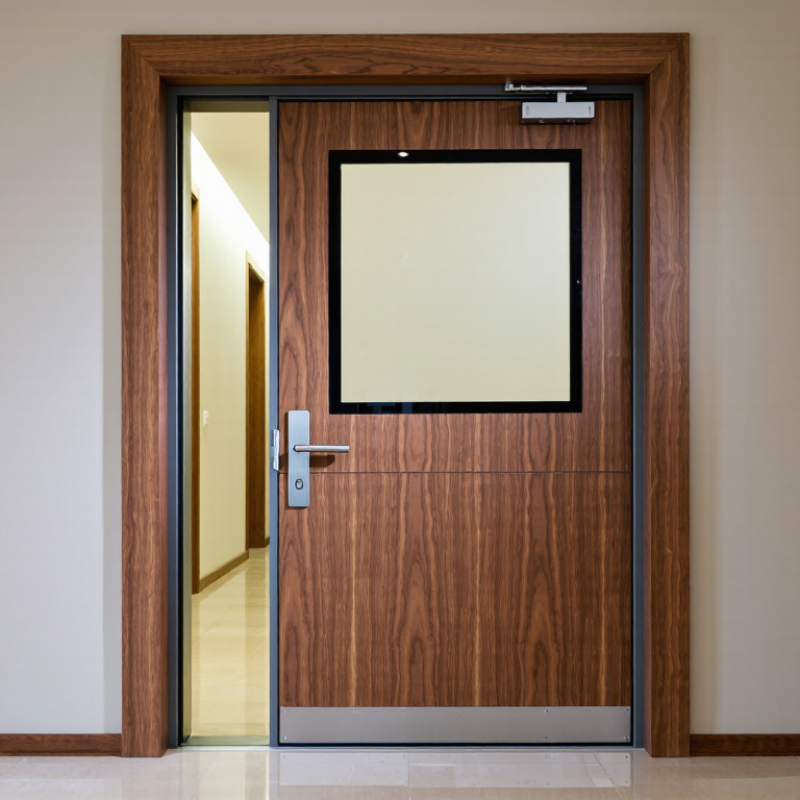
A wood grain fire door is a tested fire door with a timber-like surface, not an ordinary wooden door with decorative printing. Its core may use steel, mineral materials, or engineered timber. The face can include veneer, laminate, or a heat-resistant finish. The complete door assembly must work with its frame, hinges, closer, glazing, and approved hardware. A realistic grain pattern does not increase fire resistance by itself.
Fire performance is measured by tested time ratings commonly 20, 45, 60, 90, or 120 minutes. UL 10C and EN 1634-1 evaluate heat, flames, and hose-stream exposure under controlled conditions. NFPA 80 requires documented inspections at least annually. This matters because NFPA’s Fire Loss in the United States During 2023 reported about 1,388,500 fires and 3,670 civilian deaths. Fire doors cannot prevent every loss, but they can slow fire spread between rooms and escape routes.
In site inspections, damaged seals and wedged-open doors appear more often than buyers expect. Small gaps matter. A beautiful grain finish may hide poor installation, and that is an uncomfortable weakness in many projects. Global buyers should verify the rating label, test standard, core construction, smoke-control option, and local approval requirements before ordering. The door and frame must be treated as one tested system.
2026 Best Wood Grain Fire Door for Global Buyers?
How Wood Grain Fire Doors Achieve Fire Resistance
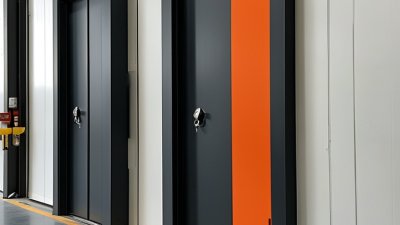
A wood grain fire door does not become fire-resistant because of its decorative surface. The protection comes from a tested door assembly. Many models use a steel or engineered timber leaf around a mineral, gypsum, or fire-rated composite core. This core slows heat transfer and helps the door remain stable. The wood grain is usually a printed, laminated, or wrapped finish. It should not be confused with untreated solid wood.
Fire-rated seals matter just as much. Intumescent strips expand when heated, closing gaps around the leaf and frame. A certified vision panel, closer, hinges, and frame must work as one system. In practical inspections, small gaps under the door often reveal poor installation. Even a strong leaf can fail when the wrong hardware is fitted. That detail is easy to overlook.
Global buyers should request third-party test reports, fire-rating duration, and evidence for the complete assembly. Relevant tests may include EN 1634-1 or UL 10C, where applicable. Requirements differ between markets, so local approval remains essential. Check the wall type, opening size, humidity exposure, and maintenance plan before ordering. A 60-minute rating is not universal proof of suitability. I would also question vague claims such as “fireproof wood.” No door is perfect. Performance depends on testing, installation, and disciplined upkeep.
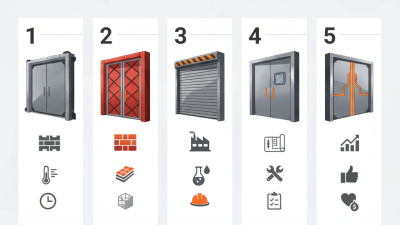
Wood grain fire doors achieve fire resistance through a tested door assembly that may include a fire-rated timber or mineral-based core, a durable wood veneer finish, fire-resistant adhesives, and intumescent seals that expand when exposed to heat. The chart shows common fire-door rating durations used in building specifications. The actual rating depends on the complete listed assembly, including the door leaf, frame, hinges, closer, glazing, seals, and installation method.
Fire-resistance ratings are commonly expressed in minutes, including 20-, 45-, 60-, 90-, and 180-minute classifications. Buyers should verify the required test standard, wall classification, hardware compatibility, smoke-control requirements, and local building regulations before selection.
A wood grain fire door should look like timber, but its protection comes from the complete tested assembly. Common constructions use a steel frame, mineral-based core, hardwood veneer, intumescent seals, and certified hinges. The core limits heat transfer, while the seal expands around the edges. A beautiful grain is not proof of protection.
NFPA’s Fire Loss in the United States During 2023 reported about 1.39 million fires and 22.3 billion dollars in direct property damage. These figures show why appearance cannot replace tested performance. Global buyers should request fire-resistance evidence for the exact door, frame, hardware, and glazing combination. European projects often reference EN 1634-1 and EN 13501-2. North American projects may require UL 10C or equivalent positive-pressure testing. Ratings commonly include 30, 60, or 90 minutes, but local codes decide the acceptable level.
Material details matter during inspection. Check veneer adhesion, core density, seal continuity, hinge reinforcement, and closer operation. A 60-minute door with a damaged bottom seal is not truly a 60-minute barrier. Certification documents should identify the test standard, rating, dimensions, and permitted hardware. That paperwork deserves careful reading.
Some suppliers describe every decorative finish as “wood grain fireproof.” That wording is too loose. Fire resistance belongs to the tested assembly, not the printed texture. Buyers should also review factory quality records and installation instructions. In practice, installation errors remain an uncomfortable weakness, even when the product itself passes testing.
2026 Best Wood Grain Fire Door for Global Buyers?
How to Evaluate Design, Performance, and Installation
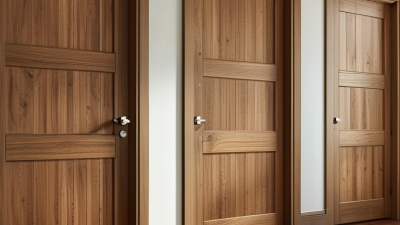
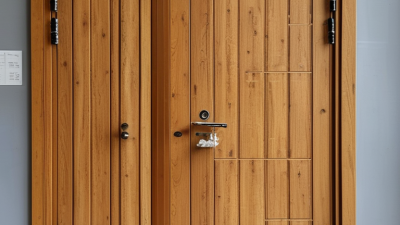
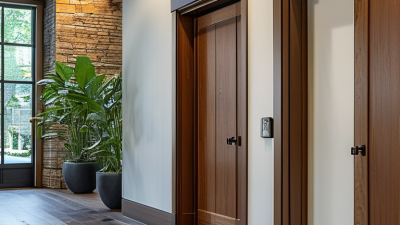
A wood grain fire door should look natural without hiding its protective function. Check the grain direction, color consistency, edge finishing, and surface resistance before approval. A sample may look excellent under showroom lighting but change beside windows. Request a full-size sample. Small samples can mislead.
Performance depends on tested construction, not appearance alone. Review the door leaf core, frame, hinges, closer, glazing, latch, and smoke seals as one assembly. Ask for current fire-test reports and certification documents from recognized authorities. Confirm the rating, temperature limits, exposure conditions, and permitted hardware. Requirements differ across markets, so local regulations must guide the final selection. Do not rely only on a supplier’s general statement. Details matter.
Installation can weaken a compliant door. Measure the opening, wall type, floor level, and required clearances before delivery. The frame should be securely fixed, evenly aligned, and compatible with the surrounding wall. Check that the door closes fully without force and that seals remain continuous. Keep adjustment records and photographs for future inspections. In real projects, rushed installation causes avoidable gaps. That is a useful warning. Even experienced teams miss small problems when schedules become tight. A second inspection after several opening cycles is sensible.
How to Choose the Best Wood Grain Fire Door in 2026
Choosing a wood grain fire door starts with verified performance, not appearance. Check the tested fire rating, smoke-control performance, and certification documents. Requirements differ between countries and building types. Confirm acceptance with the local authority or qualified fire consultant.
Inspect the door construction carefully. A dense fire-resistant core, stable frame, intumescent seals, and compatible hinges should work as one system. The wood grain surface may use decorative laminate, veneer, or a textured coating. Ask how it handles humidity, cleaning, sunlight, and daily impact. A beautiful finish means little if edges swell after one wet season. Measure the opening precisely. Small gaps can weaken smoke protection.
Hardware deserves equal attention. Closers, locks, vision panels, and automatic thresholds must match the tested assembly. Do not mix components casually. Installation records, factory labels, test reports, and maintenance instructions improve traceability for global projects. They also help when a shipment crosses several inspection points.
Avoid choosing only by price. The cheapest option may create replacement costs later. Yet the most expensive finish is not automatically safer. A practical mistake is selecting a dark grain that hides scratches during delivery checks. Review samples in daylight and inspect corners closely. If documentation is unclear, pause the order. A reliable supplier should answer technical questions directly, provide current records, and explain limitations without promising universal approval.
| Evaluation Dimension | Recommended 2026 Benchmark | Key Technical Requirements | Suitable Application | Global Buyer Guidance |
|---|---|---|---|---|
| Fire-resistance rating |
Select by code Common tested ratings include 30, 45, 60, 90 and 120 minutes, depending on the door assembly and jurisdiction. |
Confirm the complete assembly rating, including the door leaf, frame, hinges, latch, closer, glazing and seals. A fire-rated leaf alone does not prove that the entire doorset is compliant. | Apartments, hotels, offices, schools, hospitals, industrial buildings and plant rooms. | Do not choose a rating only by thickness or appearance. Match the rating to the local building code and the wall rating. |
| Applicable test standard |
Verify locally Typical reference routes include EN 1634-1, UL 10C, NFPA 252 and BS 476-22. |
Request a current test report or certification covering the exact construction, size range, hardware configuration, glazing and installation method. | Projects subject to European, North American, British or other national approval systems. | Test standards are not automatically interchangeable. The authority having jurisdiction should confirm acceptance before purchase. |
| Wood-grain finish |
Durable decorative surface Use a fire-rated decorative veneer, laminate or approved wood-grain film compatible with the tested doorset. |
Check surface adhesion, scratch resistance, color consistency, edge treatment, UV stability and cleaning resistance. The finish must not compromise the fire-tested construction. | Corridors, guest rooms, entrances, public areas and interior commercial spaces. | Ask for physical finish samples and confirm whether the grain direction, color and texture remain consistent across production batches. |
| Core construction |
Fire-tested only Common constructions use mineral, particleboard, timber or composite fire-resistant cores, depending on the tested design. |
Confirm core density, moisture resistance, screw-holding performance, compatibility with hardware and whether the core is included in the fire test report. | Standard interior doors, high-traffic commercial doors and doors requiring enhanced durability. | Do not substitute the core, stiles, rails or intumescent materials without written approval from the certification or test holder. |
| Door leaf thickness |
Project-specific Fire-rated timber doors are commonly produced in approximately 44–54 mm thickness ranges, but the tested design controls the acceptable value. |
Compare the proposed thickness with the certified assembly, hardware requirements, frame rebate and clearances. Larger thickness does not automatically mean a higher rating. | Single doors, paired doors, corridor doors and service-room doors. | Confirm finished leaf thickness after veneer, laminate, edge lipping and any protective coating are applied. |
| Smoke and intumescent seals |
Essential component Use seals specified for the tested assembly, with correct size, location and activation temperature. |
Inspect seal continuity around the frame or leaf, corner joints, gap limitations and compatibility with the door closer and latch. Smoke seals may be required separately from intumescent seals. | Escape routes, stairwells, sleeping areas, corridors and compartment boundaries. | Seals should be supplied, installed and maintained according to the approved installation instructions. |
| Hardware compatibility |
Approved hardware set Hinges, closers, locks, latches, panic hardware and hold-open devices must be suitable for the tested doorset. |
Verify fire-rated hardware documentation, fixing type, quantity, intumescent protection and maximum door mass. Electromagnetic hold-open devices normally require fire-alarm integration. | Offices, public buildings, hotels, healthcare facilities and high-occupancy premises. | A change in hardware can invalidate the tested configuration. Approve substitutions before production. |
| Glazing and vision panels |
Certified glazing only Use fire-resistant glass and glazing systems specifically covered by the door test or certification. |
Confirm glass type, maximum visible area, glazing bead, setting blocks, intumescent materials and installation orientation. | Classroom doors, office doors, corridor doors and doors requiring visibility for safety. | Standard tempered or laminated glass should not be used in a fire door unless the complete glazing arrangement is approved. |
| Acoustic performance |
Optional performance Acoustic ratings are normally reported as laboratory airborne sound insulation values, such as Rw or STC, depending on the test system. |
Request test data for the complete doorset, including seals, threshold, glazing and frame. Fire rating and acoustic rating are separate properties. | Hotel rooms, meeting rooms, apartments, offices and healthcare spaces. | Specify the required acoustic value separately instead of assuming that a fire-rated door provides sound insulation. |
| Moisture and climate suitability |
Match the environment Use moisture-resistant construction and properly sealed edges for humid or variable climates. |
Review storage conditions, installation moisture limits, edge sealing, dimensional stability and resistance to temperature or humidity changes. | Coastal regions, tropical climates, basements, kitchens and frequently cleaned interiors. | Most timber fire doors are intended for controlled interior environments unless a specific exterior or high-moisture rating is documented. |
| Door size and configuration |
Stay within tested limits Single, unequal-pair and double doors may have different certified maximum dimensions. |
Confirm maximum width, height, area, weight, leaf-to-leaf gap, undercut, frame profile and handing. Oversized doors require separate evidence. | Standard room doors, wide accessibility openings and double-door compartment entrances. | Submit a dimension schedule before ordering. Never assume that a standard certificate covers every door size. |
| Accessibility and usability |
Safety plus ease of use Provide suitable opening forces, clear widths, compliant thresholds and accessible hardware where required. |
Coordinate fire performance with accessibility rules, escape hardware, door closers, vision panels and threshold details. | Public buildings, healthcare facilities, schools, hotels and residential developments. | Local accessibility and egress requirements may limit closer force, threshold height and hardware selection. |
| Installation documentation |
Mandatory quality control Require an installation manual, maintenance instructions, product identification and traceable certification documents. |
Check frame fixing, wall type, packers, fire-rated foam or mortar, seal installation, tolerances, hardware adjustment and site inspection records. | All projects, especially regulated commercial and multi-unit residential buildings. | Correct installation is part of fire performance. Include installer training and inspection responsibilities in the purchase specification. |
| Maintenance and lifecycle |
Planned inspection Inspect doors routinely for damage, closing action, latch engagement, seal condition, gaps and unauthorized alterations. |
Replace damaged seals and hardware with approved equivalents. Keep the door self-closing and free from wedges or unapproved hold-open devices. | High-traffic buildings, rental housing, hotels, schools and healthcare facilities. | Include spare seals, compatible hardware references and a maintenance schedule in the handover documentation. |
| Procurement checklist |
Complete before order Finalize rating, standard, size, finish, core, frame, hardware, glazing, seals and installation method. |
Obtain approved drawings, test reports, certificates, samples, packing details, inspection criteria and delivery lead time. | International projects with multiple authorities, contractors and installation teams. | The best wood-grain fire door is the one whose complete tested assembly matches the project code, environment and installation conditions. |

Note: Fire-door performance depends on the complete tested doorset and its installation. Always confirm the applicable requirements with the local building authority, fire consultant or project specification before purchase.