10 Best Custom Fire Door Solutions for Maximum Safety and Style
In today's safety-conscious environment, the role of Custom Fire Door Solutions is more crucial than ever. According to the National Fire Protection Association (NFPA), fire doors can prevent the spread of fire and smoke, thus saving lives and property. In fact, properly installed fire doors can reduce the risk of fatal injuries by 50%. This statistic emphasizes the importance of selecting high-quality, custom options tailored to specific building needs.
Expert James Thornton, a leading voice in fire safety solutions, states, "Custom Fire Door Solutions not only enhance safety but also reflect the aesthetic values of modern architecture." His insights highlight a growing trend where businesses seek not only functionality but also style in their fire door selections. However, as technology advances, so does the complexity of choosing the right solution. Many decision-makers face challenges in balancing safety regulations with design preferences.
The market offers a variety of options, but it is essential to approach this selection process judiciously. With so many products available, it’s easy to overlook crucial details that affect performance and compliance. Investing time in understanding the latest standards and innovations in Custom Fire Door Solutions can lead to better outcomes. The right choice can impact safety significantly, making the decision process both critical and complex.
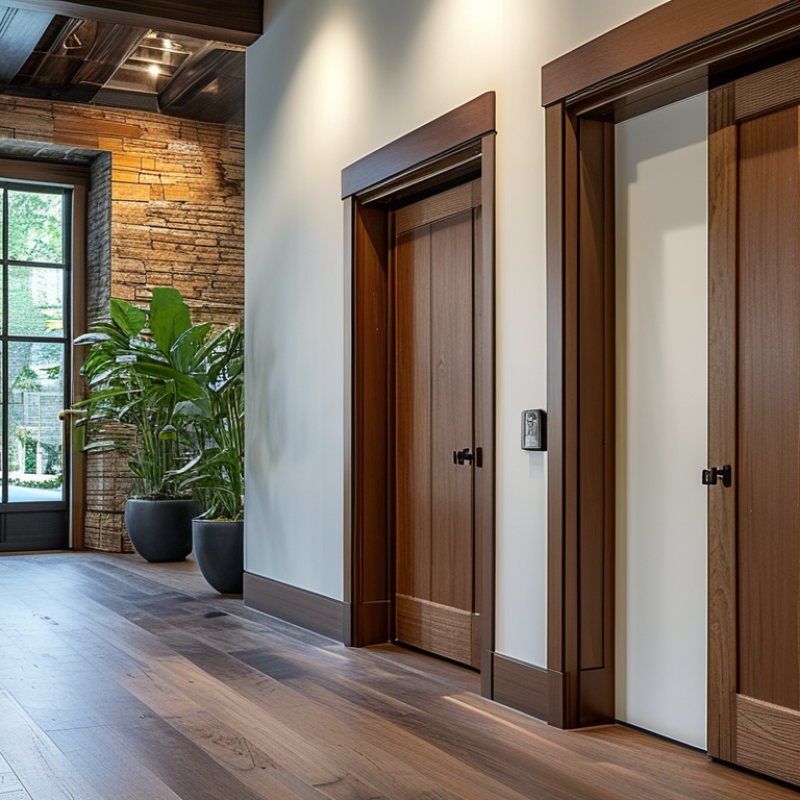
Understanding the Importance of Fire Doors in Safety and Design
Fire doors play a crucial role in enhancing safety within buildings. According to the National Fire Protection Association (NFPA), over 3,000 lives are lost each year due to fire incidents. Fire doors can significantly reduce this number by containing flames and slowing down smoke spread. They act as barriers, providing occupants precious time to escape. This life-saving potential underscores the importance of quality fire door solutions in any design strategy.
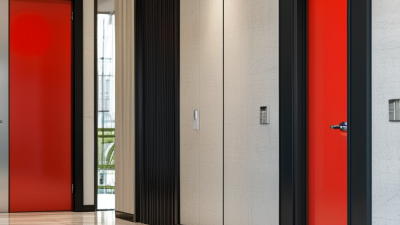
In addition to safety, fire doors offer unique design opportunities. Modern fire doors can blend seamlessly with architectural aesthetics. They are available in various materials, designs, and finishes. This allows architects and designers to maintain the visual appeal of a space without compromising safety. A report from the International Code Council highlights that 70% of building owners are now prioritizing both safety and style in their property designs.
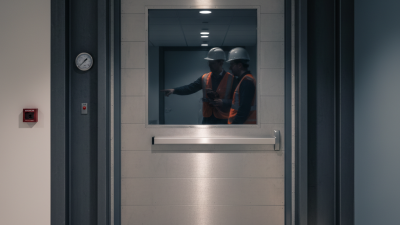
However, integrating fire doors into a space presents challenges. Not all installations meet code requirements or provide effective fire containment. Regular inspections and maintenance are essential, as neglected fire doors may fail during emergencies. This highlights the need for reliable suppliers and expert installers to achieve maximum effectiveness.
Key Features to Look for in Custom Fire Door Solutions
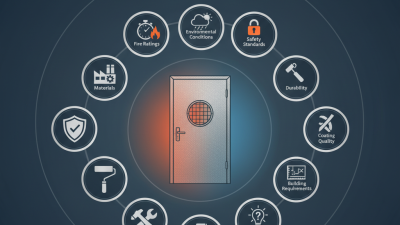
When searching for custom fire door solutions, several key features enhance both safety and style. Fire doors are essential for preventing the spread of flames and smoke. According to the National Fire Protection Association (NFPA), properly installed fire doors can reduce fire damage by 80%. It's crucial to focus on fire-resistance ratings, usually ranging from 20 to 90 minutes. This rating indicates how long the door can withstand a fire.
Another important aspect is the door material. Steel and solid wood doors typically offer better durability and resistance to extreme temperatures. In studies, steel doors showed a significant decrease in failure rates during fire testing. Customization options, such as glass panels and aesthetic finishes, can improve the visual appeal without compromising safety. A balance between functionality and style is often challenging but necessary for effective design.
Regular maintenance is also a vital consideration. Many fire doors fail due to lack of inspections and upkeep. The U.S. Fire Administration notes that roughly 25% of fire doors do not meet safety standards due to neglect. Ensuring proper maintenance can enhance functionality and compliance with fire codes. It's essential to reflect on these aspects when choosing custom fire door solutions. Decisions should always prioritize safety, while also considering design elements that complement the overall architecture.
Top Features of Custom Fire Door Solutions
Top 10 Custom Fire Door Options for Diverse Architectural Styles
When it comes to enhancing safety without sacrificing style, custom fire doors offer an array of choices. These doors serve a critical function, protecting lives and property, yet they can also elevate the aesthetic of any space. From traditional designs with intricate woodwork to sleek modern finishes, there's a diverse range to fit every architectural style.
Consider the unique needs of your environment. A rustic farmhouse might thrive with a crafted wooden fire door, showcasing natural hues and textures. In contrast, a contemporary office could benefit from a minimalist glass fire door that adds transparency and fluidity to the design. Each option not only meets safety codes but also enhances overall visual appeal.
Think about durability too. Some materials withstand heat better than others. Your fire door should not only look good but withstand time and elements. It's crucial to balance style with functionality. At times, decision-making may lack clarity as you weigh aesthetic preferences against safety standards. Reflecting on these choices can lead to better outcomes for any project.
Comparison of Fire Door Materials and Their Safety Ratings
When selecting fire door materials, safety ratings play a crucial role. Common materials include steel, wood, and fiberglass. Each has distinct benefits and limitations. According to a report by the National Institute of Standards and Technology (NIST), steel doors provide the highest fire ratings, often lasting up to 3 hours. This makes them ideal for commercial spaces requiring stringent safety measures.
Wood doors, while aesthetically pleasing, typically offer lower ratings. They generally withstand fire for only 20 to 60 minutes, according to Underwriters Laboratories (UL). This duration can be insufficient for many residential applications. Fiberglass doors present a middle ground, offering moderate fire resistance while maintaining design versatility. Their performance varies widely, often rated between 20 and 90 minutes.
Choosing the right material involves balancing safety and style. Results from a recent survey suggest that 40% of homeowners prioritize design over fire safety. This mindset can lead to potential risks. A stylish door that doesn't meet safety standards compromises protection. Fire doors should be both functional and visually appealing. It is essential to understand each material's limitations before making a decision. Ultimately, knowledge empowers better choices for safety and style.
10 Best Custom Fire Door Solutions for Maximum Safety and Style
| Fire Door Material |
Fire Rating (Minutes) |
Insulation Properties |
Cost Estimate ($) |
Aesthetic Options |
| Steel |
90 |
Excellent |
1000 - 1500 |
Various finishes |
| Wood |
60 |
Good |
700 - 1200 |
Stained, painted, textured |
| Composite |
90 |
Very Good |
800 - 1300 |
Custom patterns |
| Fiberglass |
60 |
Good |
900 - 1400 |
Smooth, various colors |
| Aluminum |
90 |
Excellent |
1200 - 1700 |
Sleek, modern finishes |
| Glass |
30 |
Fair |
1500 - 2000 |
Clear or frosted |
| Hollow Metal |
120 |
Excellent |
1100 - 1600 |
Custom designs |
| Engineered Wood |
60 |
Good |
800 - 1300 |
Natural finish options |
| Steel Stressed |
90 |
Very Good |
1200 - 1800 |
Industrial looks |
| PVC |
30 |
Poor |
500 - 800 |
Limited options |
Innovative Designs and Technologies Enhancing Fire Door Efficiency
In the realm of fire safety, innovative designs play a crucial role. Efficient fire doors are essential for containment during a blaze. According to the National Fire Protection Association (NFPA), nearly 50% of fire-related fatalities occur due to smoke inhalation. Therefore, enhancing fire door efficiency is not just a matter of style; it is vital for safety.
Current advancements include the use of intelligent fire door systems. These integrate sensors that detect smoke or heat, automatically closing doors to protect occupants. A report by Underwriters Laboratories highlighted that these systems can reduce risk by 30% compared to traditional doors. Customization options, such as glass panels or aesthetic finishes, can also promote a cohesive design without compromising functionality.
Tip: When selecting a fire door, assess both its fire rating and compliance with local codes. Ensure it meets your specific safety needs while reflecting your building’s style. Additionally, regular maintenance is often overlooked. Inspect fire doors periodically to ensure they close properly. A malfunctioning door can become a safety hazard.

 086 15318950099
 Contact Email