Best 5 Industrial Fire Rated Doors for Maximum Safety and Protection?
In today's industrial environments, safety and protection are paramount. Industrial Fire Rated Doors play a crucial role in safeguarding lives and property. These doors are designed to withstand extreme heat and prevent the spread of flames. Choosing the right fire rated doors is essential for any facility.
The effectiveness of Industrial Fire Rated Doors often depends on their rating. Ratings indicate the duration a door can contain fire and smoke. It's vital to consider door materials and construction when selecting the best options. Many industries face unique fire hazards that require tailored solutions. Unfortunately, not all doors meet strict safety standards.
It is important to reflect on past incidents where inadequate fire doors failed. Such events highlight the need for top-quality installations. Investing in the best fire rated doors can save lives. As we explore the top five options, consider how they align with your safety needs.
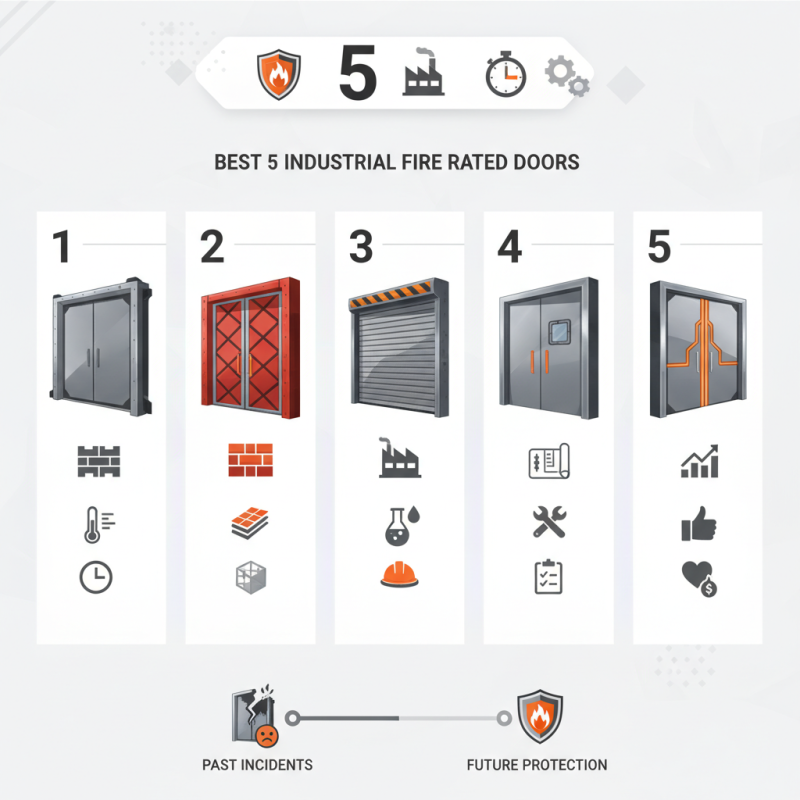
Top 5 Industrial Fire Rated Doors: Overview and Importance
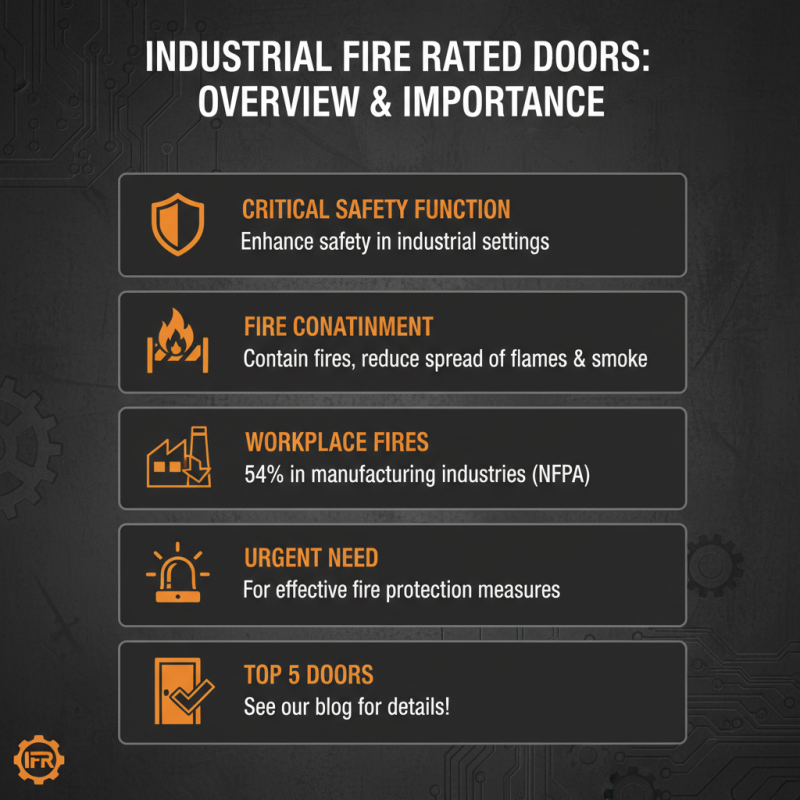
In industrial settings, fire-rated doors serve a critical function in enhancing safety. They help contain fires, reducing the spread of flames and smoke. According to the National Fire Protection Association (NFPA), about 54% of workplace fires occur in manufacturing industries. This statistic highlights the urgent need for effective fire protection measures.
Choosing the right fire-rated door can dramatically affect operational safety. For example, doors rated at 20 minutes to 3 hours can withstand fire exposure for varying periods. This resistance limit is crucial for maintaining safe evacuation routes and protecting valuable assets. Research shows that proper fire door installation can reduce damages by up to 90%, emphasizing their importance in risk management.
However, it’s not just about selecting a door. Regular inspections are necessary to ensure compliance with standards. Many organizations overlook this aspect. An alarming 30% of fire-rated doors fail inspections due to improper maintenance. This raises questions about how effectively facilities prioritize fire safety. Investing time and resources in both quality doors and ongoing maintenance can ultimately save lives and reduce financial loss in case of fire emergencies.
Key Features to Consider When Selecting Fire Rated Doors
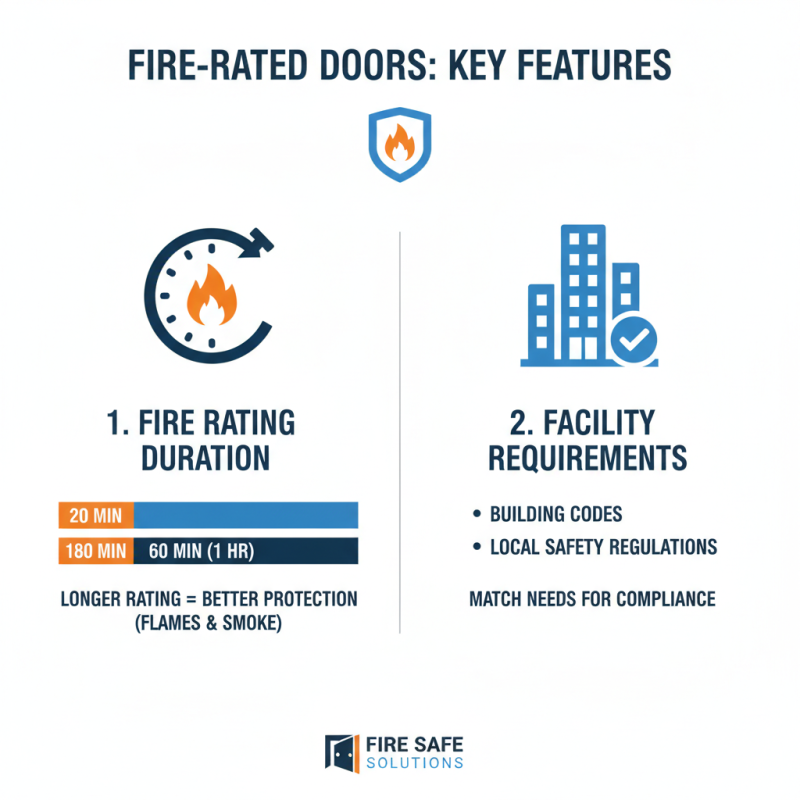
When selecting fire-rated doors, several key features must be considered. The fire rating itself is crucial. Ratings typically range from 20 minutes to 3 hours. The longer the rating, the better the protection against flames and smoke. Ensure the door meets your facility's specific fire safety requirements.
Materials also play a vital role in performance. Steel, fiberglass, or composite materials are common choices. Steel is durable and resistant to impact. Fiberglass offers corrosion resistance in harsh environments. Review the door's construction and ensure it complies with industry standards. Additionally, check for proper seals. Intumescent seals expand when exposed to heat, providing additional barrier protection.
Consider installation and maintenance factors. A poorly installed door can compromise safety. Regular inspections are essential to ensure effectiveness. Training staff on proper use and awareness of fire exits is equally important. Balancing all these aspects can improve safety and enhance protection in industrial settings.
Comparison of Fire Rated Door Materials and Ratings
When choosing industrial fire-rated doors, understanding the materials and ratings is vital. Fire-rated doors are made from various materials like steel, wood, and fiberglass. Each has unique properties affecting fire resistance, durability, and cost.
Steel doors offer excellent fire resistance and can withstand high temperatures. However, they might corrode if not properly maintained.
In contrast, wooden doors often provide aesthetic appeal but have limitations. Their fire rating depends on the thickness and type of wood. While affordable, they require regular inspections to ensure effectiveness.
Fiberglass doors present a modern solution with good insulation qualities. They resist moisture but can be more expensive.
These materials must meet stringent fire ratings, such as 30, 60, or 90 minutes. Assessing your facility's needs is crucial. Reflect on the specific risks, the layout of your space, and any local codes. Choosing the right type of fire-rated door can significantly impact safety and protection. Explore these options carefully, and ensure that your selections are backed by expert advice.
Installation Guidelines for Industrial Fire Rated Doors
Installing industrial fire-rated doors is crucial for safety in workplaces. These doors prevent the spread of fire and smoke, protecting both lives and assets. When installing, it is vital to ensure that the frames are securely anchored. This involves using appropriate mounting hardware that can withstand intense heat.
Proper alignment of the door is essential. Misalignment can lead to gaps, which compromise the door's effectiveness. Each door should be checked for a tight seal against the frame. A professional might be needed for this to ensure accuracy. Regular inspections after installation help maintain safety standards.
Awareness of local codes and standards is also necessary. Not all installations are the same. Each facility has unique requirements based on size and location. This can lead to confusion during the installation process, making it important to consult experts. Take time to analyze the best practices for your specific environment. This thoughtfulness can significantly enhance safety measures.
Best 5 Industrial Fire Rated Doors for Maximum Safety and Protection
| Model |
Fire Rating |
Material |
Size (inches) |
Installation Type |
| FD-1 |
90 Minutes |
Steel |
36 x 84 |
Swing |
| FD-2 |
120 Minutes |
Fiberglass |
42 x 96 |
Sliding |
| FD-3 |
60 Minutes |
Steel |
36 x 80 |
Double |
| FD-4 |
90 Minutes |
Wood |
32 x 80 |
Swing |
| FD-5 |
180 Minutes |
Steel |
48 x 96 |
Double |
Maintenance Tips for Ensuring Long-Term Safety and Performance
Industrial fire rated doors are crucial for safety. They act as barriers during a fire, preventing the spread of smoke and flames. Regular maintenance is essential for their long-term performance. Neglecting maintenance can lead to reduced effectiveness.
Inspect the doors frequently. Check for signs of wear and tear, such as rust or damaged seals. Ensure that hinges are functioning properly. A slight misalignment can compromise safety. Dust and debris should be cleared away regularly. This simple act can enhance performance significantly.
Document all maintenance activities. Keeping a log helps track repairs and replacements. It shows a commitment to safety and compliance. Relying solely on visual inspections may miss hidden issues. Consider hiring experts for a thorough evaluation. Their professional insight can offer a deeper understanding of potential risks. Regular maintenance is not just a recommendation; it is a necessity that reflects accountability in safety measures.
Best 5 Industrial Fire Rated Doors for Maximum Safety and Protection
This bar chart illustrates the safety ratings of the five best industrial fire rated doors. The ratings help in understanding the level of protection each door offers, crucial for making informed decisions on safety and compliance in industrial settings.

 086 15318950099
 Contact Email