2026 Top Industrial Fire Rated Doors Trends and Innovations?
In the evolving landscape of safety and security, the demand for Industrial Fire Rated Doors is surging. Recent reports indicate a projected market growth of 7.2% annually through 2026. This trend stems from stricter regulations and an increased emphasis on fire safety in industrial environments. Expert Alex Martin, a leader in fire safety solutions, states, “The right fire door can mean the difference between disaster and safety.”
Fire rated doors are crucial in protecting lives and assets. Industries are investing in innovative designs that enhance both functionality and aesthetics. Manufacturers are focusing on materials that improve fire resistance while maintaining structural integrity. Moreover, advancements in sensor technology are allowing these doors to integrate with smart safety systems.
However, the industry faces challenges. Many businesses still underestimate the importance of compliance with fire safety standards. A lack of awareness often leads to inadequate fire protection measures. Addressing these gaps is essential for improving overall safety in industrial settings. The future of Industrial Fire Rated Doors is not just about compliance. It's also about fostering a culture of safety that prioritizes both people and property.
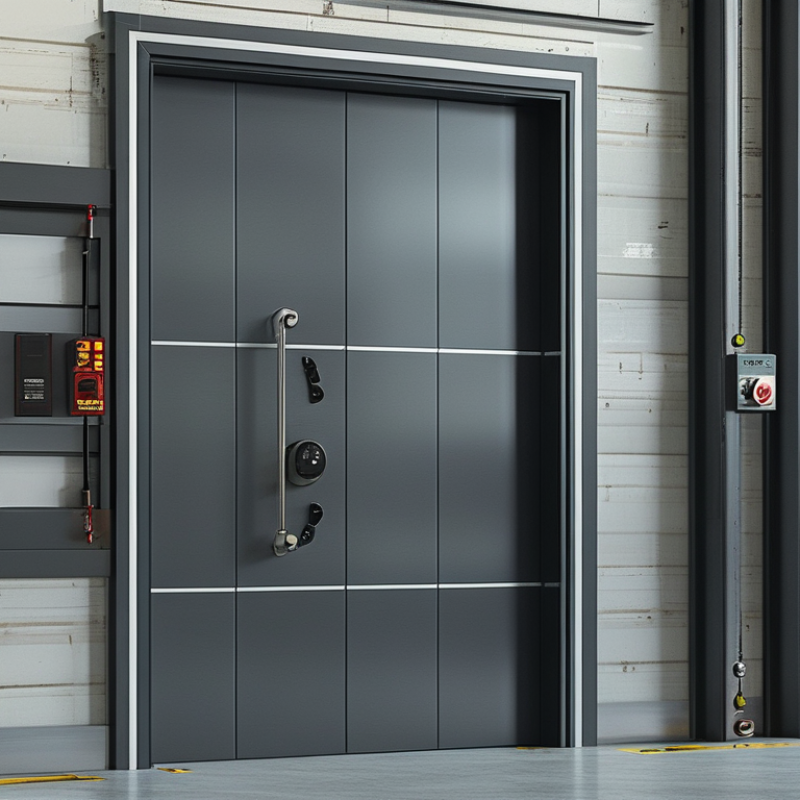
Emerging Materials in Fire Rated Door Production for 2026
As we approach 2026, the fire-rated door industry is evolving significantly. Emerging materials are leading this change, offering enhanced safety and durability. For instance, manufacturers are exploring innovative composites that blend steel with lightweight materials. This technique not only improves the strength of the door but also reduces overall weight.
Recycling and sustainability are also critical trends. New production methods are incorporating recycled materials without compromising performance. This shift addresses environmental concerns and appeals to eco-conscious consumers. However, challenges remain. Achieving a balance between sustainability and fire-resistance is complex. Testing these new materials under real-world conditions is essential for consumer trust.
Additionally, advancements in technology contribute to the evolution of fire-rated doors. Integrated smart systems that provide real-time monitoring are gaining traction. These systems alert building occupants during emergencies. While the technology is promising, concerns regarding security and potential malfunctions must be addressed. Mistakes in production or installation could lead to dire consequences. Embracing innovation while prioritizing safety remains a critical focus for the industry.
2026 Top Industrial Fire Rated Doors Trends and Innovations
| Trend/Innovation |
Description |
Emerging Material |
Expected Impact |
| Smart Fire Rated Doors |
Integration of IoT technology for enhanced monitoring and control. |
Smart sensors and AI algorithms |
Improved safety response times and efficiency. |
| Eco-friendly Fire Rated Doors |
Sustainable production processes and materials. |
Recycled steel, bamboo composites |
Reduced environmental impact and regulatory compliance. |
| Lightweight Fire Rated Doors |
Innovations to reduce door weight while maintaining safety standards. |
Composite materials, advanced ceramics |
Easier installation and lower shipping costs. |
| Enhanced Durability Features |
Technology to improve resistance against wear and tear. |
Fiber-reinforced polymers |
Longer lifespan and reduced maintenance costs. |
| Fire Rated Doors with Sound Insulation |
Dual purpose for fire resistance and soundproofing. |
Acoustic insulation materials |
Enhanced workplace comfort and productivity. |
Innovative Design Features Enhancing Fire Safety in Industrial Doors
Industrial fire-rated doors are evolving. Innovative design features aim to enhance fire safety significantly. One notable trend is the integration of advanced materials. Fire-resistant composites are increasingly used to improve performance. These materials can withstand higher temperatures. They often ensure structural integrity during a fire.
Another exciting development is automated closing mechanisms. These systems provide a reliable seal during emergencies. Sensors detect smoke or heat, triggering a swift closure. This innovation helps contain the fire, reducing spread. Additionally, some designs feature enhanced visibility options. Transparent fire-rated glass allows for better monitoring.
However, aligning these innovations with practicality remains a challenge. Manufacturers must balance safety and cost-effectiveness. The growing complexity of fire codes adds another layer of difficulty. Ensuring compliance while maintaining design flexibility is crucial. As the industry progresses, ongoing education is key for professionals to adapt. Embracing these innovations necessitates foresight into future needs and risks.
Smart Technology Integration in Fire Rated Door Systems
The integration of smart technology in fire rated door systems is redefining safety standards in industrial environments. These advanced systems use sensors and automation to monitor the door's condition, ensuring optimal performance during emergencies. Real-time alerts can inform personnel of any malfunctions or breaches. This capability transforms traditional fire doors into proactive safety measures.
Many installations struggle with maintaining traditional doors, often leading to overlooked maintenance. With smart technology, issues can be detected early. For example, a door that fails to close properly due to wear can trigger an alert. Such automation demands a shift in training for safety personnel. They must understand how to respond to these alerts effectively.
Yet, while technology offers tremendous benefits, it also poses challenges. Dependence on automated systems might lead to complacency. Regular physical checks are still crucial. Organizations must balance technology with human oversight to ensure maximum safety. This dual approach can help create a more comprehensive fire safety strategy.
Sustainability Trends Affecting Fire Rated Door Manufacturing
Sustainability is reshaping the manufacturing of fire-rated doors. Companies are increasingly focusing on eco-friendly materials and processes. This trend not only reduces environmental impact but also meets rising consumer expectations for sustainable products. Many manufacturers now explore recycled steel and composite materials, as they offer durability without compromising the planet.
Innovations in energy efficiency are also significant. Advanced insulation techniques are gaining traction, helping to minimize heat loss. Some products now integrate renewable energy sources, allowing for enhanced performance during emergencies. Despite these advancements, challenges persist. Not all manufacturers have access to sustainable raw materials, which can hinder broader implementation.
Precision in production methods remains a concern. Ensuring that eco-friendly materials meet fire safety standards requires ongoing research and development. Compliance with regulations can often conflict with sustainability goals. To address this, collaboration between manufacturers and regulatory bodies is essential. Finding a balance will determine the future landscape of fire-rated door solutions.
2026 Top Industrial Fire Rated Doors Trends and Innovations
Regulatory Changes Impacting Fire Rated Door Standards in 2026
As we approach 2026, the regulatory landscape surrounding fire-rated doors is evolving significantly. Authorities are increasingly focused on stricter safety standards to enhance public safety. According to the National Fire Protection Association (NFPA), fire-rated doors reduce the spread of flames and smoke by over 70%. Recent data indicates that compliance with updated standards will be pivotal for manufacturers and builders alike.
Additionally, innovations in materials and technologies are gaining traction. For instance, the adoption of advanced composites has been shown to improve fire resistance while reducing weight. This aligns well with the trend toward sustainable building practices. The need for energy efficiency will increasingly dictate door specifications.
Tips: Regularly review fire safety guidelines to stay compliant. Consider incorporating modern materials that enhance both safety and sustainability. Engage professionals for expert insights and assessments to ensure your fire-rated doors meet the latest standards. Remember, safety is not just about compliance; it’s about protecting lives.

 086 15318950099
 Contact Email