10 Essential Tips for Choosing Passive Fire Protection Doors?
Choosing the right Passive Fire Protection Doors is crucial for ensuring safety in buildings. These doors play an essential role in containing fire and preventing its spread. With various options available, selecting the most effective door can be overwhelming.
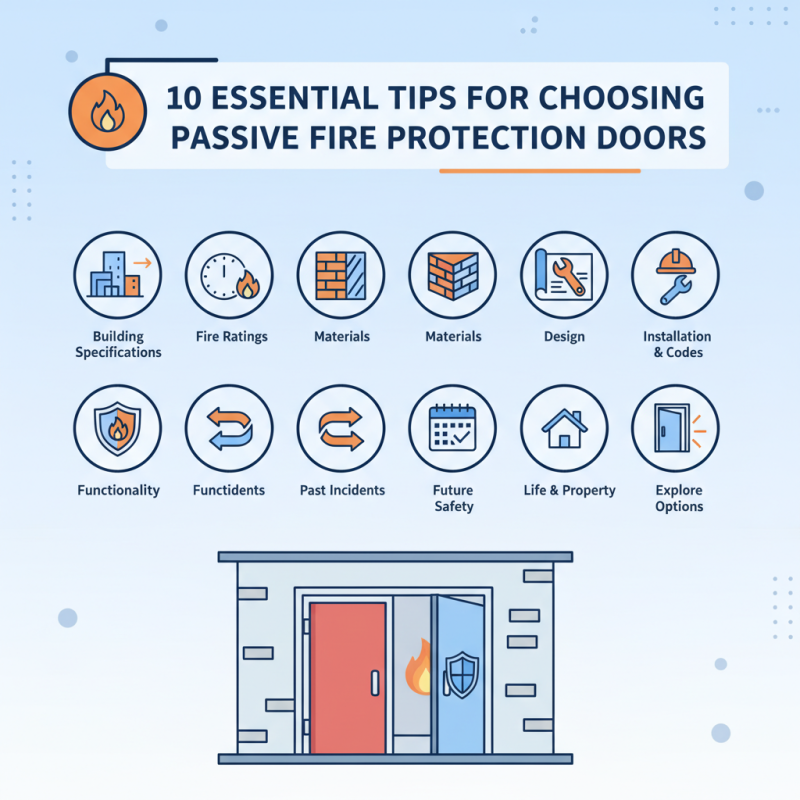
Understanding the unique specifications of your building is key. Consider factors such as fire ratings, materials, and design. Each detail matters; a door that isn’t properly rated may fail in an emergency. Additionally, installation must meet relevant codes and standards.
While some may focus solely on aesthetics, functionality should remain the priority. Reflect on past incidents in similar settings where inadequate fire protection led to severe damage. Every choice made today impacts future safety. Explore options that protect both life and property in the event of a fire.
Factors to Consider When Selecting Passive Fire Protection Doors
When selecting passive fire protection doors, several key factors demand attention. The door material plays a crucial role. Steel or solid wood options often provide better fire resistance compared to hollow-core doors. Consider the fire rating as well. Different doors can withstand fire for varying durations, ranging from 20 minutes to a few hours. It's essential to match the fire rating with the specific safety requirements of your building.
Installation is another vital consideration. Proper installation ensures the door performs effectively during a fire. Misalignment can create gaps, compromising fire integrity. Additionally, check the door's compliance with local building codes. This ensures you meet safety regulations and avoid facing penalties. The aesthetic factor shouldn’t be ignored either. A door should blend with the building design while also fulfilling its protective function.
Lastly, evaluating accessibility is necessary. Ensure the door allows for easy exit in emergencies. Many doors come with specific locking mechanisms that can hinder quick access. Neglecting this can lead to severe consequences during a fire scenario. Balancing functionality and appearance might seem challenging, yet it is crucial for overall safety. Consider these points thoroughly before finalizing your choice.
Understanding Different Fire Door Ratings and Standards
When selecting passive fire protection doors, understanding fire door ratings is crucial. Different door ratings indicate their effectiveness in resisting fire and smoke. For instance, a 60-minute fire-rated door can withstand a fire for an hour, allowing for safe evacuation. According to the National Fire Protection Association (NFPA), fire doors are essential in preventing the spread of flames and protecting lives.
Fire door standards vary by region. The Underwriters Laboratories (UL) and the American National Standards Institute (ANSI) set benchmarks for safety. UL certification ensures that the door has been rigorously tested for performance. This is vital for compliance with local building codes, which often outline specific requirements. An estimated 30% of fire doors fail to meet these standards, raising concerns about overall safety.
It’s essential to consider not just compliance but also the overall installation. Poor installation undermines even the best-rated doors. Regular maintenance and inspections can identify wear and tear that could affect performance. For example, gaps caused by misalignment can reduce effectiveness in a fire. Investing in high-quality doors and ensuring they are properly installed may ultimately save lives.
Material Choices for Passive Fire Protection Doors: Pros and Cons
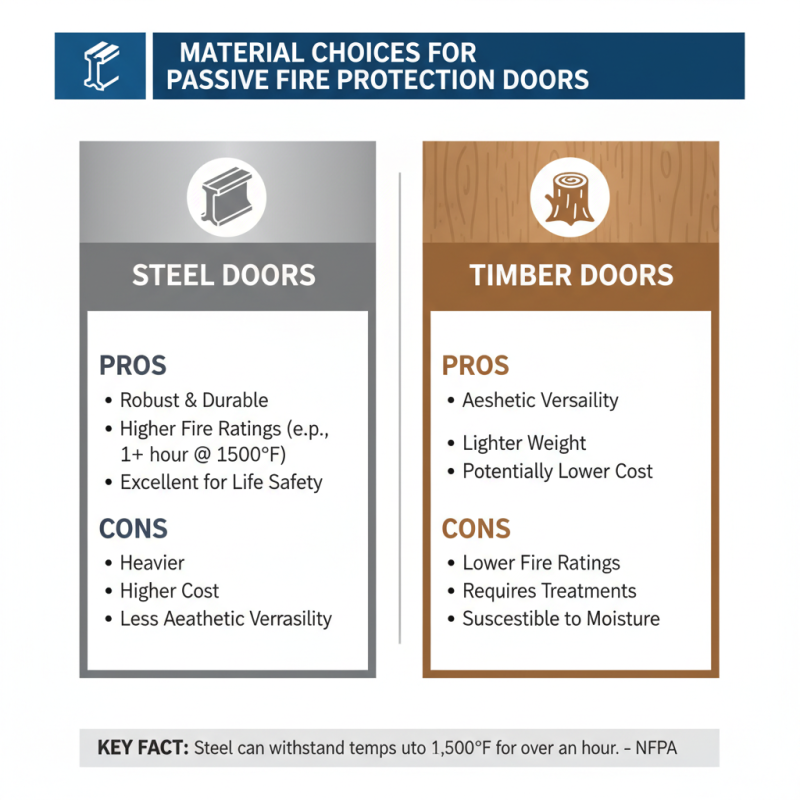
When selecting passive fire protection doors, material choices are crucial. Steel and timber are two prevalent options. Steel doors are robust and typically provide higher fire ratings. According to the National Fire Protection Association, steel can withstand temperatures up to 1,500°F for over an hour. This durability can significantly impact building safety.
Timber doors, while less heat resistant, offer aesthetic benefits. They can blend with various interior designs. However, their fire resistance ratings depend on the core materials. A report from the Door and Hardware Institute highlights that engineered wood doors can achieve good fire protection when properly tested. It's essential to understand that timber may warp or swell under high heat, which could compromise effectiveness.
Moreover, composite materials are gaining popularity. They combine elements like gypsum and steel. Composite doors offer both fire resistance and lighter weight. Yet, data from a recent fire safety symposium indicates that performance can vary based on manufacturing techniques. Each material has its pros and cons, making it imperative to evaluate specific building needs and safety standards before making a decision.
Installation Requirements and Compliance for Fire Doors
When installing passive fire protection doors, compliance with regulations is crucial. These doors must meet specific standards to ensure safety. Construction methods, fire ratings, and door hardware play vital roles. Consulting local building codes is essential before installation. A thorough understanding of these codes is necessary for proper compliance.
Installation requires precise attention to detail. Ensure the door fits snugly within its frame. Gaps can compromise the fire door's effectiveness. It’s vital to verify the door's rating with a professional. Inspect every component, including the hinges and locks. Proper maintenance also contributes to a fire door's reliability. Regular checks can reveal issues that need attention.
It’s easy to overlook minor details, yet they are critical. A seemingly small error can lead to significant safety risks. Not all contractors prioritize fire door installation properly. Engaging experienced professionals can mitigate this risk. Continuous training and education for installation teams enhance compliance. Documenting each step of the installation process adds to accountability.
10 Essential Tips for Choosing Passive Fire Protection Doors
Maintenance Tips for Ensuring the Effectiveness of Fire Doors
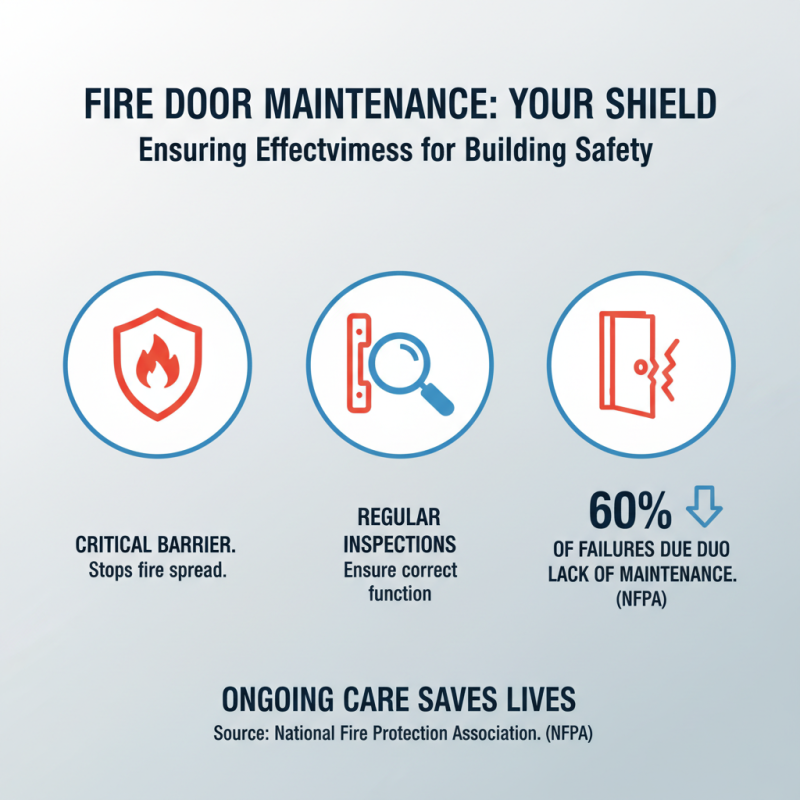
Maintaining fire doors is critical for building safety. Regular inspections ensure that these barriers function correctly during emergencies. According to the National Fire Protection Association (NFPA), about 60% of fire door failures occur due to lack of maintenance. This statistic highlights the necessity of ongoing care.
Tip 1: Inspect fire doors monthly for damage or wear. Look for gaps around the frame, cracked edges, or missing parts. Correct any issues immediately.
Regular maintenance can extend the life of these doors. Wooden fire doors, for instance, should be sealed and painted periodically. This not only preserves aesthetics, but also prevents moisture damage, ensuring the door remains functional.
Tip 2: Ensure that all hardware is in working order. Hinges, locks, and latching mechanisms must operate smoothly. A malfunction can compromise the door’s efficiency during a fire.
Fire doors should never be blocked or wedged open. Even a momentary lapse can allow smoke and flames to spread quickly. Proper training for building occupants is also vital. Educating staff about the importance of keeping these doors unobstructed can lead to a safer environment.
Tip 3: Document all inspections and maintenance activities. Keeping a log helps track compliance with safety standards. It also serves as a reference for identifying recurring issues.

 086 15318950099
 Contact Email