How to Choose the Right Passive Fire Protection Doors for Your Building?
Choosing the right Passive Fire Protection Doors for your building is crucial. These doors are designed to withstand fire, stopping its spread. They play a key role in enhancing building safety and protecting lives.
Selecting the appropriate doors involves understanding specific building needs. Different buildings have unique fire risks. This requires you to assess materials, aesthetics, and functionality. Are you considering the door's rating? Some doors provide greater resistance than others.
It’s important to consult with fire safety experts. They ensure that your choices comply with building codes and regulations. However, not every solution will perfectly fit. You may face challenges in balancing safety with design. Reflecting on these factors is essential for making informed decisions.
Understanding Passive Fire Protection and Its Importance
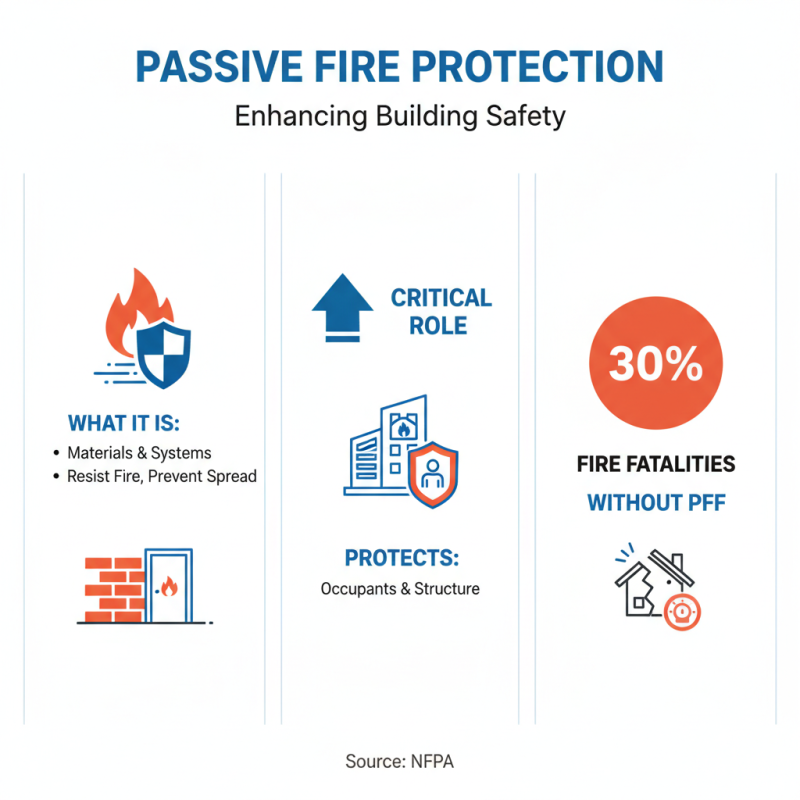
Passive fire protection (PFP) is critical for enhancing building safety. It involves using materials and systems that resist fire, prevent its spread, and protect occupants. According to the National Fire Protection Association (NFPA), about 30% of fire fatalities occur in buildings without proper fire protection measures. This statistic emphasizes the crucial role of PFP systems.
When choosing PFP doors, consider their fire rating. A door with a one-hour rating can withstand fire for 60 minutes. Data indicates that 80% of fire-related injuries happen within the first few minutes of an incident. Therefore, doors that can contain flames and smoke are vital for allowing safe evacuation. Seek doors that meet local building codes for effective protection.
Installation is another key aspect. Properly installed doors prevent smoke from spreading, which can be as dangerous as flames. A study by the Fire Protection Research Foundation found that improper installation can reduce a door's effectiveness by up to 50%. Regular inspections are essential for maintaining the integrity of PFP systems. Over time, wear and damage can compromise safety, making it necessary to review and reflect on door conditions regularly.
Types of Passive Fire Protection Doors Available
When selecting passive fire protection doors, understanding the types available is crucial. These doors differ in materials, functionality, and design. Fire-rated doors, often made of steel or wood, are tested to withstand flames for a specific duration. They play a vital role in limiting fire spread. These doors are usually found in corridors, stairwells, and between different building sections.
Another type is smoke-resistant doors. These doors prevent smoke from flowing between areas, crucial in an emergency. They may look similar to standard doors but have seals designed to block smoke effectively. Often, these seals become damaged over time, so regular inspections are necessary.
Lastly, core type doors are made from various materials for different fire resistance levels. Core type doors provide versatility in design and function. However, choosing the right core material can be challenging. It's essential to assess the building's specific needs, including traffic, aesthetics, and local regulations. Understanding these aspects can lead to more informed decisions.
Key Factors to Consider When Choosing Fire Doors
When selecting passive fire protection doors, several key factors must be considered. Fire door ratings are crucial, as they determine how long a door can withstand exposure to flames. According to the National Fire Protection Association (NFPA), a 20-minute fire-rated door is standard for many commercial buildings. Assessing the rating is essential to ensure safety at exit points and other vulnerable areas.
The material of the fire door significantly affects its performance. Steel doors offer superior protection compared to wooden alternatives, which may warp or fail when exposed to high heat. The choice of material also impacts cost and installation. A report from the Fire Protection Research Foundation states that while steel doors tend to have a higher initial cost, their longevity and durability can lead to long-term savings.
Another important consideration is compliance with local building codes. Regulations can vary widely by region, making it essential to consult guidelines specific to your area. Failure to adhere to these standards can lead to potential liabilities. While some may opt for lower-cost options, the risks associated with non-compliance can far outweigh initial savings. Taking these factors into account helps ensure that the chosen fire doors not only meet safety standards but also provide reliable protection for occupants.
Evaluating Compliance with Fire Safety Regulations
Choosing the right passive fire protection doors is crucial for safety compliance. Evaluating fire safety regulations can be daunting. Many buildings do not meet local codes. The National Fire Protection Association (NFPA) reported that 70% of fire deaths occur in homes. This highlights the importance of effective fire prevention measures.
Fire doors must meet specific standards. They should resist flames for a set duration, typically 30 to 120 minutes. A clear understanding of local regulations is vital. For instance, the International Building Code (IBC) outlines fire door ratings and installation requirements. Failing to comply can lead to penalties and increased risk. Many builders overlook these details, resulting in unsafe environments.
Regular inspections are essential for maintaining compliance. Reports indicate that 25% of fire doors are not functioning correctly. This negligence can have severe repercussions. Building owners should invest in training their staff on fire safety protocols. It ensures proper maintenance and understanding of the doors' roles in emergency situations. Addressing these issues is key to ensuring safety and compliance.
Maintenance and Inspection Guidelines for Fire Doors
When selecting passive fire protection doors, regular maintenance and inspection are vital to ensure their effectiveness. Fire doors must be maintained in optimal condition. Check hinges regularly for wear. Misaligned doors can compromise fire resistance. A door that doesn't close correctly may fail during an emergency.
Perform inspections at least twice a year. Look for visible damage, such as cracks or warping. Ensure the fire door closes firmly without gaps. The gap should not exceed 1 inch at the bottom. Additionally, ensure that all seals are intact. Damaged seals can allow smoke and flames to spread.
Training staff on proper use is crucial. Explain the importance of keeping fire doors closed. They should never be propped open. Consider using automatic closing mechanisms. Regular training helps reinforce the significance of compliance. When fire doors are neglected, their protective benefits diminish. Regular checks and staff awareness are key to maintaining safety.
Fire Door Maintenance Inspection Overview

 086 15318950099
 Contact Email