Best Fire Door Quotation Guide for Global Buyers?
Fire Door Quotation is a critical aspect for global buyers navigating the construction and safety industries. According to recent reports, fire doors play a pivotal role in building safety. In the U.S., over 60% of fire-related deaths occur in residential buildings. Proper selection and installation of fire doors can significantly mitigate such risks. Buyers must understand the technical specifications and regulations associated with these essential safety elements.
The global fire door market continues to grow, with a projected annual increase of 5.3% from 2021 to 2028. New materials and technologies enhance fire resistance, making these doors more effective. However, not all fire doors are created equal, and this disparity can complicate the Fire Door Quotation process. It’s vital for buyers to seek clarity on product standards and certifications to ensure compliance and effectiveness.
While many suppliers offer competitive pricing, cost should not be the sole criterion. Quality and performance are paramount. An insufficiently researched choice can lead to safety hazards. Buyers must strike a balance between affordability and reliability. Therefore, understanding the nuances of fire door quotations will empower buyers to make informed decisions that prioritize safety without compromising on quality.
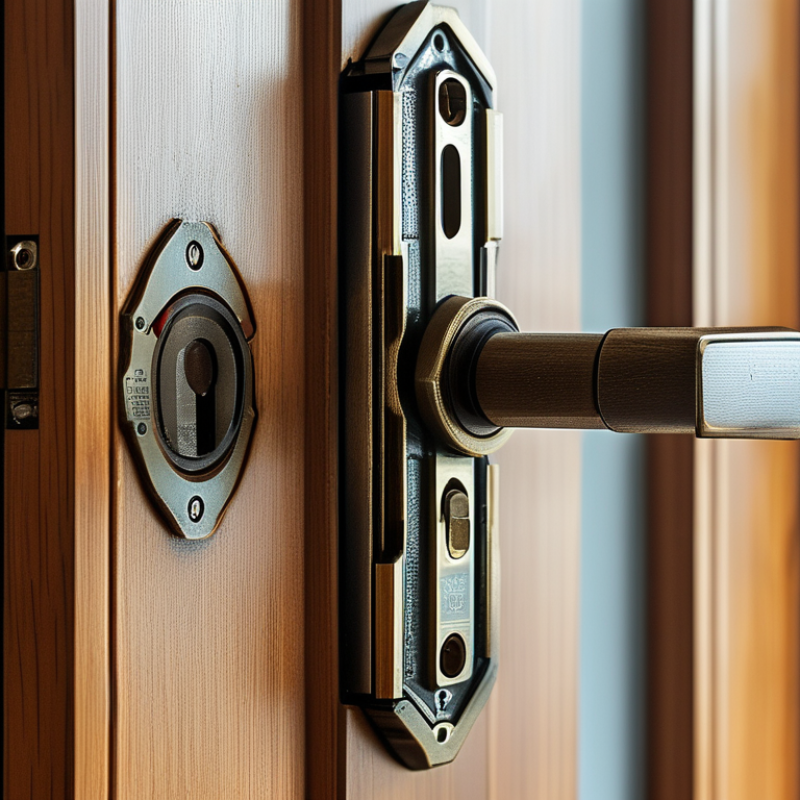
Understanding Fire Door Standards: Key Regulations and Certifications
When selecting fire doors, understanding relevant standards is crucial. Global safety regulations vary significantly. In many regions, compliance with EN 16034 or NFPA 80 is essential for approval. These standards dictate criteria such as fire resistance ratings and materials used, impacting overall safety.
The National Fire Protection Association (NFPA) states that properly rated fire doors can limit fire spread, enhancing safety in commercial spaces. Research shows that over 60% of fire-related building deaths occur in structures without adequate fire protection measures. This data underscores the importance of choosing compliant fire doors.
Tip: Always verify certification marks on fire doors before purchase. Look for labels indicating compliance with the required standards. Moreover, consider the specific needs of your facility. For example, doors in high-traffic areas may need different specifications than those in less frequented zones. Investing time in understanding these details can significantly influence safety outcomes.
Identifying the Types of Fire Doors: Materials and Applications Explained
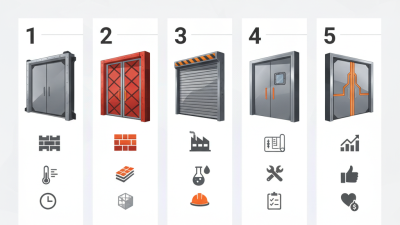
When it comes to fire doors, understanding their types and applications is crucial. Fire doors are designed to contain flames and prevent their spread. The typical materials used include steel, wood, and glass. Each material offers unique benefits and challenges. Steel doors are robust and often used in commercial buildings. They withstand high temperatures and require minimal maintenance. Wood doors, while aesthetic, may not offer the same level of fire resistance. Glass fire doors are elegant but demand careful installation to ensure safety.
In selecting the right fire door, consider the application. For instance, the door's location significantly impacts its performance. A fire door in an office setting may have different requirements compared to one in a manufacturing facility. Compliance with local fire codes is essential. The quality of the installation is often overlooked but plays a critical role. Poor installation can render even the best door ineffective. Buyers should seek professional advice when selecting and installing fire doors. Making informed decisions will enhance safety and safeguard properties from fire hazards.
Evaluating Fire Door Suppliers: Key Metrics and Quality Indicators
When evaluating fire door suppliers,
key metrics play a vital role.
The standard fire door rating is crucial.
It defines the duration a door can withstand fire.
Notably, doors with a 30-minute rating serve residential spaces.
In contrast, 60-minute rated doors are preferred for commercial buildings.
Industry data reveals that over 40% of building fire incidents occur due to inadequate fire door installation.
This statistic underscores the need for meticulous supplier evaluation.
Quality indicators are equally important.
Look for adherence to international safety standards, like those from ASTM or UL.
Suppliers should provide certifications that confirm compliance.
Additionally, assess the manufacturing process.
Factors such as materials and workmanship significantly impact durability.
A study indicated that nearly 75% of fire door failures stem from poor installation and subpar materials.
These elements must not be overlooked when sourcing suppliers.
Moreover, seek feedback from previous clients.
Their experiences provide insights into supplier reliability.
Consider testimonials and case studies.
They can reveal potential red flags.
Understanding product warranties is crucial too.
Length and coverage can reflect a supplier's confidence in their product quality.
Ultimately, making informed decisions is paramount for safety and compliance in any building project.
Cost Analysis of Fire Doors: Price Ranges and Budgeting Tips
When considering fire doors, understanding cost is critical. The price of fire doors can vary significantly based on materials, specifications, and certifications. Basic models may start around a few hundred dollars, while high-grade options can exceed several thousand dollars. It is essential to consider factors such as installation costs and compliance with local building codes.
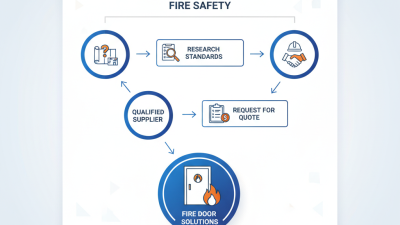
Effective budgeting involves researching various vendors and comparing quotes. Many buyers overlook installation expenses, which can add up quickly. A reliable contractor will help you assess total costs and ensure safety standards are met. Take time to evaluate the quality of different fire doors. Cheaper options may save money upfront but could cost more in the long run due to maintenance issues.
It’s crucial to reflect on your needs. Consider the environment where the doors will be installed. Industrial settings might require different specifications compared to residential areas. Inadequate planning can lead to overspending or purchasing doors that don't fit your requirements. Be cautious and detailed in your approach to find the right balance between cost and quality.
Global Market Trends for Fire Doors: Growth Projections and Insights
The fire door market is evolving rapidly. Recent insights reveal strong growth projections driven by increased awareness of fire safety. As urbanization accelerates, the need for effective fire protection measures rises. This trend particularly impacts commercial and residential sectors. Buyers are increasingly prioritizing quality and compliance with safety regulations.
Emerging markets are witnessing a significant surge in demand for fire doors. Governments are investing in infrastructure, enhancing safety standards. In regions with stringent regulations, suppliers face opportunities and challenges. Understanding local market dynamics is essential for success. However, many buyers overlook the importance of certifications and standards.
While growth is promising, buyers must navigate several uncertainties. Supply chain disruptions can impact availability and pricing. Additionally, not all manufacturers adhere to the same standards. Conducting thorough research is critical. Many misunderstanding risks and cost implications could lead to poor decisions. Staying informed can help buyers make sound investments in fire safety solutions.
Best Fire Door Quotation Guide for Global Buyers
| Region |
Market Size (2023, USD Billion) |
Projected Growth Rate (2024-2030, %) |
Key Trends |
| North America |
1.5 |
4.2 |
Growing demand for fire safety regulations compliance |
| Europe |
1.2 |
3.8 |
Increasing focus on building safety standards |
| Asia-Pacific |
1.0 |
5.5 |
Rapid urbanization and infrastructure development |
| Latin America |
0.5 |
4.0 |
Emerging demand for industrial safety solutions |
| Middle East & Africa |
0.3 |
5.0 |
Investment in fire safety infrastructure |

 086 15318950099
 Contact Email