2026 Top Fire Door Manufacturer Innovations Trends and Insights?
In recent years, the fire door manufacturing industry has witnessed remarkable transformations. According to the latest report from the National Fire Protection Association (NFPA), effective fire doors can reduce the spread of fire by up to 80%. As a result, the role of a Fire Door Manufacturer has become increasingly critical. The demand for innovative solutions that enhance safety and compliance with building codes is at an all-time high.
Emerging trends in fire door technology include the use of advanced materials and smart features. Industry leaders are investing in research and development to create doors that not only resist fire but also offer improved durability and aesthetic appeal. The 2025 report by Industry Insights indicates that the global fire door market is expected to grow at a CAGR of 6.5%, highlighting the importance of innovation in maintaining a competitive edge.
Despite these advancements, challenges persist. Many manufacturers struggle with adhering to diverse regulations across different regions. Suppliers often face difficulties with quality control. These factors can lead to inconsistencies in product performance. It is crucial for fire door manufacturers to not only innovate but also reflect on their processes to ensure reliability and trust within the industry.

Overview of the Fire Door Manufacturing Industry in 2026
The fire door manufacturing industry in 2026 is focused on innovation and safety. Advanced materials are emerging, enhancing performance against fire hazards. Manufacturers are adopting technologies like IoT for real-time monitoring of door conditions. This trend improves overall safety in commercial buildings.
Sustainable practices are gaining traction. Recycled materials are increasingly used in door production. However, there are challenges in balancing sustainability with fire safety standards. Industry professionals must frequently re-evaluate manufacturing processes to ensure compliance. Some manufacturers may struggle with this balance, leading to questions about reliability.
Market competition is driving innovation. New designs cater to various architectural styles while maintaining safety. However, not all innovations are effective. Feedback loops between manufacturers and users are essential. These conversations will identify shortcomings and foster improvements in future designs.
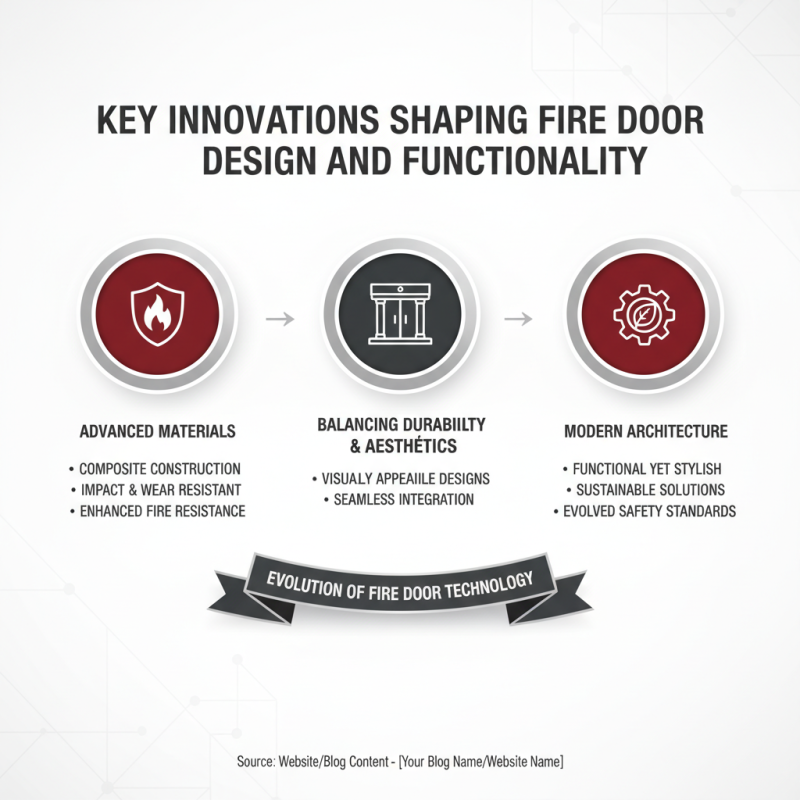
Key Innovations Shaping Fire Door Design and Functionality
The evolution of fire door design is heavily influenced by recent innovations. Advanced materials are paving the way for doors that resist not only fire but also impact and wear. Manufacturers are now focusing on composite materials that balance durability with aesthetic appeal. These doors are not only functional but also visually pleasing, allowing them to blend seamlessly into modern architecture.
Smart technology is becoming more prevalent in the fire door industry. Doors equipped with sensors can detect smoke and trigger alarms, enhancing safety. Furthermore, automated closing mechanisms ensure that doors shut quickly in emergencies, maintaining compartmentalization to limit fire spread. Despite these advancements, there are challenges in integration with existing building infrastructure. Manufacturers must address compatibility issues to ensure that new technologies can be implemented effectively.
Sustainability is also shaping fire door innovations. Eco-friendly materials are in demand, reducing the environmental impact of construction. However, achieving the right balance between safety, compliance, and sustainability remains a concern. Adapting to changing regulations while keeping costs manageable is a complex task for manufacturers. The industry must continue to innovate while reflecting on these challenges to ensure that fire doors meet both safety standards and environmental goals.
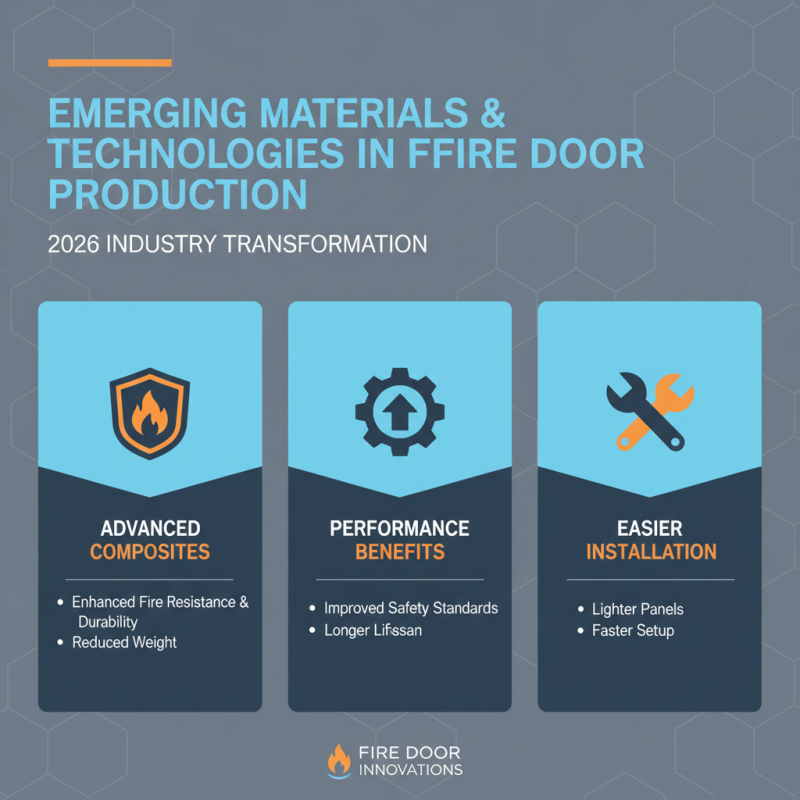
Emerging Materials and Technologies in Fire Door Production
The fire door industry is experiencing a significant transformation in 2026. Emerging materials and technologies are reshaping fire door production. For instance, advanced composites are now used for better durability and fire resistance. These materials not only enhance performance but also reduce weight, making installation easier.
Moreover, smart technology integration is gaining traction. Sensors and alarms can be embedded in fire doors to provide real-time updates during emergencies. This innovation can be life-saving, offering crucial information to first responders. However, the implementation of these technologies requires careful planning. Maintaining reliability and performance must remain a top priority.
Another area of focus is sustainability. Manufacturers are exploring eco-friendly materials that minimize environmental impact. This shift reflects a growing commitment to sustainability in construction. While progress is promising, not all sustainable options meet fire safety standards. Ongoing research is essential to address these challenges. The industry must balance innovation with safety.
Trends in Fire Door Regulations and Compliance Standards
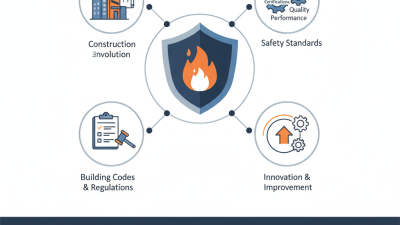
As fire safety regulations evolve, manufacturers of fire doors must adapt to maintain compliance. These regulations are not only about meeting legal standards; they also reflect a growing commitment to safety. Compliance often requires extensive testing and documentation to ensure that fire doors perform as expected during emergencies.
One noteworthy trend is the emphasis on innovative materials. Manufacturers are exploring options beyond traditional steel and wood. Some are using composite materials that offer better fire resistance and durability. This shift can enhance protection but poses challenges for manufacturers. They must ensure that new materials meet complex fire standards.
Another area of focus is the integration of technology. Smart fire doors are on the rise, featuring sensors that can detect smoke and heat. These advancements increase safety but require careful monitoring to avoid false alarms. Regulations may need to adapt to address the use of such technologies. This ongoing evolution highlights the importance of staying informed about safety standards and compliance.
2026 Fire Door Innovations Trends and Insights
Market Insights: Consumer Preferences and Demand Drivers in Fire Doors
The fire door market is evolving, driven by changing consumer preferences and safety regulations. According to a recent survey, 70% of consumers prioritize fire safety features when selecting door products. Buyers are increasingly aware of how specific materials affect safety and performance. For example, doors made from steel are noted for their durability in fire scenarios, while those with thermal insulation capabilities are gaining popularity.
Moreover, manufacturers are focusing on innovative designs that combine aesthetics with functionality. The demand for doors that meet both safety standards and design trends is rising. A report from Industry Insights indicates that 55% of architects incorporate fire doors into building designs to enhance safety while ensuring visual appeal. However, some manufacturers struggle with maintaining robustness against evolving fire safety standards. This inconsistency highlights a need for companies to improve their compliance and testing processes.
Consumer awareness also extends to the environmental impact of fire doors. Many buyers now prefer sustainable materials that contribute to energy efficiency. With this shift, about 45% of consumers are willing to pay a premium for eco-friendly fire doors. Yet, this presents challenges, as not all manufacturers can provide both safety and sustainability. The industry must adapt to meet these emerging preferences while ensuring compliance with safety standards.
2026 Top Fire Door Manufacturer Innovations Trends and Insights
| Innovation Type |
Description |
Consumer Preference (%) |
Demand Driver |
| Smart Fire Doors |
Doors equipped with sensors for alarm and monitoring. |
62% |
Increased safety awareness |
| Eco-Friendly Materials |
Fire doors made from recycled and sustainable materials. |
54% |
Sustainability concerns |
| Enhanced Aesthetics |
Fire doors with customizable designs and finishes. |
47% |
Desire for modern aesthetics |
| Lightweight Materials |
Fire doors made from new lightweight composites. |
39% |
Ease of installation |
| Advanced Fire Resistance |
Doors that exceed current fire safety standards. |
74% |
Regulatory compliance |

 086 15318950099
 Contact Email