2026 Best Fire Door BIM Models for Your Building Projects?
In recent years, the construction industry has seen a significant shift towards Building Information Modeling (BIM). One of the most crucial elements in this transformation is the use of Fire Door BIM Models. Research indicates that buildings equipped with advanced fire safety measures can reduce fire damage by up to 50%. Fire doors play an essential role in this safety framework, providing critical protection against the spread of flames and smoke.
The National Fire Protection Association (NFPA) emphasizes the importance of selecting the right fire door for each project. However, many architecture and construction professionals struggle with integrating fire door specifications effectively into their BIM workflows. This challenge can lead to inconsistencies and potential safety hazards. As we approach 2026, the demand for efficient and reliable Fire Door BIM Models continues to grow, highlighting the industry's need for better collaboration and innovation in fire safety standards.
While the use of BIM technology presents numerous benefits, it also requires careful consideration of data accuracy and model reliability. Mismatched specifications can lead to costly errors and complications. Therefore, a thorough understanding of fire door characteristics within the BIM environment is essential. Focusing on these models can enhance safety outcomes while optimizing building performance, thus responding to an evolving marketplace that demands higher safety standards.

2026 Trends in Fire Door Design and Implementation Using BIM Models
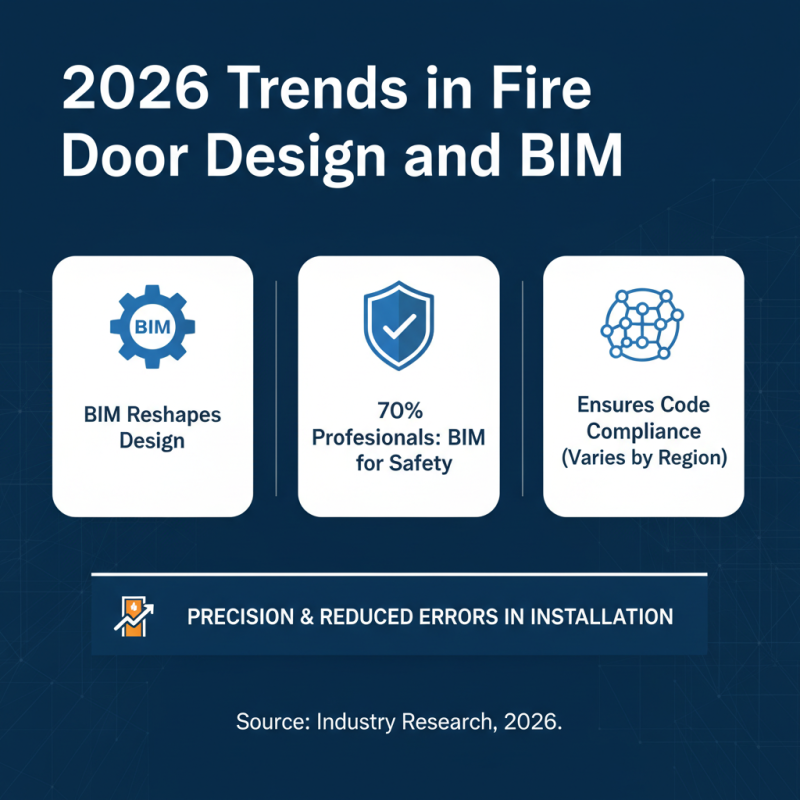
In 2026, the integration of Building Information Modeling (BIM) in fire door design is reshaping industry standards. Research indicates that 70% of construction professionals see BIM as essential for managing safety features such as fire doors. This technology allows for precise planning and reduces errors in installations. More importantly, BIM facilitates compliance with safety codes, which can vary significantly between regions.
The trend toward smart fire doors is on the rise. Recent studies show that 40% of new buildings incorporate doors equipped with IoT sensors. These sensors monitor door status and environmental conditions, enhancing safety measures. However, the adoption of these technologies faces challenges, such as the initial investment and the need for extensive training.
To achieve a truly effective fire door strategy, manufacturers and architects must collaborate closely. This collaboration can help simplify the complexities involved in integrating advanced features. According to surveys, about 25% of fire door projects experience delays mainly due to communication gaps. Bridging these gaps will not only improve workflows but also ensure that safety protocols are met efficiently.
Key Features of Fire Doors in BIM Systems for Construction Projects
In modern construction projects, fire doors play a crucial role in ensuring safety. Their integration into
Building Information Modeling (BIM) systems enhances design efficiency. According to a report by the
National Fire Protection Association, over 3,000 fire-related deaths occur annually in the U.S. Many of these
incidents could be mitigated with proper fire door installations. Effective BIM models allow architects to visualize how fire doors fit into overall layouts.
Key features of fire doors in BIM include precise specifications and clear installation guidelines. BIM enablement provides comprehensive details,
such as material properties and resistance ratings. This ensures that the selected fire door meets local building codes. Research by McKinsey
indicates that BIM can reduce project time by 20% while improving collaboration among stakeholders.
The ability to simulate fire scenarios within the model is critical for assessing the efficacy of fire doors.
However, there are challenges. Not all BIM software adequately supports fire door data management. This gap can lead to misunderstandings during the
construction phase, resulting in potential safety hazards. Additionally, many professionals are not fully trained in the complexities of fire door
specifications. Therefore, ongoing education and awareness are essential for maximizing the potential
of fire door BIM models.
Comparative Analysis of Fire Door Materials for BIM Integration
Fire door materials play a crucial role in Building Information Modeling (BIM) integration. According to industry studies, around 85% of fire door failures occur due to inappropriate material selection.
Wood, steel, and composite materials are the main options for modern fire doors. Each material has its pros and cons. Steel doors provide resilience and superior fire resistance. However, they may lack aesthetic flexibility. In contrast, wooden doors offer diverse designs but can compromise fire safety if not treated properly.
A 2022 report from the National Fire Protection Association highlights that improperly installed or selected fire doors contribute to nearly 27% of fire-related injuries in buildings. This raises questions about the adequacy of training and standards in material usage. As architects and builders integrate BIM, it's essential to ensure that the chosen materials align with fire safety codes. While BIM can enhance design efficiency, it cannot replace the need for informed decision-making regarding fire door specifications.
Another important factor in BIM integration is the lifecycle assessment of materials. A comparative analysis shows that composite doors can offer better sustainability without sacrificing fire resistance. However, they often remain underutilized due to manufacturers' lack of adequate testing data. This gap in knowledge reinforces the need for ongoing research and design iterations. Choosing the right fire door material is more than a compliance issue; it is a critical decision impacting safety and overall building performance.
Impact of Building Codes on Fire Door BIM Model Specifications
Building codes significantly influence the specifications of Fire Door BIM (Building Information Modeling) models. These regulations ensure safety and compliance, impacting design and material choices. Key data shows that over 70% of building professionals cite compliance with local codes as critical in their projects. Understanding these codes is essential for effective BIM integration.
Fire doors must meet specific fire-resistance ratings, often dictated by local jurisdictions. According to recent industry reports, nearly 60% of buildings do not fully comply with updated fire safety standards. This gap can lead to costly retrofits and safety risks. Designers must stay informed about evolving regulations to produce accurate models that satisfy both safety and aesthetic requirements.
Creating effective Fire Door BIM models requires continuous updates reflecting changing codes. Many professionals struggle to adapt to these changes promptly. A significant percentage admit to confusion regarding current regulations. This highlights the need for ongoing education and resources in the field. Proper training can minimize errors and enhance project outcomes. Engaging with industry experts will foster a better understanding of these essential requirements.
2026 Best Fire Door BIM Models for Your Building Projects
| Model Name |
Material |
Fire Rating |
Dimensions (mm) |
Compliance Standard |
| FD Model A |
Steel |
60 minutes |
2100 x 900 |
NFPA 80 |
| FD Model B |
Wood |
90 minutes |
2100 x 1000 |
IBC 2021 |
| FD Model C |
Fiberglass |
120 minutes |
2100 x 800 |
UL 10C |
| FD Model D |
Steel |
45 minutes |
2100 x 1100 |
BS 476 |
| FD Model E |
Wood |
30 minutes |
2100 x 900 |
NFPA 252 |
Best Practices for Using BIM to Optimize Fire Door Selection and Installation
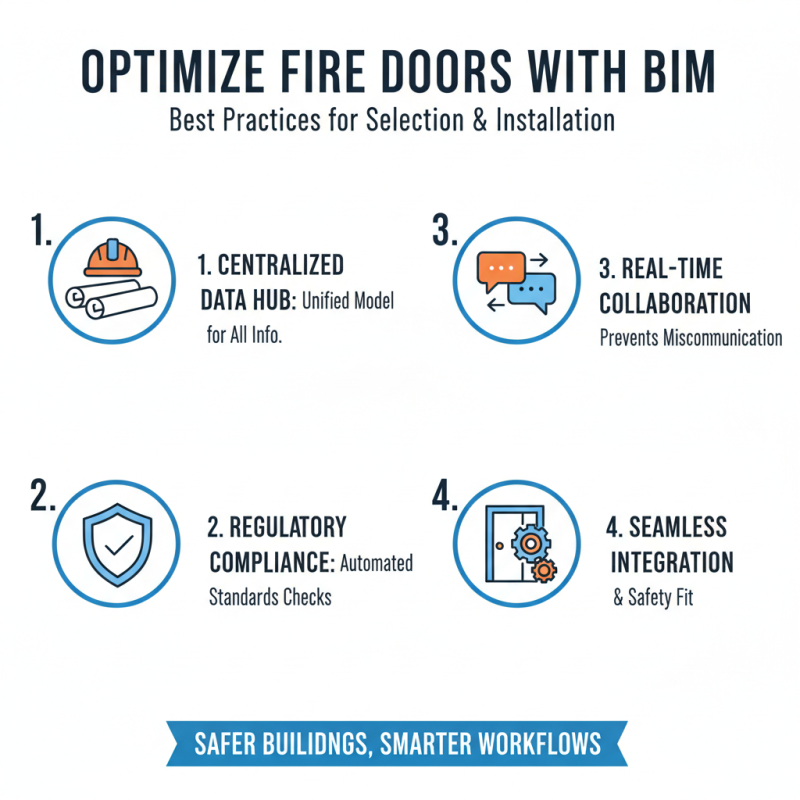
Using Building Information Modeling (BIM) effectively can greatly enhance fire door selection and installation. Fire doors are crucial for safety in any structure. Proper integration of BIM ensures that these doors meet regulatory standards while fitting seamlessly within the architectural design. Utilizing a centralized model allows for real-time collaboration among teams. This helps avoid potential miscommunications, leading to better decision-making.
When selecting fire doors, focus on accurate data input. Ensure that the fire rating, materials, and specifications are clearly defined in the BIM model. This clarity assists in visualizing how fire doors will interact with other building systems. However, relying solely on digital information can lead to oversights. Regular reviews and site inspections are essential. They can uncover issues that BIM alone might not highlight, such as space constraints or improper alignments.
Installation is another area where BIM can shine. Detailed sequencing and installation paths facilitate smoother workflows. While technology offers great promise, it requires skilled professionals to interpret the data effectively. Inexperienced teams may misapply BIM insights, causing potential setbacks. Continuous training and genuine communication among stakeholders are critical for achieving optimal results.

 086 15318950099
 Contact Email