Fire Door Price List 2026 10 Tips for Global Buyers?
Buying fire doors across borders requires more than comparing the lowest quotation. A reliable Fire Door Price List should show door size, core material, leaf thickness, frame type, hardware, fire rating, finish, and testing scope. Without these details, two prices may look comparable while describing completely different products.
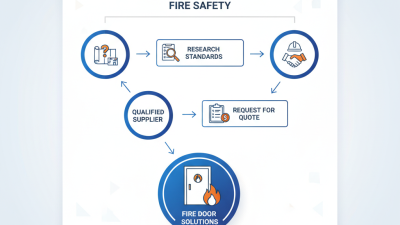
This guide introduces ten practical tips for global buyers in 2026. It focuses on supplier verification, product specifications, certification records, packaging, shipping costs, and after-sales support. Experienced purchasing teams should request test reports from recognized laboratories and confirm whether certificates match the exact door assembly. A certificate for one model may not cover another model with different glass, hinges, seals, or hardware.
Small details matter.
A factory visit, live video inspection, or sample review can reveal uneven gaps, weak welding, poor paint coverage, or damaged protective film. Buyers should also examine payment terms, production schedules, Incoterms, customs documents, and replacement procedures before placing an order. Freight rates and currency changes can quickly alter the final landed cost.
No list is perfect.
Prices may exclude installation, taxes, port charges, or local compliance work. Even experienced buyers sometimes overlook these items. That is why each quotation should be reviewed against drawings, performance requirements, and the project location. The goal is not simply to find a cheap door. It is to select a traceable, tested, and suitable product with predictable total cost and dependable support.

What a Fire Door Price List Includes in 2026
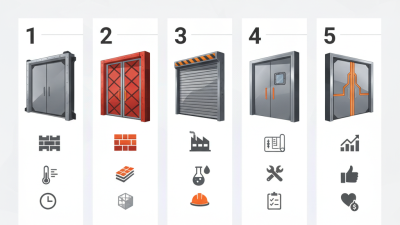
A 2026 fire door price list should be more than a single unit price. It should show the door leaf, frame, hinges, closer, lock, glazing, seals, and surface finish. Buyers need to know whether prices cover a complete doorset or only the door leaf. This difference can change the budget significantly.
The list should state fire-resistance ratings, such as 30, 60, or 90 minutes, with supporting test or certification details. It should also include standard sizes, custom-size charges, minimum order quantities, production time, packaging, and shipping terms. Currency, tax treatment, quotation validity, and payment conditions matter for international purchasing. A practical list may show prices for steel, timber, and glazed options separately. Small details often create large cost gaps.
Tip 1: Check the hardware schedule carefully. A cheaper door may exclude panic hardware, intumescent seals, or certified glazing.
Tip 2: Ask whether testing applies to the complete doorset. Door performance can change when components are replaced.
Tip 3: Compare delivered cost, not factory price. Freight, insurance, import duties, and local handling may add unexpected expenses.
I have seen buyers overlook frame depth and installation direction. That mistake is common. A price list is never perfect. Confirm every technical detail with the supplier and the project’s qualified fire-safety professionals before ordering.
Key Factors That Shape Fire Door Prices Worldwide
Fire door prices in 2026 will vary widely across regions.
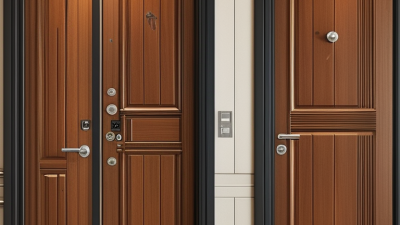
The rating is usually the first cost driver. A 30-minute door needs different construction from a 120-minute assembly. Core material, leaf thickness, glazing, and frame design also affect the quotation. A steel door may cost more initially, but it can offer stronger durability in demanding facilities. Timber options may suit offices, hotels, and residential projects.
Size changes the price quickly.
Oversized leaves, double doors, and unusual frames require more material and labor. Hardware matters too. Closers, panic devices, hinges, locks, and certified vision panels can add significant costs. Buyers should request a complete hardware schedule. An incomplete quote looks cheaper.
Certification is not a decorative document.
Ask whether test reports match the proposed door, frame, glazing, and hardware combination. Regional standards, inspection practices, and installation rules can change the final budget. Local labor rates and approved installers also influence performance. A certified door can fail in practice if gaps are excessive or seals are poorly fitted. I have seen buyers focus on the factory price and underestimate freight, import charges, storage, and site adjustments. That approach needs reconsideration. Currency changes create another risk. Request prices in a clear currency, with validity dates and replacement-part terms. Compare delivered performance, not only the unit price.
How to Compare Fire Door Specifications and Total Costs
Fire Door Price List 2026: How to Compare Specifications and Total Costs
A 2026 fire door price list should show more than the leaf and frame. Compare the tested rating, core material, glazing, hardware, seals, finish, delivery, and installation. Common ratings include 30, 60, 90, and 120 minutes, but test methods differ. EN 1634-1, EN 16034, NFPA 80, and UL 10C are not interchangeable automatically. Confirm the required standard before comparing prices.
Tip 1: Request a complete bill of materials. A low quotation may exclude closers, panic hardware, smoke seals, transport, or site adjustments.
The National Fire Protection Association reported about 1.39 million U.S. fires in 2023, with property damage near 27.2 billion dollars. That figure underlines why tested assemblies matter, not just attractive prices.
Tip 2: Compare total installed cost. Add labor, wall conditions, access equipment, inspection records, and future maintenance. A spreadsheet can still mislead.
Ask for third-party test evidence, certificate scope, maximum glass size, frame details, and permitted hardware combinations. Check whether the certificate covers the exact door configuration. It may not.
Coastal projects also need corrosion protection, while high-traffic buildings need stronger hinges and closer cycles. Buying the cheapest door can create replacement costs, delays, and failed inspections. I would leave a clear allowance for installation risk, because real openings are rarely as perfect as drawings suggest.
Practical Buying Tips for Global Fire Door Purchasers
A reliable fire door purchase starts with the building, not the price list. Confirm the required fire rating, opening size, wall type, traffic level, and local approval rules. Ask for current test reports, performance classifications, and installation instructions. Documents should match the exact door assembly, including the frame, hinges, closer, glazing, and seals. A certificate for one configuration may not cover another.
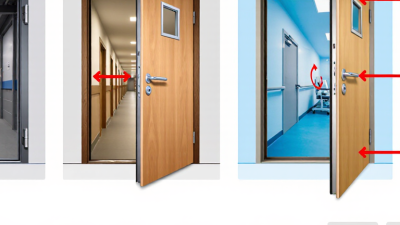
Compare ten practical details: material thickness, core construction, frame profile, smoke seals, hardware quality, finish durability, packing, lead time, payment terms, and warranty coverage. Request a sample drawing before production. Check whether the door swings correctly on site. Measure the clear opening, not only the rough opening. For overseas orders, calculate freight, customs charges, unloading equipment, and replacement parts. A low factory quote can become expensive after delivery.
Use an independent inspection when the order is large. Inspect dimensions, labels, surface damage, hardware operation, and packaging before shipment. Keep photographs and signed records. Clarify who handles damage claims and technical questions across time zones. Do not accept vague promises about compliance. Written evidence matters. I have seen buyers focus heavily on unit price and overlook installation tolerances. That mistake is easy to repeat. Leave time for local review, because a technically sound door can still fail when installed poorly.
Fire Door Price List 2026: Fire-Resistance Rating Benchmarks
Fire-door prices generally increase as the required fire-resistance period, construction complexity, glazing, hardware, certification, and shipping requirements increase. The chart compares commonly specified fire-resistance levels of 30, 60, 90, 120, and 180 minutes. Global buyers should confirm the applicable local standard, test evidence, door size, frame specification, hardware package, and installation requirements before comparing quotations.

 086 15318950099
 Contact Email