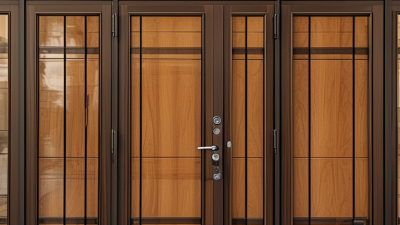
2026 Top Custom Fire Door Solutions for Global Buyers
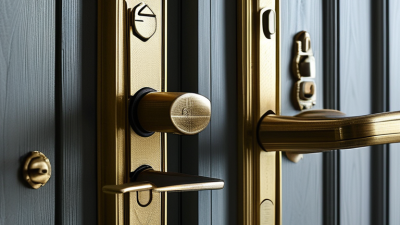
In 2026, global buyers are seeking Custom Fire Door Solutions that balance protection, design, and reliable delivery. A fire door is not merely a thick panel. Its core, frame, intumescent seals, hinges, closer, and glazing must work together under severe heat. The small black seal around the edge may expand during a fire, closing gaps that ordinary weatherstripping cannot protect.
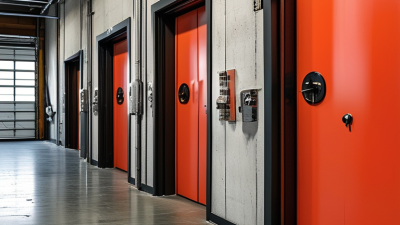
Experienced project teams begin with the building’s use, wall construction, traffic level, and required fire-resistance period. Hospitals, hotels, warehouses, and residential towers need different door configurations. A steel door may suit a loading area, while a timber veneer door may better match a hotel corridor. Dimensions, swing direction, hardware preparation, acoustic needs, and smoke-control performance should be confirmed before production.
Details matter greatly.
Reliable manufacturers provide traceable materials, controlled assembly, installation guidance, and evidence from accredited testing laboratories. However, one test report cannot automatically cover every size, glass option, hardware set, or installation condition. Requirements also vary between markets, authorities, and project specifications. Buyers should ask qualified professionals to verify applicable standards and approvals before ordering.
Some choices remain imperfect. Faster delivery can limit finishes or customization, while highly specialized designs may require longer testing and production. A practical supplier explains these trade-offs instead of promising everything at once. This guide examines the leading Custom Fire Door Solutions for global buyers, focusing on safety evidence, manufacturing experience, customization depth, lifecycle value, and dependable communication. The goal is not to select the most attractive door alone, but to identify a tested system that performs when appearance no longer matters.
Fire Door Basics: Ratings, Materials, and Global Safety Standards
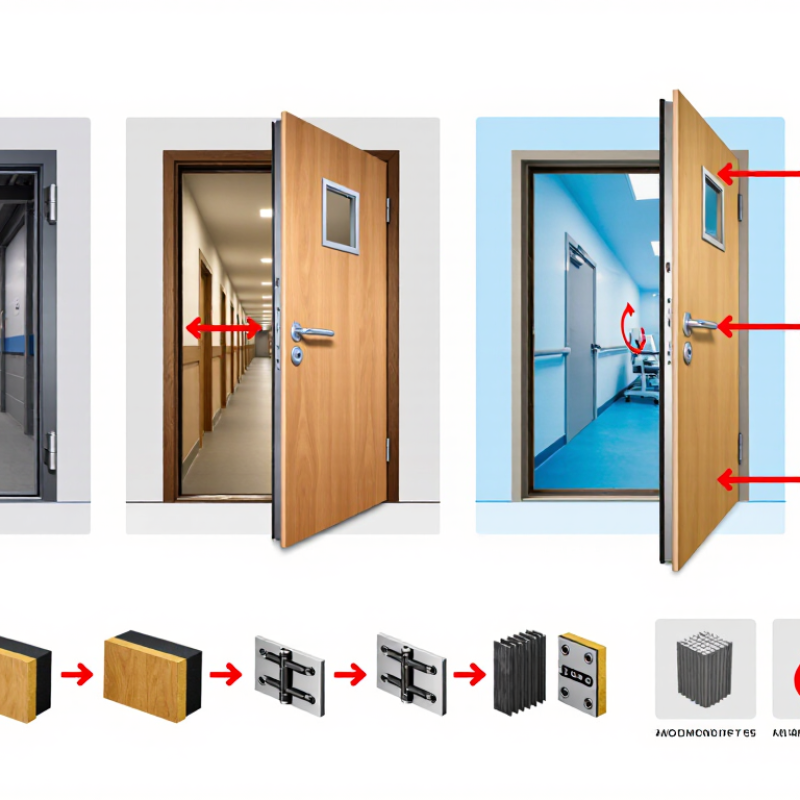
A fire door is a tested assembly, not simply a heavy door. Its rating shows how long the complete system resists fire, heat, and smoke. In North America, ratings commonly range from 20 to 180 minutes. European projects often use EI classifications under EN 13501-2, supported by EN 1634-1 fire tests. NFPA 80 also requires approved installation, hardware, clearance, inspection, and maintenance. Small gaps can compromise a strong-looking door.
Material selection affects performance. Steel doors offer durability in warehouses, hospitals, and public corridors. Timber doors can provide warmth while meeting tested fire requirements when their cores, seals, and glazing are correctly specified. Fire-rated glass needs careful assessment because insulation performance differs from integrity performance. The U.S. Fire Loss in the United States During 2023 report estimated 1,388,500 fires and 3,670 civilian fire deaths, according to NFPA. These figures show why passive protection deserves practical attention, not only paperwork.
Global buyers should request complete test evidence, compatible hardware schedules, installation instructions, and local certification requirements. A 90-minute leaf does not automatically create a 90-minute wall system. Site conditions still surprise experienced teams. Door frames may be misaligned, seals may be painted, and hold-open devices may be unsuitable. Standards vary between regions, so a technically compliant product may still need local authority approval. Perfect specifications are rare; careful verification remains essential.
How to Define Custom Fire Door Requirements for Different Buildings
Defining a custom fire door starts with the building, not a catalog. In site surveys, I examine occupancy, traffic, smoke paths, and evacuation routes. A hospital corridor needs quiet, frequent-use doors with reliable latching. A warehouse may need larger leaves, impact resistance, and equipment clearance. Apartment entries require privacy, controlled closing, and durable seals. These differences shape the door assembly, not only its appearance.
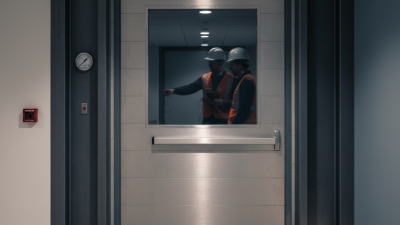
Ask how the opening will be used each day. Measure wall type, opening size, frame depth, hardware locations, and threshold conditions. Then confirm fire and smoke performance with the local authority and approved project design. Ratings, labels, glazing, vision panels, closers, and panic hardware must work as one tested assembly. A beautiful door can still fail if its frame, seals, or hardware do not match. That mistake is easy to underestimate.
For schools and offices, inspect peak traffic, accessibility needs, and noise control. For kitchens or workshops, consider heat, moisture, grease, and cleaning chemicals. Coastal projects may need corrosion-resistant materials and more frequent inspections. Specify installation tolerances, maintenance access, replacement parts, and inspection records before production. I have seen projects slow down because an uncommon hinge was chosen too late. A better process leaves room for revision. Not every custom feature deserves approval. Confirm samples, test evidence, and field conditions before the final order.
Design, Manufacturing, and Certification of Custom Fire Doors
Custom fire door solutions now demand more than a thick steel leaf and a fire-rated label. Design begins with the building risk, wall construction, opening size, traffic frequency, and accessibility needs. According to the National Fire Protection Association’s U.S. Fire Loss report for 2023, fire departments responded to approximately 1.39 million fires, with 3,670 civilian deaths reported. These figures reinforce one practical lesson: the complete door assembly matters.
Manufacturing quality depends on controlled tolerances, compatible hinges, tested closers, approved glazing, and accurate intumescent seals. A door may look robust but still fail if the frame is distorted or the clearance is excessive. It happens. Custom manufacturers should document steel grade, core composition, hardware batches, welding controls, and factory inspections. Traceability is especially important for overseas projects, where replacement parts may take weeks to arrive.
Certification must match the destination market and the actual installation. EN 1634-1, UL 10C, and NFPA 252 use different testing frameworks, so certificates should never be treated as interchangeable. Buyers should request test reports, field-of-application limits, labeling details, and installation instructions before placing an order. The CTIF World Fire Statistics reports also show substantial differences in fire risks and reporting practices between countries. That makes local code review essential. A better specification may cost more initially, yet an unclear certification path can cost far more later.
Global Sourcing: Suppliers, Testing, Pricing, and Quality Control
Global buyers need more than a low quotation when sourcing custom fire doors. They need suppliers with documented manufacturing experience, stable material control, and clear technical communication. Ask for drawings, core specifications, hardware schedules, and factory quality procedures before discussing large volumes. A reliable supplier should explain production limits honestly. That matters.
Testing must match the destination market. Request current fire-resistance reports, accredited laboratory details, and test configurations matching the proposed door assembly. A 90-minute rating may depend on leaf thickness, frame design, glazing, seals, and approved hardware. Do not accept a certificate for a different model. Check traceability, report validity, and local approval requirements with an independent professional.
Pricing should separate materials, testing, packaging, tooling, freight, and inspection costs. Compare equivalent specifications, not only unit prices. For quality control, approve a physical sample first. Inspect welds, edge clearances, hinge alignment, intumescent seals, surface finish, and label placement. During production, use batch inspections and record measurements with photographs. A pre-shipment inspection can catch warped leaves or missing hardware, but it cannot replace proper testing. My practical concern is simple: suppliers sometimes promise customization too easily. Buyers should challenge vague answers and allow time for revisions. A detailed purchase specification protects both sides, especially when several factories quote different constructions. Don’t rush approval.
Installation, Inspection, Maintenance, and Lifecycle Performance
For global buyers, a custom fire door is not complete when it leaves the factory. Installation controls the rated assembly’s real performance. NFPA reported 1,388,500 U.S. fires in 2023, causing $22.7 billion in property damage (NFPA, Fire Loss in the United States During 2023). That scale makes small fitting errors expensive. Frames must be plumb, gaps must match approved limits, and hardware must suit the tested configuration. Keep evidence on site, including labels, drawings, certificates, and installer records.
Inspection should follow a documented, risk-based schedule. NFPA 80 requires periodic inspection of fire door assemblies, including checks for damage, clearance, self-closing, latching, and unauthorized alterations. Local authorities may require more frequent reviews. A door can look new and still fail. Dust, wedged leaves, loose hinges, or a replaced vision panel can change performance. Experienced inspectors photograph defects, measure clearances, and link each finding to corrective action.
Maintenance should be planned across the lifecycle, not delayed until failure. Record every repair, component change, inspection date, and responsible person in a central register. Use compatible seals and approved hardware. Never treat field modification as harmless. ISO 834 fire-resistance testing and EN 16034 product requirements support disciplined verification, but site conditions remain decisive. A practical weakness deserves attention: buyers often specify the door carefully, then underfund inspections. That gap can erase the value of custom engineering. Review performance after occupancy, refurbishment, and heavy traffic. Reliability is maintained, not merely purchased.

 086 15318950099
 Contact Email