Top Fire Door Manufacturer Features You Should Know?
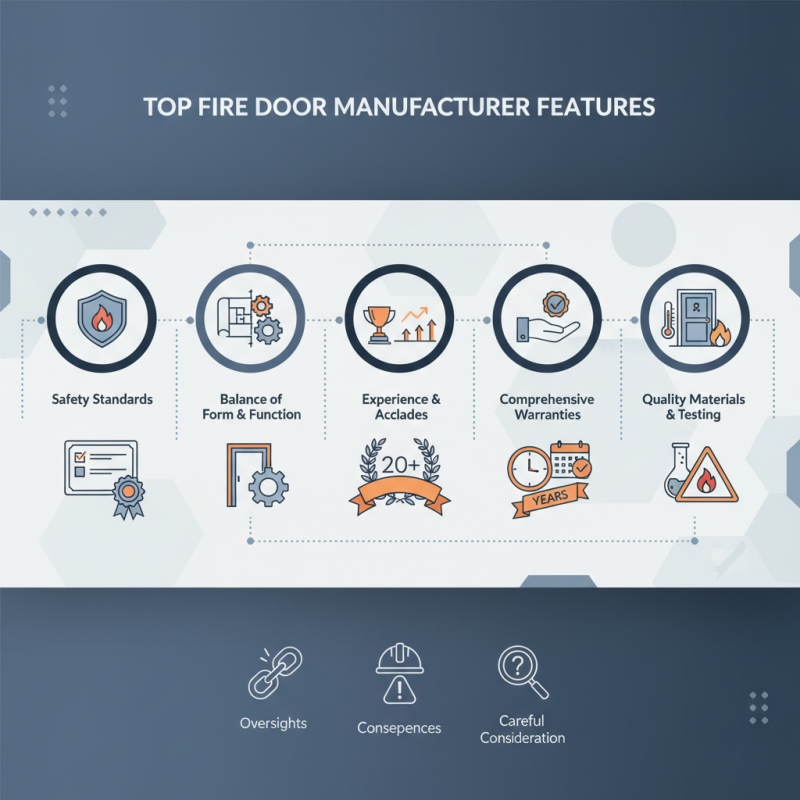
When choosing a fire door manufacturer, understanding key features is essential. Fire doors play a crucial role in safety, protecting lives and property. A reliable fire door manufacturer ensures that their products meet rigorous safety standards and have proven performance.
Not all manufacturers are the same. Some may focus on aesthetics while neglecting important safety certifications. It's vital to recognize the balance between form and function. Look for manufacturers with extensive experience and industry accolades, demonstrating their commitment to quality. Trustworthy manufacturers often offer comprehensive warranties, reflecting their confidence in product durability.
Additionally, the choice of materials is significant. A trustworthy fire door manufacturer uses high-quality materials designed to withstand extreme conditions. Ask about their testing processes and certifications. In an industry where details matter, even slight oversights can lead to serious consequences. Selecting the right manufacturer requires careful consideration and informed decisions.
Key Characteristics of Leading Fire Door Manufacturers
When selecting a fire door manufacturer, understanding key characteristics is essential. Top manufacturers focus on compliance with building codes. In fact, the National Fire Protection Association (NFPA) emphasizes that proper door assembly can significantly reduce property damage and save lives. Fire doors must be tested and certified to meet standards set forth by organizations like Underwriters Laboratories (UL).
Another critical characteristic is the use of high-quality materials. Leading manufacturers typically use steel, solid wood, or a composite that can withstand extreme heat. According to a report by the American Iron and Steel Institute, steel doors are increasingly favored due to their durability and low maintenance requirements. A fire door that is not properly constructed could fail during an emergency, leading to devastating consequences.
Furthermore, innovation in design can greatly enhance the effectiveness of fire doors. Some manufacturers now offer doors with improved thermal insulation capabilities. This not only helps contain fires but also reduces energy costs. However, not all companies prioritize this aspect equally. An analysis of industry practices reveals a gap in the adoption of advanced technology among some manufacturers. Engaging with a manufacturer that stays updated on industry trends is crucial.
Materials and Standards for Quality Fire Doors
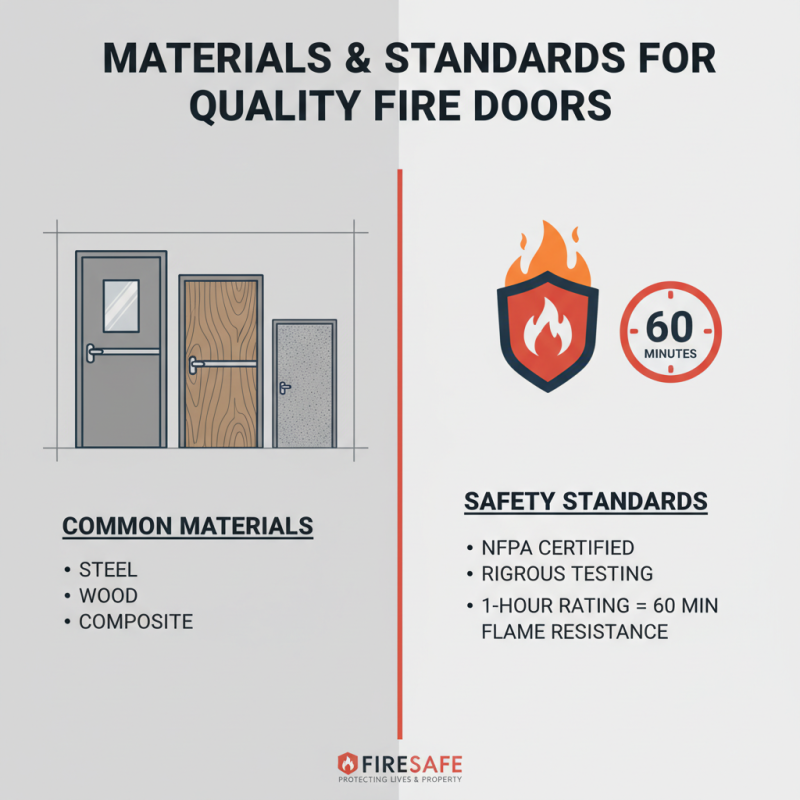
When selecting a fire door, materials and standards play a crucial role. High-quality fire doors are typically made from steel, wood, or composite materials. According to the National Fire Protection Association (NFPA), these doors must meet rigorous testing standards to ensure safety. For instance, a door with a one-hour fire rating can withstand flames for at least 60 minutes before failure.
Different regions may impose various standards, such as UL 10C or NFPA 252. These certifications indicate compliance with safety regulations. It is essential for manufacturers to adhere to these standards to ensure product reliability. By using tested materials, manufacturers can confidently assure end-users of their door’s performance during a fire emergency.
Tips: Always check for certification labels on fire doors. This ensures they meet industry safety standards. Remember, even a small defect can compromise safety. Regular inspections are vital. Monitoring wear and tear can save lives in an emergency. Make sure to consult professionals about installation practices to avoid critical mistakes.
Innovative Technology in Fire Door Production
In the world of fire door production, innovative technology plays a vital role. Advanced materials like intumescent seals and fire-resistant glass enhance safety. These features ensure that doors not only meet safety standards but also provide superior thermal insulation. High-tech testing methods help measure performance, guaranteeing that doors will function in emergencies.
Automation has changed manufacturing processes. Automated cutting and assembly increase precision and efficiency. This technology minimizes human error and reduces production time. However, there can be challenges in balancing speed with quality. Manufacturers must constantly refine their processes to maintain standards.
Sustainable practices are also emerging in production. Recycling materials and reducing waste are becoming priorities. Yet, the shift towards eco-friendly solutions can sometimes compromise structural integrity. Producers must carefully evaluate every choice, ensuring safety remains intact while embracing innovation.
Top Fire Door Manufacturer Features You Should Know
| Feature |
Description |
Benefits |
| Fire Resistance Rating |
Duration the door can withstand fire exposure. |
Increases building safety by preventing fire spread. |
| Material Quality |
Use of durable materials like steel and mineral core. |
Enhanced durability and longevity of doors. |
| Innovative Technology |
Integration of smart technologies in fire doors. |
Improved monitoring and control during fire emergencies. |
| Customization Options |
Tailored sizes, finishes, and hardware options. |
Flexibility to meet specific building requirements. |
| Certification Compliance |
Adherence to national and international fire safety standards. |
Assures quality and safety compliance for users. |
| Aesthetic Variability |
A range of designs and finishes available. |
Enhances the visual appeal of building interiors. |
Certifications and Compliance in Fire Door Manufacturing
Fire doors are critical for safety in buildings. They must adhere to strict certifications and compliance standards. Understanding these standards is essential for selecting top fire door manufacturers.
In the U.S., the National Fire Protection Association (NFPA) reports that over 3,000 structural fires annually result in fatalities. This underscores the importance of having compliant fire doors. For a fire door to be effective, it must meet standards set by organizations like Underwriters Laboratories (UL) and the American National Standards Institute (ANSI). Compliance with these standards ensures that fire doors will perform as expected during emergencies.
Tips: Always ask manufacturers about their compliance certificates. Verify the standards they claim to meet. Look for third-party testing to confirm reliability.
Not all fire doors are created equal. Some manufacturers may cut corners to reduce costs, which can compromise safety. Ensuring that fire doors come with proper certification is crucial. In 2022, a study indicated that nearly 25% of fire doors in the field did not meet compliance criteria. Regular inspections and maintenance are vital to ensure that installed fire doors remain effective throughout their lifecycle.
Top Fire Door Manufacturer Certifications and Compliance

 086 15318950099
 Contact Email