2026 How to Choose the Right Commercial Fire Doors for Your Business?
Choosing the right commercial fire doors is crucial for protecting your business assets and ensuring safety. According to the National Fire Protection Association (NFPA), fire doors prevent the spread of flames, smoke, and toxic gases. These barriers are essential in saving lives and minimizing damage during a fire incident. In fact, organizations that prioritize their fire safety strategies often report a 30% reduction in fire-related injuries and fatalities.
When selecting commercial fire doors, one must consider various factors. Fire ratings, materials, and proper installation are key. A report from the International Code Council emphasizes that improperly installed fire doors can fail to function as intended, putting lives at risk. Business owners often overlook the selection criteria, focusing merely on costs rather than safety compliance. This oversight can lead to expensive consequences during critical moments.
It’s not just about regulations; it's about responsibility. Investing in the right commercial fire doors contributes to a safer work environment. A well-informed choice can make a significant difference. However, many businesses struggle with understanding the technical specifications needed for optimal safety. This article will guide you through the process, ensuring you make an informed decision that safeguards both lives and property.
Understanding the Importance of Commercial Fire Doors in Business Safety
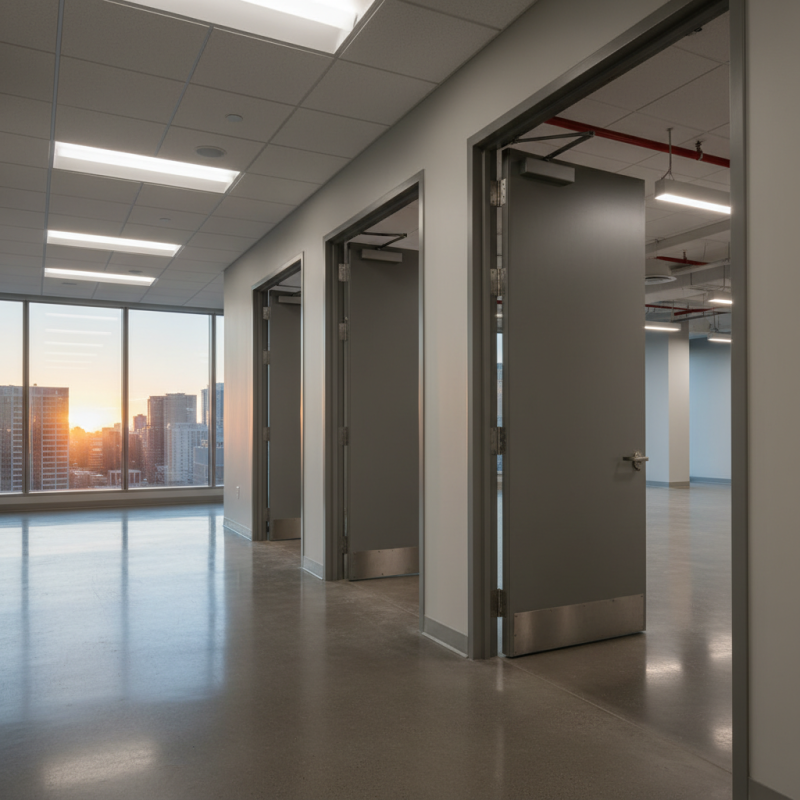
Commercial fire doors play a critical role in ensuring the safety of any business. They are specifically designed to contain fires, preventing them from spreading throughout a building. When installed properly, these doors can protect lives and valuable assets. Many businesses overlook the importance of having high-quality fire doors. This oversight can lead to devastating consequences during a fire emergency.
Understanding the technical specifications of commercial fire doors is essential. These doors must meet or exceed local safety regulations. They should be made from materials that resist fire for a specified duration. You also need to consider proper installation. An improperly fitted door can fail to restrict smoke and flames. Regular inspections and maintenance are vital as well—neglected fire doors can become ineffective over time.
Choosing the right fire doors involves evaluating the unique needs of your business. Factors such as the layout of your building and the types of materials present should influence your decision. Employee safety should always be a priority. It’s essential to train staff on how to operate fire doors correctly and understand their importance. Fire safety is a shared responsibility and requires constant attention to detail.
Key Factors to Consider When Selecting Fire Doors for Your Premises
Selecting the right commercial fire doors for your business is a critical decision. The safety of your premises depends on these choices. According to the National Fire Protection Association, about 3,000 fires occur in commercial properties annually. These numbers stress the importance of robust fire door systems.
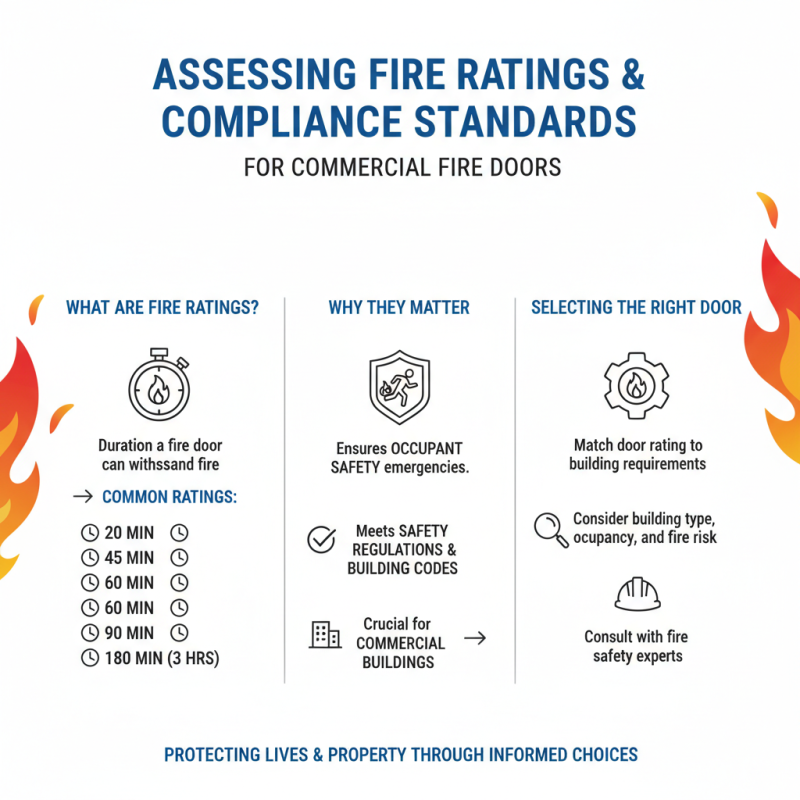
When choosing fire doors, consider materials. Steel doors offer durability. They can withstand high temperatures, reducing fire spread. On the other hand, wooden doors may look appealing but usually have lower fire ratings. A door with a minimum fire rating of 60 minutes is advisable for most commercial settings. This rating enhances safety while meeting insurance requirements.
Another factor is the door's location. Fire doors in high-risk areas, like kitchens or storage rooms, need upgraded features. For instance, self-closing mechanisms are crucial. They prevent smoke from moving between areas. Some studies suggest that improper installation can reduce fire door effectiveness by up to 50%. Training staff on fire door operation is necessary. Without proper knowledge, the best fire door may fall short in protecting your building.
Key Factors to Consider When Selecting Fire Doors for Your Premises
Types of Fire Doors and Their Applications in Various Commercial Settings
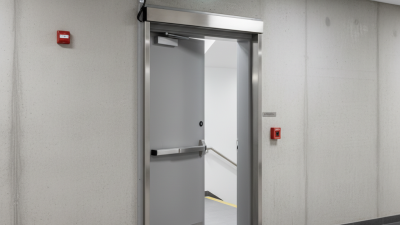
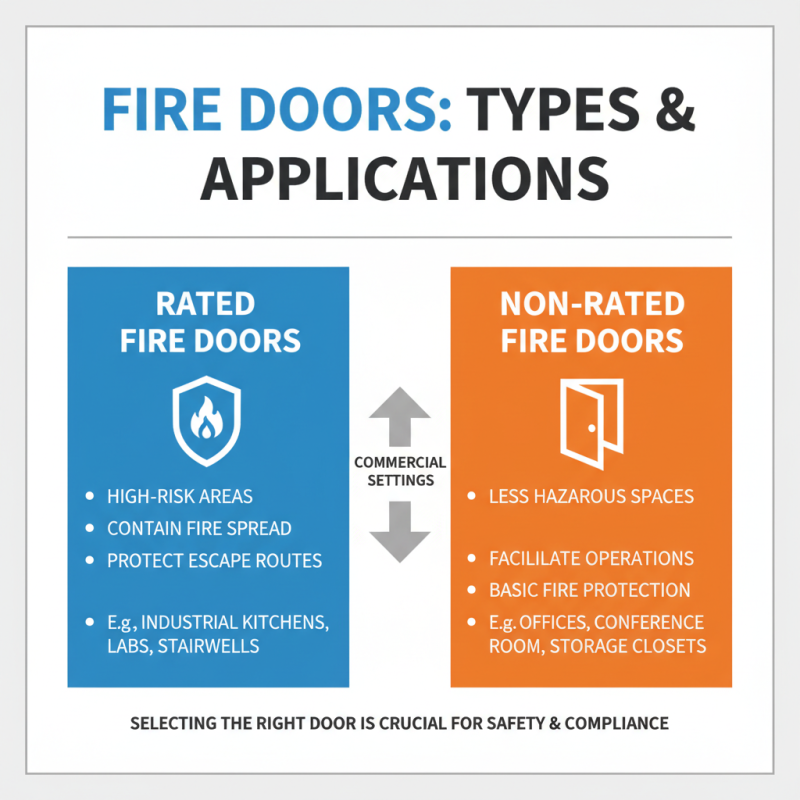
When selecting commercial fire doors, understanding their types and applications is crucial. There are several fire door classifications. Each serves unique purposes across varying commercial settings. For instance, rated doors are vital for high-risk areas. They contain fires and protect escape routes. In contrast, non-rated doors are suitable for less hazardous spaces. They help facilitate normal operations while still offering basic fire protection.
According to a report from the National Fire Protection Association (NFPA), nearly 80% of fire-related fatalities occur in commercial buildings. This highlights the need for effective fire door solutions. Steel fire doors are common in warehouses and factories. They can withstand extreme heat and offer excellent durability. Meanwhile, wooden fire doors are often found in office environments. They provide aesthetic appeal without sacrificing safety features.
The installation of fire doors is equally important. Proper sealing and maintenance play significant roles. A poorly installed door can compromise fire safety standards. Regular inspections are necessary to ensure functionality. Many businesses overlook this, resulting in unnecessary risks. Ensuring your fire doors are up to code is not just a legal requirement; it’s essential for the safety of occupants.
Best Practices for Installation and Maintenance of Commercial Fire Doors
When selecting commercial fire doors, proper installation and maintenance are essential. These doors are crucial in protecting your business from fire hazards. Ensure that all doors are installed according to the manufacturer's guidelines. This guarantees their effectiveness in an emergency. Even minor installation errors can lead to severe consequences.
Regular maintenance checks are vital for longevity. Inspect hinges, seals, and the overall condition of the doors. Scratches and dents may seem minor, but they can affect performance. Ensure that all components are functioning properly. Inadequate maintenance can result in doors that do not close completely, compromising safety.
Training your staff on the importance of fire doors is key. They should understand how to recognize issues. Create a schedule for routine inspections, perhaps monthly or quarterly. Prompt action on repairs can save lives and property. Encourage a culture of safety. Over time, this attention pays off in maintaining the integrity of your fire doors.
2026 How to Choose the Right Commercial Fire Doors for Your Business? - Best Practices for Installation and Maintenance of Commercial Fire Doors
| Criteria |
Details |
| Fire Resistance Rating |
Select according to the required time (e.g., 30, 60, 90 minutes) |
| Material |
Steel, wood, or composite materials based on durability and aesthetics |
| Size and Dimensions |
Ensure compliance with building codes and fit for the space |
| Installation Compliance |
Follow local regulations and manufacturer’s guidelines |
| Maintenance Schedule |
Regular inspections and maintenance every 6 months |
| Cost Considerations |
Budget for purchase, installation, and ongoing maintenance |
| Certification and Standards |
Ensure doors meet NFPA and UL standards for safety |

 086 15318950099
 Contact Email