2026 Top Steel Fire Door Types for Ultimate Safety and Security?
In the world of safety and security, the importance of a reliable Steel Fire Door cannot be overstated. Experts like John McAllister, a renowned fire safety consultant, emphasize, "A Steel Fire Door is often the first line of defense against fire hazards." This statement reflects a crucial truth about their role in protecting lives and property.
Steel Fire Doors are designed with both protection and resilience in mind. They provide an effective barrier against flames, smoke, and heat. Their sturdy construction ensures they withstand intense conditions longer than other materials. However, not all Steel Fire Doors are created equal; some may lack the proper certifications or features necessary for optimum performance.
As we look toward 2026, it is clear that advancements in fire door technology will continue shaping the industry. Selecting the right type can make a significant difference. While many manufacturers claim to offer the best solutions, it is essential to assess their reliability and expertise in the field. Reflecting on past choices may reveal gaps in safety that can be improved in future decisions.
Types of Steel Fire Doors for Enhanced Safety in 2026
As we move into 2026, the demand for steel fire doors is growing due to heightened safety concerns. Steel fire doors are crucial in preventing fire spread. They often integrate fire-resistant materials that withstand high temperatures. Industry reports indicate that fire doors can prevent up to 90% of heat transfer during a fire, which is vital for occupant safety and property protection.
There are several types of steel fire doors on the market. The most common include single, double, and sliding steel fire doors. Each type serves unique needs. For instance, double doors enhance accessibility in busy areas, while sliding doors conserve space. Fire-rated options usually range from 20 minutes to 3 hours of protection. The choice largely depends on building codes and occupancy types.
Design and installation matter too. Poorly fitted doors can compromise safety, leading to an ineffective barrier during emergencies. Some reports suggest that improper installation leads to a 30% increase in fire risks. Building managers must prioritize regular maintenance and inspections to ensure doors function correctly. This proactive approach can save lives and property, making it essential for modern safety strategies.
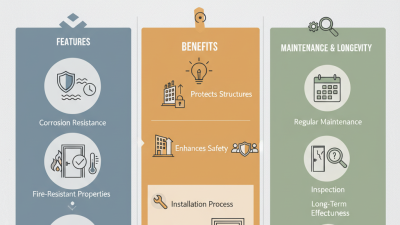
Key Features of Steel Fire Doors That Ensure Maximum Protection
Steel fire doors are a crucial component in safety and security. They are designed to withstand high temperatures and prevent fire spread. A robust construction is essential. High-quality materials enhance their resistance. Proper installation is equally important for effectiveness. Many doors feature fire ratings that indicate how long they can withstand flames.
Another key aspect is their ability to maintain structural integrity. This prevents damage to the surrounding area. Some models include impact resistance, adding another layer of protection. Their design often helps in minimizing smoke infiltration, which is vital during a fire emergency. Hardware such as hinges and locks should be robust, ensuring they function correctly during critical situations.
Regular inspections are necessary to ensure they remain functional. Over time, wear and tear can compromise their effectiveness. It’s easy to overlook door maintenance amidst other priorities. However, neglecting these checks can lead to dire consequences. Finding a reliable service for maintenance is crucial for ongoing safety. The right choice in steel fire doors can significantly impact overall safety levels in any environment.
Comparative Analysis of Fire Ratings for Different Steel Door Types
When considering steel fire doors, understanding their fire ratings is crucial for safety. Fire ratings indicate the duration a door can resist fire exposure. Common ratings include 20, 45, 60, and 90 minutes. Each rating represents the door's ability to withstand flames and heat.
Different types of steel fire doors offer varying ratings based on design and materials. For instance, a standard hollow metal door typically has a 20 to 90-minute rating. This often depends on the thickness of the steel and the insulation used. Uninsulated doors may not perform as well as insulated ones.
Even with these ratings, performance can vary due to installation and maintenance. Poorly aligned doors may allow smoke to leak through, compromising safety. Regular inspections can help identify weaknesses. This leads to a need for ongoing education on proper installation techniques and materials. Understanding these aspects not only ensures safety but also calls for reflection on how to enhance fire protection strategies.
Installation Best Practices for Steel Fire Doors to Ensure Security
When installing steel fire doors, proper practices are essential for ensuring safety and security. The frame should be level and plumb. A secure fit prevents gaps, enhancing fire resistance. Misalignment can compromise fire ratings. Focus on tight seals around the door. This minimizes smoke and heat transfer during a fire.
Tips for a successful installation: Ensure all hardware, including hinges and locks, is designed for fire doors. Follow manufacturer guidelines for placement. Properly test the swing of the door after installation. A well-functioning door should close smoothly, without sticking. Consider using intumescent strips. These expand during heat, sealing gaps effectively.
Don't overlook the importance of maintenance. Regularly check the door's condition and hardware. Wear and tear can lead to vulnerabilities. Look for any signs of damage or rust. This proactive approach can save lives. Security doesn’t end at installation; ongoing vigilance is key.
2026 Top Steel Fire Door Types for Ultimate Safety and Security
Maintenance Guidelines for Steel Fire Doors to Optimize Longevity
Steel fire doors play a crucial role in ensuring safety and security in various buildings. Regular maintenance is vital for optimizing their longevity. An estimated 70% of fire door failures occur due to inadequate upkeep, according to the National Fire Protection Association (NFPA). This statistic highlights the importance of routine inspections and maintenance procedures.
Cleaning is the first step in maintaining steel fire doors. Dust and debris can hinder their functionality. Additionally, check for any signs of wear or damage on hinges and seals. The NFPA recommends conducting these checks at least twice a year. Ensure that the door closes and latches properly; improper closures can compromise safety during emergencies.
Painting and rust prevention are also critical. Steel doors should be repainted every few years to protect against corrosion. A report from the Journal of Safety Research notes that properly maintained doors can last over 20 years. However, neglecting these tasks shortens their lifespan significantly. Regularly assess the door condition and make adjustments as needed. These actions not only enhance safety but also reflect a commitment to continuous improvement in facility management practices.

 086 15318950099
 Contact Email