Top 10 Fire Door Project Suppliers You Can Trust?
In the construction industry, selecting a reliable Fire Door Project Supplier is crucial. Fire doors play a significant role in safety. They prevent the spread of fire and smoke, protecting both lives and property. Companies must ensure they partner with trustworthy suppliers.
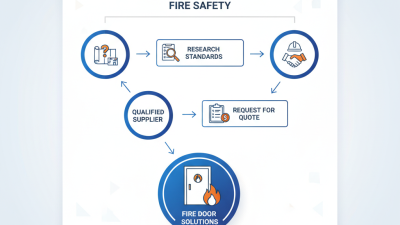
However, the decision is not always straightforward. Some suppliers might lack the necessary certification or experience. Others may not offer high-quality products or reliable service. Researching suppliers helps mitigate these risks. Obtain past project references and understand their expertise.
Every Fire Door Project Supplier should meet certain standards. Look for proven track records in fire safety compliance. The right supplier will also offer support during installation. Making an informed choice can be challenging, but it is essential for your project's success.
Understanding Fire Door Projects and Their Importance
Fire door projects play a crucial role in enhancing safety in buildings. They are designed to contain fires and smoke, acting as barriers that protect occupants and property. According to the National Fire Protection Association, around 30% of fires spread through open doors. Thus, reliable fire door systems can significantly reduce damage and save lives.
Testing and certification are vital in ensuring fire doors meet safety standards. Inadequate installation or poor materials can lead to catastrophic failures. A report from Underwriters Laboratories indicates that improperly installed fire doors fail in 75% of fire scenarios. This statistic underscores the need for professional suppliers who understand these critical elements.
Tips for selecting the right fire door supplier: Look for companies that provide comprehensive installation training. Check for certifications from recognized safety organizations. Ensure they offer ongoing support to address any issues with your fire doors.
Remember, the choice of materials matters. Steel doors provide more durability against fires compared to wooden doors. The thickness and fire rating should match your building's specific needs. Always conduct regular inspections to ensure fire doors function properly. Recognizing the importance of these measures can enhance safety in any environment.
Top 10 Fire Door Project Suppliers - Performance Overview
Key Criteria for Selecting Trustworthy Fire Door Suppliers
When selecting fire door suppliers, there are key criteria to consider for reliability and trust. A supplier’s experience can significantly impact quality. According to industry reports, suppliers with over ten years in business tend to have better processes. They understand compliance with safety standards, which greatly reduces risks.
Another crucial factor is the diversity of product offerings. A comprehensive range suggests the supplier is knowledgeable about the market. This is important because fire doors come in various specifications, each suited for different environments. Reports indicate that 70% of buyers prefer suppliers who provide detailed documentation on fire door certifications and compliance.
Moreover, customer support and response time are essential. Suppliers that prioritize communication often build strong relationships. Feedback from businesses reveals that timely support increases satisfaction significantly. Nevertheless, some suppliers may not be transparent about their sourcing. It is necessary to ask about their manufacturers and production practices to ensure ethical standards. The fire door industry must reflect on improving transparency and reliability to better serve its clients.
Top 10 Fire Door Project Suppliers You Can Trust
| Supplier Location |
Years in Business |
Industry Certifications |
Customer Satisfaction Rating |
Delivery Timeframe |
| New York, USA |
15 years |
UL, FM |
4.8/5 |
2 weeks |
| Los Angeles, USA |
10 years |
ISO 9001 |
4.6/5 |
3 weeks |
| Chicago, USA |
7 years |
BIFMA |
4.7/5 |
1 month |
| Houston, USA |
12 years |
ASTM |
4.9/5 |
3 weeks |
| Boston, USA |
20 years |
LEED |
4.8/5 |
2 weeks |
| San Francisco, USA |
9 years |
NFPA |
4.5/5 |
1 month |
| Seattle, USA |
11 years |
ANSI |
4.7/5 |
2-3 weeks |
| Miami, USA |
14 years |
FireSafe |
4.6/5 |
3 weeks |
| Phoenix, USA |
6 years |
CE |
4.4/5 |
1 month |
| Atlanta, USA |
8 years |
FEMA |
4.5/5 |
2 weeks |
Top 10 Fire Door Project Suppliers with Strong Industry Reputation
When selecting fire door project suppliers, reputation matters. The industry recognizes that a supplier's experience can significantly impact project success. According to a recent report, 78% of construction projects benefit from suppliers with proven track records. These companies often have robust quality assurance processes and comprehensive certifications, which build trust.
Another critical factor is the supplier's knowledge of fire safety regulations. Recent studies indicate that 62% of construction failures relate to non-compliance with safety standards. Reliable suppliers not only understand the codes but also help clients navigate them. Collaboration with such vendors improves overall project outcomes.
Moreover, the durability and performance of fire doors play a pivotal role in building safety. Data from industry reviews show that well-crafted fire doors can survive intense heat for over 30 minutes. This resilience is essential in emergency scenarios. However, not all suppliers maintain strict quality control. Some may use cost-cutting measures that compromise safety. Therefore, engaging with suppliers who prioritize quality is crucial in ensuring safety and compliance.
Comparative Analysis of Product Offerings from Leading Suppliers
When selecting fire door suppliers, it's essential to compare their product offerings. Look for features like certification, durability, and design options. Not all suppliers provide the same level of quality, so understanding their strengths is crucial.
Some suppliers may specialize in commercial solutions. They focus on heavy-duty doors suited for high traffic areas. Others might offer more aesthetic options for residential use, balancing safety and style. Not every supplier may meet the highest standards, and it’s vital to research their reputations through customer reviews and industry ratings.
Tips: Always confirm the fire ratings of the doors. Ensure they comply with local building codes. Consider warranties and after-sales support. A reliable supplier should offer guidance throughout the installation process. This adds an extra layer of assurance to your purchase.
In your search, examine the range of materials used. Wood, steel, and fiberglass each have unique benefits. Understand their performance in various environments. Choices can influence overall safety and effectiveness in fire protection.
Best Practices for Collaborating with Fire Door Suppliers
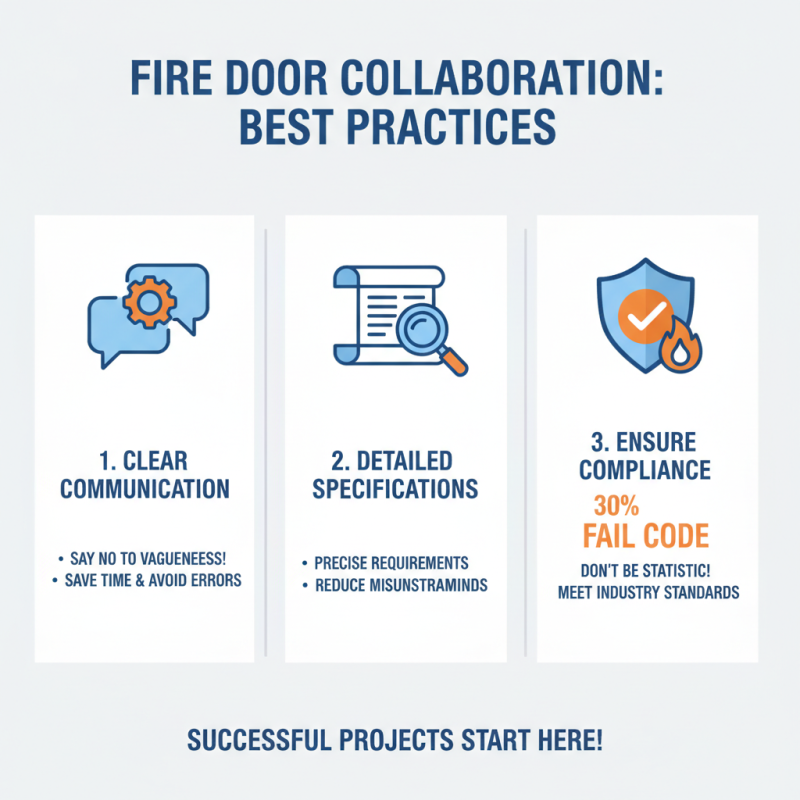
When collaborating with fire door suppliers, effective communication is key. Clear specifications save time and reduce misunderstandings. Many projects fail due to vague requirements. According to industry standards, about 30% of fire door installations do not meet code requirements. This underscores the importance of detailed discussions to ensure compliance.
Trustworthy suppliers prioritize fire door performance, certification, and reliability. It's essential to verify their credentials and experience in the industry. Look for suppliers that adhere to national safety standards. Miscommunication can lead to delays and safety hazards. Regular site visits and inspections help maintain quality control. In fact, consistent engagement can prevent 25% of common installation issues.
Building a long-term relationship fosters better service and support. A partnership can enhance problem-solving. Suppliers often share insights on materials and trends. However, assess each supplier's practices critically. Not all suppliers maintain the same level of commitment. An analytical approach ensures that you choose a partner aligned with your project goals.

 086 15318950099
 Contact Email