Top Commercial Fire Doors What You Need to Know for Safety and Compliance
Commercial fire doors play a critical role in ensuring safety and compliance in various buildings. According to a recent report by the National Fire Protection Association (NFPA), over 3,000 deaths each year result from fires in commercial properties. Properly installed and maintained fire doors can help mitigate this risk.
John Smith, a leading expert in fire safety and the author of "Fire Door Safety," emphasizes, “Commercial fire doors are not just barriers, they are lifesaving features.” His insights highlight the dual role these doors play in protecting lives and property. Many businesses overlook the importance of these doors until it’s too late. Inspections and regulations often go ignored, leading to potential hazards.
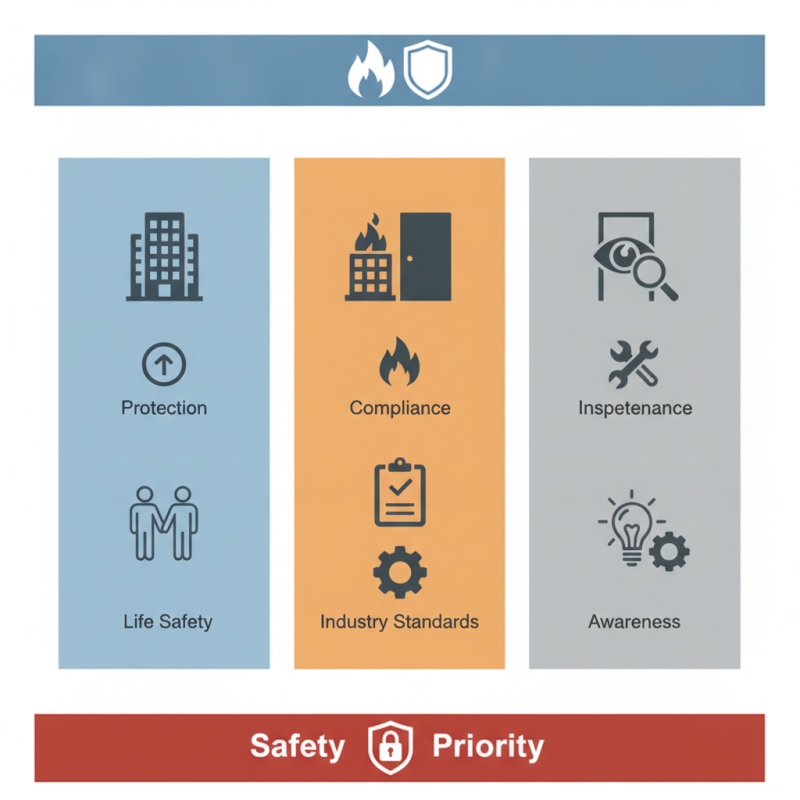
With the right knowledge and awareness, compliance can be achieved. Understanding the features that make a fire door effective is crucial. Each door must meet industry standards to function properly during a fire. Reflecting on your facility’s preparedness might reveal gaps that need attention. Safety should always be a priority in any commercial setup.
Understanding Commercial Fire Doors: Importance for Safety
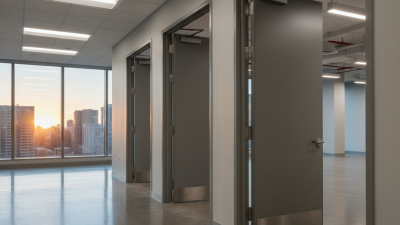
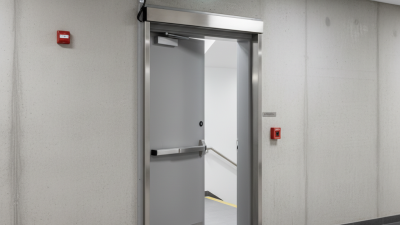
When it comes to commercial fire doors, understanding their significance is crucial for safety. These doors are designed to protect lives and property in the event of a fire. They serve as barriers, slowing down the spread of flames and smoke. A compliant fire door can make a difference in escape time during an emergency.
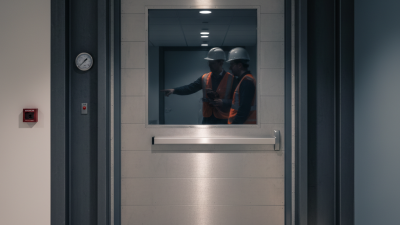
Regular inspections are essential to maintain compliance. Check for gaps, damage, or any obstructions that may hinder their function. Fire doors must close properly to provide effective protection. Always ensure that the self-closing mechanisms work as intended.
Tip: Install signage to remind occupants of fire door importance. Awareness can enhance safety measures.
Training staff on fire door protocols is vital. They should know when to use fire doors and the risks of propping them open. Neglecting this knowledge can lead to dire consequences.
Tip: Schedule periodic fire drills. This practice reinforces emergency procedures and highlights the role of fire doors in safety.
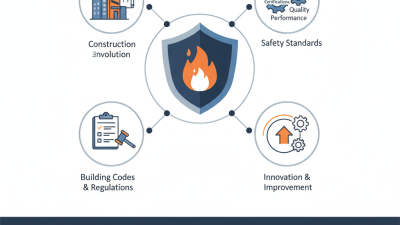
Take fire door safety seriously. It requires ongoing attention and compliance with regulations. Do not overlook the small details; they can save lives during an emergency.
Types of Commercial Fire Doors and Their Applications
When it comes to commercial fire doors, understanding the different types and their applications is crucial for safety. Fire doors are classified primarily into three categories: standard, security, and acoustic-rated. Each type offers unique features. Standard fire doors are designed to prevent the spread of fire. Security doors provide added protection against unauthorized access. Acoustic-rated doors help reduce noise without compromising fire resistance.
The National Fire Protection Association (NFPA) reports that properly installed and maintained fire doors can reduce fire-related injuries by 75%. This statistic underscores the importance of selection and installation. Acoustic-rated doors, for instance, are commonly used in hospitals and schools, where sound control is essential. Security doors find their applications in high-risk areas like server rooms or safes.
However, not all installations meet safety standards. Sometimes, doors are improperly installed or maintained. According to a study by the International Fire Code Council, nearly 25% of fire doors inspected in commercial facilities were non-compliant with current codes. This indicates a significant need for ongoing training and better oversight. Regular inspections and adherence to regulations are vital to ensure these doors function effectively during emergencies.
Top Commercial Fire Doors: What You Need to Know for Safety and Compliance
| Type of Fire Door |
Fire Rating |
Material |
Typical Applications |
Compliance Standards |
| Steel Fire Door |
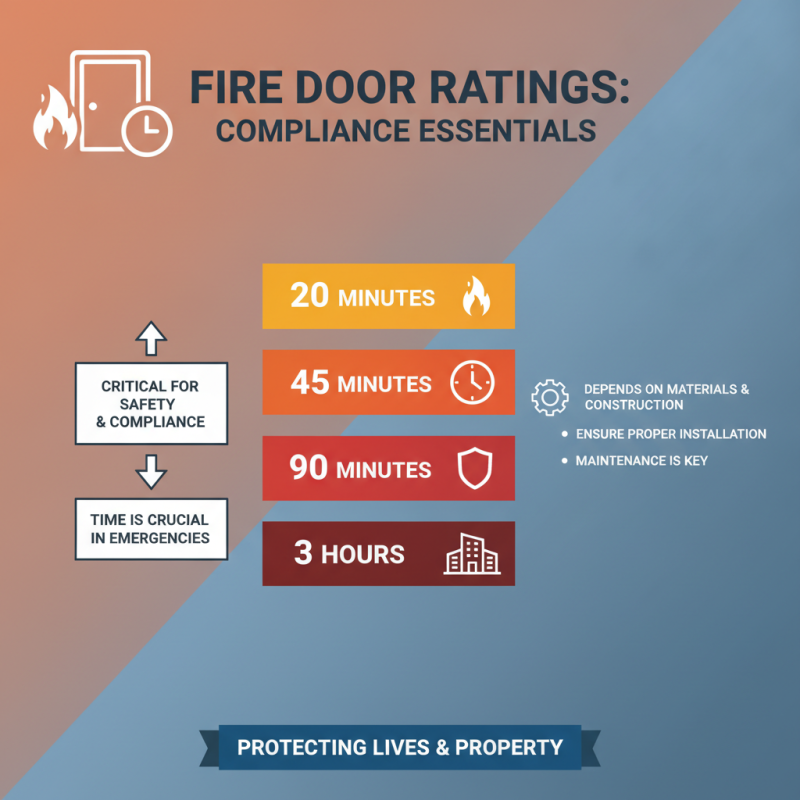
3 hours |
Steel |
Industrial buildings, warehouses |
NFPA 80 |
| Wood Fire Door |
20 minutes to 90 minutes |
Wood |
Commercial offices, hotels |
UL 10C |
| Glass Fire Door |
30 minutes to 60 minutes |
Tempered glass |
Showrooms, restaurants |
ANSI/UL 10B |
| Single & Double Swing Fire Door |
3 hours |
Steel |
Education, healthcare facilities |
IBC 2018 |
| Rolling Fire Door |
1 hour to 3 hours |
Steel |
Loading docks, warehouses |
NFPA 80 |
Installation Requirements and Best Practices for Fire Doors
When installing fire doors, proper adherence to installation requirements is crucial. A recent report by the National Fire Protection Association indicates that approximately 70% of fatalities occur in structures where fire doors are improperly maintained. This highlights the importance of compliance with local building codes and standards, such as the NFPA 80. The door must be fitted correctly within the frame, ensuring no gaps exceed 1/8 inch. This prevents smoke and flames from penetrating barriers.
Best practices extend beyond mere compliance. Fire doors should be installed by trained professionals familiar with local regulations. Regular inspections are necessary to maintain functionality. The Fire Door Inspection Standard suggests checking doors every six months. It's essential to verify that labels are visible and that hardware operates smoothly. Many property managers overlook the significance of routine checks, potentially compromising safety.
Using the right materials is also essential. Fire doors need to be made of sturdy materials, such as steel or solid wood. Experts recommend ensuring that any door leaf is at least 1-3/4 inches thick. Additionally, proper signage should clearly indicate when doors are to be kept closed. Education about the role of fire doors is often lacking among staff, which can lead to misuse. A comprehensive training program can mitigate such oversights.
Maintenance and Inspection Guidelines for Fire Door Systems
Fire door systems are essential for ensuring safety in commercial buildings. Regular maintenance and inspection are crucial for compliance with fire safety regulations. According to the National Fire Protection Association (NFPA), over 3,000 structure fires are reported annually, resulting in significant property damage and loss of life. Properly maintained fire doors can prevent the spread of flames, smoke, and toxic gases, ultimately saving lives.
It’s vital to conduct frequent inspections. Check for any damage, such as gaps or broken seals. The NFPA suggests inspecting fire doors every six months. During these inspections, ensure that labels are intact and visible. Additionally, test the door’s operation to confirm that it opens and closes smoothly. Don’t overlook the hardware; hinges and latches must function properly.
Tips: Create a log of inspections to track compliance. This documentation can be invaluable during audits. Consider training staff on the importance of fire door maintenance. Awareness can significantly enhance safety culture.
Lastly, some businesses may overlook minor damages. A small issue, like misalignment, can lead to bigger problems. Fire doors must fit tightly in their frames. This ensures their effectiveness during a fire. Regular upkeep not only meets regulatory standards but also fosters a safe working environment.

 086 15318950099
 Contact Email