How to Choose a Fire Door With Glass?
Choosing a Fire Door With Glass means balancing visibility, light, and dependable fire protection. The glass can brighten a dark corridor or let staff see approaching visitors. But appearance alone cannot show whether a complete doorset is suitable. The leaf, frame, glazing, seals, hinges, and closer must work together as a tested assembly. A small mismatch can matter. Even a neat-looking installation deserves a careful check.
Fire-door specialist Hannah Mansell is associated with practical guidance on fire-door safety. A useful principle to keep in mind is: “Choose a tested doorset, not just attractive glass.” This is a summary of the selection principle, not a verified verbatim quotation. Before comparing styles, check the door’s documented fire performance and confirm that its glazing system is approved for that specific doorset. Ask the supplier for clear product information, installation instructions, and evidence that the glass and frame are compatible.
Look closely at the details. Is the vision panel large enough for the space? Will the door still close fully after installation? Are the seals continuous, and is the hardware appropriate for the door? The right choice depends on the building, its use, and the advice of a qualified professional. A stylish panel may seem reassuring, but appearance is not proof. When information is incomplete, pause and ask for clarification.
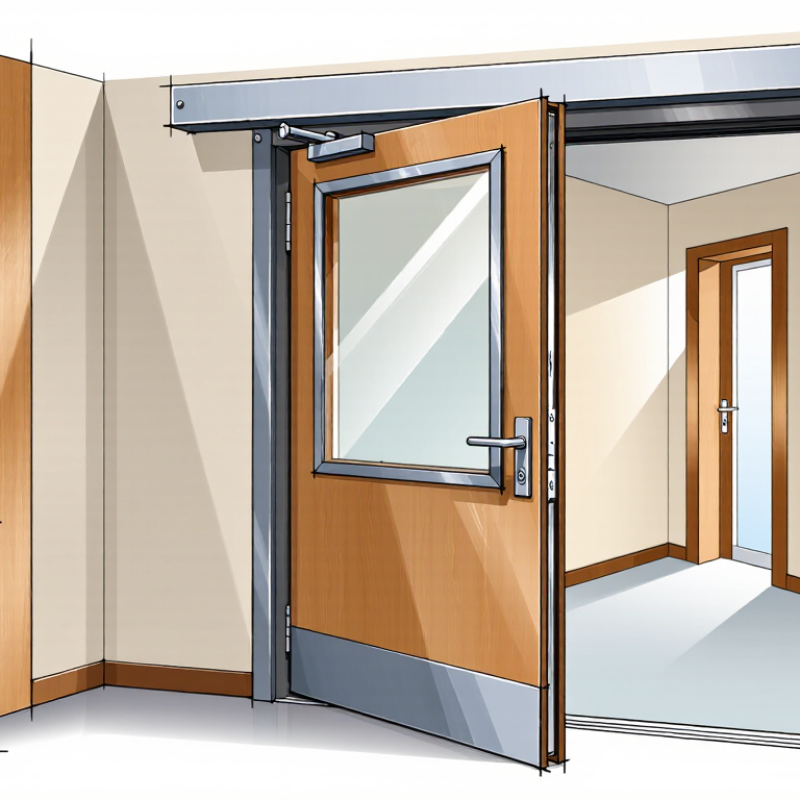
Identify the Required Fire-Door Rating: 20, 45, 60, or 90 Minutes
How to Choose a Fire Door With Glass?
Start with the required fire-door rating, not the appearance of the glass. A 20-minute door may suit a protected corridor opening, while 45-, 60-, or 90-minute ratings may be required in other locations. The correct rating depends on the building’s approved fire strategy, the wall rating, and local requirements. Check the door schedule or ask the building’s fire-safety professional before ordering. Guessing can lead to an attractive door that does not provide the intended protection.
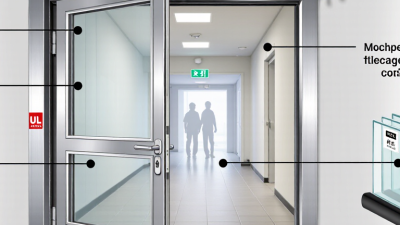
The glass must be tested and listed for use in that specific door assembly. A clear pane is not automatically fire-rated. Confirm the label shows the permitted glazing size, frame, seals, and compatible hardware; changing the glass or cutting a larger opening can invalidate the tested configuration. NFPA’s report Fire Loss in the United States During 2023 estimated about 1.39 million fires nationwide. That figure is a useful reminder of fire risk, not a basis for choosing a door rating.
Look for matching identification labels on the door, frame, and glazing, then check that they remain legible after installation. Ask for the test documentation. Keep it on file. Ratings can be confusing, and I would verify the exact opening requirements rather than rely on a supplier’s shorthand description.
Check Door and Glazing Listings Against NFPA 80 and UL 10C
How to Choose a Fire Door With Glass?
A glazed fire door is not chosen by appearance alone. Its door, frame, hardware, and glazing must match a tested assembly. NFPA 80 requires listed fire door assemblies and installation according to their listing. UL 10C evaluates doors under positive-pressure fire tests, exposing weaknesses around glass edges, seals, and hardware. A glass panel can look secure yet fail when heat drives pressure through the opening.
NFPA reported 1,504,500 fires in the United States during 2022, with approximately $18.1 billion in property damage. These figures reinforce why compartmentation details deserve careful review. Check the door label, frame label, glazing label, and permitted glass size. Confirm the glass rating meets or exceeds the door rating. Do not assume a fire-rated pane remains compliant after field cutting, drilling, or replacing beads. That assumption is risky. In practice, documentation is often the weakest link.
Tips:
Request the complete door and glazing listings before purchase. Compare the listed vision-panel dimensions with the project drawings. Verify the installer follows NFPA 80’s preparation and fastening requirements. Photograph labels before installation. If the listing is unclear, pause and ask a qualified fire-door inspector or the testing agency. A quick visual check helps, but it cannot replace listing verification.
Match Glass Fire-Protection Ratings to the Building-Code Requirements
Choosing fire-rated glass starts with the opening, not its appearance. The wall rating, door rating, occupancy, and egress function control the specification. The 2024 International Building Code, Table 716.1(2), connects opening-protective ratings with rated wall assemblies. Local adoption and amendments still matter. A one-hour wall does not automatically permit any one-hour glass.
Fire-protection-rated glass can limit flames and smoke for a stated period. It may not limit heat enough for every location. Fire-resistance-rated glazing is tested as part of a wall assembly and can provide stronger insulation performance. NFPA 80, 2022 edition, requires listed or labeled glazing, frames, and hardware that work together. The NFPA report Fire Loss in the United States During 2022 recorded about 1,504,500 fires and $18.1 billion in property damage. Rating shortcuts deserve scrutiny.
Ask the authority having jurisdiction which code edition applies. Confirm the required minutes, hose-stream test, temperature-rise limits, and maximum vision-panel size. Standards such as UL 10C and NFPA 257 may appear in the documentation, depending on the assembly. Check the permanent label on the glass and frame. A 90-minute door can still fail its intended function when the glazing, frame, or installation is mismatched. I would not approve a specification based only on a supplier’s product sheet. The hard part is often the frame.
How to Choose a Fire Door With Glass?
Match Glass Fire-Protection Ratings to the Building-Code Requirements
For a preliminary selection, the fire-protection rating of the vision-panel glazing should meet the rating required for the listed fire-door assembly. Common opening-protection ratings include 20, 45, 60, 90, and 180 minutes.
This chart is a screening guide based on rating categories commonly used in the International Building Code. Always verify the adopted code edition, listed door-and-glazing assembly, maximum glass area, hose-stream performance, and temperature-rise requirements with the authority having jurisdiction.
Confirm Listed Vision-Lite Size and Compatibility With the Door Assembly
How to Choose a Fire Door With Glass?
A fire door with glass is a tested assembly, not simply a rated door plus a window. NFPA’s Fire Loss in the United States During 2023 reported about 1.39 million fires and 3,670 civilian fire deaths. That scale makes small specification errors consequential. Confirm the door’s fire rating, glazing type, frame, lite kit, and installation method together. Under NFPA 80, the vision-lite size must match the listed assembly. Do not assume a larger opening is acceptable.
Check the listing label and approval documents before ordering. They should identify the maximum vision-lite dimensions, glass construction, glazing compound, retaining system, and compatible door thickness. Testing under UL 10C or NFPA 252 evaluates the complete door assembly, including heat exposure and pressure conditions. A fire-rated glass panel may still be unsuitable for a particular door. Ratings do not transfer automatically. This is where projects often fail quietly.
Tips:
Measure the clear opening, not only the visible glass. Ask for the exact listed size and assembly details. Verify whether the door is rated for positive-pressure exposure. Confirm the frame and hardware are included in the listing. Photos help, but they are not approval documents. In site inspections, mismatched bead depths and unlisted glazing materials appear more often than expected. I have seen drawings look correct while the delivered lite kit was different. Recheck before installation. A small discrepancy can require costly replacement. When uncertain, request written confirmation from the listing agency or a qualified fire-door inspector.

 086 15318950099