inquiry
Leave Your Message

How to Choose a Fire Door With Glass?

Choosing a Fire Door With Glass requires more than comparing styles, prices, and panel sizes. The door must support safe evacuation while resisting fire, heat, and smoke for its certified period. Glass can improve visibility in corridors, schools, hospitals, and commercial buildings. However, every visible panel changes the door’s construction and performance.

Start by identifying the required fire-resistance rating for the opening. Confirm that the door, glass, frame, seals, hinges, closer, and vision panel have been tested together. A fire-rated label should remain clear and traceable. Do not assume ordinary wired or tempered glass is suitable. Fire-resistant glazing uses specialized layers that may turn opaque when exposed to intense heat. That detail matters near escape routes.

Look closely at the installation conditions. A small gap beneath the door, a loose smoke seal, or a poorly adjusted closer can reduce protection. The glass size also needs careful review. A wider viewing panel may look better, but it can limit available certified configurations. This is where many projects become unnecessarily complicated. The cheapest option may require replacement later.

Reliable selection depends on verified test evidence, manufacturer instructions, and advice from a qualified fire-door professional. Local building requirements can differ, so approval should come from the responsible authority or competent inspector. Ask for maintenance guidance, inspection intervals, and compatible replacement parts. A well-chosen Fire Door With Glass should provide visibility without creating false confidence. It is not merely an attractive entrance; it is a tested safety assembly that must perform when normal systems fail.
How to Choose a Fire Door With Glass?

Fire Door Glass Ratings and Safety Standards

How to Choose a Fire Door With Glass?

Fire door glass must be selected by its tested fire rating, not by appearance alone. Common ratings include 20, 45, 60, 90, and 120 minutes. The required period depends on the wall, escape route, and local building code. A higher wall rating does not automatically make every glass door suitable.

Look for performance terms such as E, EW, and EI under EN 13501-2 classifications. “E” refers to integrity, while “I” includes insulation performance. In other jurisdictions, testing may follow standards such as UL 10C, NFPA 80, or equivalent national requirements. These systems are not interchangeable without verification. Ask for the complete test evidence, including the glass, frame, seals, glazing beads, and hardware.

A label matters. It should identify the rating and approved installation conditions. However, a label alone is not proof of correct installation. Check whether the glass is listed for the exact door and frame assembly. Safety glazing performance may also be required under standards such as ANSI Z97.1 or local equivalents. Keep clearance even around the glazing, and never replace approved seals with ordinary tape. Small installation changes can reduce protection.

Do not judge safety by thickness alone. Thicker glass is not always better. A practical inspection should examine damaged edges, loose beads, failed seals, and missing identification marks. This part is often overlooked. When documentation is incomplete, consult a qualified fire-door inspector or the authority having jurisdiction before ordering.

Choosing the Right Fire Resistance Level

Choosing the right fire resistance level starts with the building’s risk, not the appearance of the glass. A corridor in an apartment block may need a different rating from a plant room or stairwell. Check the required rating in the local building code and the project’s fire strategy. Ratings are commonly expressed in minutes, such as 30, 60, or 90. However, the number alone is not enough.

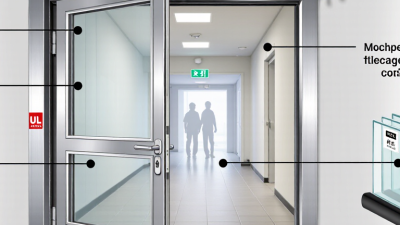
A fire door with glass is a tested assembly. The door leaf, glazing, frame, seals, hinges, and closer must work together. Ask for test evidence covering the complete configuration, including the glass size and installation method. Fire resistance usually includes integrity and insulation. Integrity helps stop flames and hot gases. Insulation limits heat passing to the unexposed side. Some projects need both. Others may focus on integrity only, depending on the approved design.

Measure the opening carefully. Large vision panels can reduce performance if the design is not tested. The glass should sit firmly, with compatible beads and seals. Never assume ordinary wired or laminated glass is fire-rated. That mistake is easy to make. I have also seen specifications choose a higher rating without checking the surrounding wall. It sounds safer, but it may create an unbalanced design. Review the wall, frame, hardware, and maintenance plan together. A damaged seal or misaligned closer can weaken the door during an emergency. Certified installers and current inspection records provide useful confidence, but they do not replace project-specific professional advice.

Selecting Suitable Glass Types and Frame Materials

How to Choose a Fire Door With Glass?

Selecting Suitable Glass Types and Frame Materials

Choosing fire-rated glass starts with the required performance level, not the panel’s appearance. Fire-protective glass can limit flames and smoke, while fire-resistive glass can also reduce heat transfer. The distinction matters near escape routes, stairwells, and shared corridors. Always check the door’s tested rating, glazing size, and installation direction. A small change can invalidate the complete assembly.

Ceramic, wired, and special laminated glass may suit different fire classifications. However, the glass must be tested with its glazing beads, seals, setting blocks, and frame. The label should match the certified system. Plain tempered glass is not automatically fire-rated. It may look similar, but performance is different. Check the test report and local building requirements before ordering.

Frame material deserves equal attention. Steel frames usually offer predictable strength and thermal stability. Timber frames can work when specially treated and tested with the selected glass. Aluminum requires a purpose-designed fire-rated system because it loses strength quickly under heat. The frame, hinges, door closer, and intumescent seals must work together. Measure the opening carefully, especially around uneven walls. On site, rushed measurements often create fitting problems. I would also question vague product claims without supporting documentation. A qualified installer should preserve the approved clearances and sealing details. Even an excellent glass panel can fail when the frame or seal is changed.

How to Choose a Fire Door With Glass?

Select glazing and frame materials as a tested, certified assembly. The chart shows common fire-resistance durations used in building specifications; actual performance depends on the complete door, glass, frame, hardware, and installation system.

Ceramic and specially tested fire-rated laminated glass are often selected for higher-rated vision panels, while wired glass is commonly associated with lower or moderate rating requirements. Steel frames are widely used because they can support higher-rated door assemblies, but the frame must always match the certified glazing and door system.

Checking Size, Hardware, Seals, and Installation Requirements

Choosing a fire door with glass requires more than checking its appearance. The door, frame, glazing, and hardware must work as one tested assembly. Measure the opening carefully, including wall thickness, floor clearance, and frame alignment. A few millimetres can affect closing performance. Do not rely on a generic size chart.

Check the hinges, closer, latch, and panic hardware against the door’s approved specification. Heavy glass can change the door’s weight and movement. The closer should shut the leaf fully without slamming. Test it several times. It should latch smoothly, even from a partly open position. Some fittings look suitable but may not be approved for fire-resisting use.

Seals need close attention. Intumescent strips should sit continuously in the frame or door edge, without paint, gaps, or crushed sections. Smoke seals must meet the required design and remain undamaged. Installation is where good products sometimes fail. The frame must be plumb, the fixings must suit the wall, and the gap must match the tested assembly. I would photograph the final gaps and hardware positions for the inspection record. It is easy to miss one small defect. Ask a qualified installer to confirm local fire and building requirements before ordering. Rechecking the details may feel excessive, but replacing an incorrect door later costs more time.

Verifying Certification, Maintenance, and Long-Term Performance

How to Choose a Fire Door With Glass?

Verifying Certification, Maintenance, and Long-Term Performance

A fire door with glass should have certification for its complete assembly, not the door leaf alone. Check the rating, test standard, and approved size before purchasing. The certificate should identify the frame, glazing, seals, hinges, closer, and locking hardware. Components can look compatible and still fail together.

I once focused too heavily on the glass rating. That was a mistake. The frame and seals often receive less attention during site inspections. Ask for traceable test evidence from an accredited laboratory or recognized certification body. Confirm that the listed configuration matches the installed door. Do not accept vague claims such as “fire resistant” without supporting documents.

Maintenance protects the tested performance. Inspect gaps, damaged seals, loose hinges, closing speed, and latch engagement regularly. A door that slams or stays open needs immediate attention. Keep inspection records with dates, findings, and corrective work. Cleaning chemicals, moisture, and heavy traffic can shorten service life. Replace damaged parts only with approved equivalents. Drilling new holes or changing the glass later may invalidate the original certification.

Performance also depends on installation quality. Check the surrounding wall, fixing points, and floor clearance. Small defects can become serious during a fire. My own practical bias is to trust visible evidence, yet records still matter. A clean door is not necessarily a compliant door. Have a qualified inspector review uncertain changes before the door returns to service.

How to Choose a Fire Door With Glass? - Verifying Certification, Maintenance, and Long-Term Performance

Verification Area What to Check Reliable Evidence or Acceptance Criteria Why It Matters for Long-Term Performance
Fire-resistance rating Confirm the required rating for the opening, such as 30, 60, 90, or 120 minutes. The rating must match the applicable building code, fire strategy, and tested door assembly. Do not select the door leaf alone. The leaf, frame, glazing, seals, hardware, and installation method work as one tested assembly.
Certification and test evidence Check whether the complete glazed door set has been tested or assessed by an appropriately recognized body. Request a current certificate, assessment report, or listing identifying the door type, size limits, glazing configuration, frame, hardware, and rating. Traceable documentation helps prevent substitutions that invalidate the original fire-performance evidence.
Applicable standards Identify the testing and certification system required in the project location. Examples include EN 1634-1, UL 10C, NFPA 252, and local building-code requirements. The relevant authority determines which standard applies. A certificate issued under an unrelated standard may not satisfy local approval or inspection requirements.
Fire-rated glazing Verify the glass type, thickness, dimensions, orientation, and permitted glazing method. The glass must be specifically approved for the required fire rating and installed with the tested bead, gasket, setting blocks, and retaining system. Ordinary tempered or laminated glass is not automatically fire-rated, even when used in a fire-door leaf.
Glass area and vision panel Compare the actual glass size and position with the certified configuration. The opening must remain within the tested or assessed maximum dimensions, including any required edge distances. Increasing the vision panel or changing its position can alter heat transfer and structural performance.
Frame and wall compatibility Check the frame material, profile, anchorage, wall type, and required clearances. The frame and wall construction must be covered by the certification or approved assessment and installed according to its instructions. A correctly rated leaf can fail prematurely if the frame is incompatible, poorly anchored, or installed in an unsuitable wall.
Intumescent and smoke seals Inspect continuity, position, adhesion, and condition around the leaf and frame. Seals should be intact, correctly sized, firmly attached, and free from paint, cuts, gaps, or unauthorized modification. Damaged or missing seals can allow hot gases and smoke to pass before the fire-resistance period is reached.
Hardware compatibility Verify hinges, latch, closer, locks, panic hardware, coordinators, and hold-open devices. Use only hardware permitted by the door’s certification or assessment. Fire-door hardware should be securely fixed and correctly adjusted. Incorrect hardware can prevent positive latching or self-closing, both of which are essential during a fire.
Installation quality Review the installer’s method, frame anchorage, packers, gaps, sealant, and final alignment. Installation must follow the manufacturer’s certified instructions and the applicable code. Record installer details and completion date. Poor installation is a common cause of excessive gaps, binding, leakage, and premature hardware wear.
Self-closing and latching Open the door and confirm that it closes fully and engages the latch without assistance. The door should not remain propped open unless an approved, code-compliant hold-open device releases it when required. A fire door that is open or not latched cannot provide its designed compartmentation function.
Routine inspection Inspect the leaf, glazing, frame, seals, hinges, closer, latch, signage, and surrounding wall. Use a documented inspection program at the frequency required by local regulations, risk level, and the building’s fire-safety plan; annual inspection is a common minimum where permitted. Regular checks identify small defects before they affect the certified performance of the assembly.
Cleaning and maintenance Clean glass and hardware with compatible products; lubricate or adjust components only as specified. Do not drill, cut, sand, repaint seals, remove glazing beads, or replace components without approval from the responsible technical source. Unauthorized alterations can damage fire seals, weaken the leaf, or remove the door from its certified configuration.
Damage and replacement triggers Look for cracked or misted fire-rated glass, loose beads, distorted leaves, damaged seals, corrosion, or failed hardware. Remove from service or obtain a qualified assessment when the door cannot close, latch, align, or be restored with approved replacement parts. Visible damage may indicate a loss of fire, smoke, impact, or structural performance.
Records and traceability Maintain certification documents, installation records, inspection reports, repairs, and replacement details. The record should identify the door location, rating, inspection date, defects, corrective action, and responsible person. Traceable records support regulatory compliance and make future repairs less likely to involve incompatible parts.
Expected service-life planning Assess usage frequency, traffic impact, moisture, temperature, cleaning chemicals, and exposure to abuse. There is no universal service-life number for every fire door; replace or refurbish based on condition, inspection findings, and approved technical guidance. A maintenance plan based on actual operating conditions provides more reliable performance than a fixed replacement date alone.

Note: Certification, inspection frequency, permitted modifications, and installation requirements vary by jurisdiction. Always verify the complete door assembly against the applicable local code and the current certification or assessment documents.