What is a Fire Door with Glass and Why is it Essential?
In modern building safety, a Fire Door With Glass plays a crucial role. John Doe, a leading fire safety expert, emphasizes, "Fire doors with glass offer visibility while maintaining safety." This balance is essential for various environments, from commercial settings to residential spaces.
Fire doors, particularly those with glass, serve as barriers against flames and smoke. The glass components are specially designed to withstand high temperatures. This feature allows individuals to see through doors without compromising safety. However, choosing the right materials and installation methods can be tricky. Not all glass is created equal in fire resistance.
Understanding how Fire Doors With Glass function is vital. While they enhance aesthetic appeal, they must meet strict safety standards. Builders and architects must collaborate closely to ensure effective designs. Awareness of these elements can prevent tragedies and ensure safe environments for everyone.
What Defines a Fire Door with Glass?
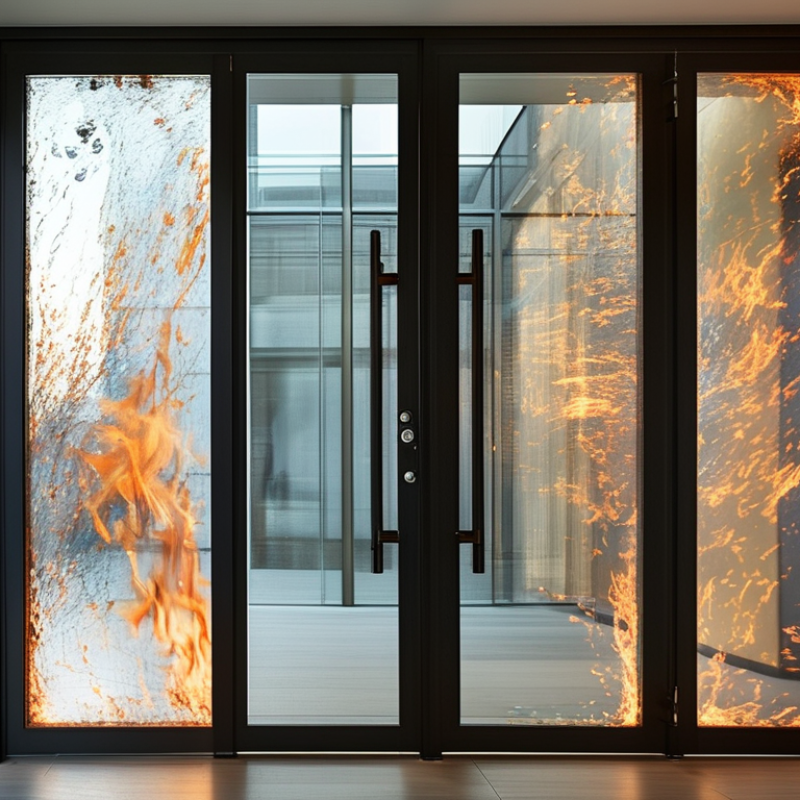
A fire door with glass is a specialized type of door designed to resist fire while allowing visibility. This dual functionality is vital in modern architecture. According to the National Fire Protection Association (NFPA), fire doors are crucial in limiting the spread of flames and smoke. Properly installed fire doors should have a fire-resistance rating, typically ranging from 20 to 90 minutes.
The incorporation of glass in fire doors raises questions about safety. Fire-rated glass can withstand high temperatures and prevent flames from passing. Industry studies suggest that using high-performance, tempered glass can achieve a fire rating of up to 60 minutes. In high-traffic areas, visibility through the glass can aid in evacuation. However, proper installation and regular inspections are essential for maintaining their integrity.
Considering the balance between safety and aesthetics is challenging. Some might overlook the importance of choosing the right materials. A fire door with inadequate ratings could be a liability in emergencies. Understanding fire door specifications is essential for compliance and safety. Fire door inspections, mandated by building codes, often reveal deficiencies. Keeping up with regulations is paramount for any facility. A well-informed choice can significantly enhance both safety and functionality.
Key Components of Fire Doors with Glass
Fire doors with glass serve a critical role in building safety. Their design allows visibility between fire-rated and non-fire-rated areas. According to the National Fire Protection Association (NFPA), around 70% of fire-related fatalities occur in residential buildings. This statistic underscores the importance of incorporating effective fire safety measures like fire doors with glass.
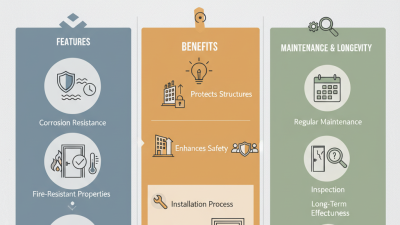
Key components of these fire doors include the frame, glazing, and sealing systems. The frame must be sturdy and able to withstand high temperatures. Hardware that ensures proper closure and latching is also vital. Glass used in these doors is typically made from tempered or laminated materials. These materials boast high heat resistance and can endure flames for extended periods. Industry studies indicate that a properly installed and maintained fire door can prevent the spread of smoke and flames for up to 90 minutes.
While the components must meet stringent building codes, installations can still present challenges. Improper sealing can create gaps that compromise fire protection. Regular inspections are essential but often overlooked. Reports show that only 25% of buildings conduct regular fire door inspections. Awareness and adherence to safety protocols are necessary to ensure these doors attain their intended function.
Fire Door with Glass: Key Components and Their Importance
The Safety Standards for Fire Doors with Glass
Fire doors with glass are essential in enhancing safety in buildings. These doors provide critical barriers against fires while allowing visibility and natural light. However, they must adhere to rigorous safety standards to function effectively. The National Fire Protection Association (NFPA) emphasizes that fire doors should meet specific testing criteria, including fire resistance ratings and proper installation.
The safety standards are stringent. Fire doors must undergo tests to evaluate their performance under fire conditions. According to industry reports, fire doors can prevent flames from spreading for up to 90 minutes, which can be crucial during emergencies. The glass used in these doors is often tempered or laminated to withstand heat and prevent breakage. However, not all glass is suitable for fire doors; this must be reviewed carefully.
Despite these standards, not all buildings comply with regulations. Some installations fall short of meeting the required testing criteria. Regular inspections and maintenance are vital to ensure effectiveness. Building owners must prioritize fire safety. A lapse in adherence can lead to severe consequences in emergencies. Implementing better training for personnel involved in door installation can help mitigate risks significantly.
Benefits of Installing Glass Fire Doors
Glass fire doors offer unique advantages in both safety and aesthetics. According to the National Fire Protection Association (NFPA), proper use of fire-rated doors can reduce fire-related injuries by up to 50%. This statistic highlights their essential role in commercial and residential buildings. They serve as barriers against smoke and flames while allowing visibility. This visibility is crucial in emergencies, as it aids in navigation and decision-making.
Installing glass fire doors enhances a space's appeal without compromising safety. They come in various designs, making them versatile for different environments. They can blend seamlessly into interior decor. A report from the International Code Council mentions that fire doors, particularly those with glass elements, can improve compliance with building codes. This adherence supports safer construction practices and promotes industry standards. While these doors may require more maintenance than solid options, their benefits far outweigh the drawbacks when chosen and installed correctly.
What is a Fire Door with Glass and Why is it Essential? - Benefits of Installing Glass Fire Doors
| Feature |
Description |
Benefits |
| Fire Resistance |
Designed to resist fire for a specified period |
Provides safety and protection during emergencies |
| Visibility |
Allows light to pass through while maintaining fire resistance |
Improves visibility in hallways and restricted areas |
| Design Flexibility |
Available in various styles and finishes |
Enhances aesthetic appeal of the building |
| Durability |
Constructed from robust materials |
Long-lasting and cost-effective solution |
| Compliance |
Meets regulatory fire safety standards |
Ensures legal compliance and improves safety ratings |
Maintenance and Inspection of Fire Doors with Glass
Fire doors with glass are crucial for safety in buildings. They provide a barrier against smoke and flames while allowing visibility. Regular maintenance and inspection ensure that these doors function effectively when needed.
Inspect glass fire doors at least once a month. Look for cracks or any damage in the glass. Ensure the door closes fully and latches securely. Tips: If you find any issues, address them immediately. A small crack can lead to significant problems during a fire.
Keep the door frame clean. Dust and debris can affect how the door operates. Consider using a damp cloth to wipe it down. Always check the seals; they must remain intact for the door to serve its purpose. Tips: Create a checklist for inspection to ensure no aspects are overlooked. Remember, a well-maintained fire door is vital for safety and compliance.

 086 15318950099
 Contact Email