10 Essential Tips for Choosing the Best Timber Fire Door for Your Home?
Choosing the right Timber Fire Door for your home is crucial for safety and style. According to the Fire Protection Association, about 3,000 fires occur in residential buildings each year. These incidents highlight the importance of having effective fire doors. Timber fire doors not only act as barriers, but they also enhance the aesthetic appeal of your home.
Expert Marcus Lee, a renowned fire safety consultant, states, “Selecting the right fire door can mean the difference between life and death.” This statement emphasizes the critical role of timber fire doors in fire protection. Homeowners often overlook the specifications that distinguish high-quality timber fire doors from inferior options.
Inadequate knowledge can lead to poor choices. For instance, door ratings, materials, and installation requirements must align with fire safety standards. A Timber Fire Door must withstand flames and smoke while providing an effective barrier. As you navigate this selection process, consider both functionality and design. This balance is key to ensuring safety and complementing your interior spaces.
Understanding the Importance of Timber Fire Doors in Home Safety
Timber fire doors play a crucial role in enhancing home safety. They act as barriers against flames and smoke, protecting life and property. In a fire scenario, a well-constructed timber fire door can hold back flames for up to 60 minutes or more. The National Fire Protection Association (NFPA) reports that properly installed fire doors can reduce the risk of fire spread significantly. Homes equipped with these doors have a lower incidence of extensive fire damage.
Choosing the right timber fire door is not merely about compliance with safety codes; it's about ensuring reliable protection. According to the Fire Door Alliance, about 40% of fire doors are not installed correctly, rendering them ineffective. This highlights the importance of professional installation and regular maintenance. Regular checks can reveal whether a fire door closes properly or if gaps exist, which may compromise its function during an emergency.
Incorporating timber fire doors into a home’s design is a proactive approach to fire safety. Many homes still lack adequate fire protection measures. It's crucial to consider not only the fire rating but also the door's construction quality. Homeowners often overlook these details, focusing on aesthetics instead. Ensuring the right balance between style and safety can make a significant difference in protecting loved ones.
Key Factors to Consider When Selecting Timber Fire Doors
When selecting timber fire doors for your home, a few crucial factors come into play. Fire door ratings are paramount. The rating indicates the door's ability to withstand flames and smoke. Most residential fire doors have ratings between 30 and 60 minutes. According to the National Fire Protection Association (NFPA), around 80% of fire-related deaths occur in homes. Choosing a fire-rated door can significantly enhance safety.
The choice of timber also matters. Solid wood is generally preferred for its stability and fire-resistant properties. However, not all timbers are created equal. Certain species, like oak, offer better durability. It's essential to ensure the timber complies with local fire safety standards. Consulting a local building authority can provide clarity on these standards.
Additionally, door hardware plays a role in overall performance. High-quality hinges and locks can influence how well the door seals during a fire. A poorly sealed door may allow smoke and flames to penetrate, defeating its purpose. Understanding the specifications of fire doors, including installation requirements, can prevent potential miscommunications. Investing time in research is crucial; a well-informed choice will lead to a secure home.
Material Quality: Identifying High-Grade Timber for Fire Doors
Choosing the right timber for fire doors is crucial for safety and performance. High-grade timber must meet specific standards to ensure optimal fire-resistance. According to the Fire Protection Association, proper material selection can significantly enhance a door's fire rating. Look for timber that complies with the relevant fire safety standards, such as the British Standard BS 476.
Selecting solid wood, like oak or maple, is often recommended. These materials demonstrate durability and superior fire-resistance qualities. Ensure the timber is certified and sourced responsibly. This not only impacts fire safety but also aligns with sustainable practices. Poor-quality timber may warp or shrink over time, compromising safety.
For added protection, consider doors with a solid core. This design minimizes heat transfer during a fire, offering increased safety. Regular maintenance is essential; check for any damage or wear. Minor imperfections can lead to significant issues later. Ensure your fire doors fit properly to maintain their effectiveness.
Fire Rating and Compliance: What You Need to Know
When choosing a timber fire door, understanding fire ratings and compliance is vital. Fire doors play a crucial role in containing fires, protecting lives and property. According to the National Fire Protection Association (NFPA), over 50% of fire-related fatalities occur in residential settings. This underscores the importance of selecting the right door to meet safety standards.
Fire-rated doors must comply with local and national building codes. Typically, they are rated from 20 minutes to 3 hours. This rating indicates how long the door can withstand flames and heat. Look for labels that confirm these ratings, as they signify compliance with industry standards. Installing a compliant fire door can significantly enhance your home's safety.
Tip: Ensure the door you select has proper seals. Intumescent seals expand when exposed to heat, preventing smoke and flames from passing through.
Choosing the right fire door is not just about safety; it also involves aesthetics and functionality. Consider how a door complements your home design. Quality materials can provide both fire resistance and stylish appeal.
Tip: Consult local building authorities to verify which fire ratings are required in your area. Ignoring this could lead to costly renovations in the future.
Aesthetic Choices: Balancing Style and Safety in Fire Door Design
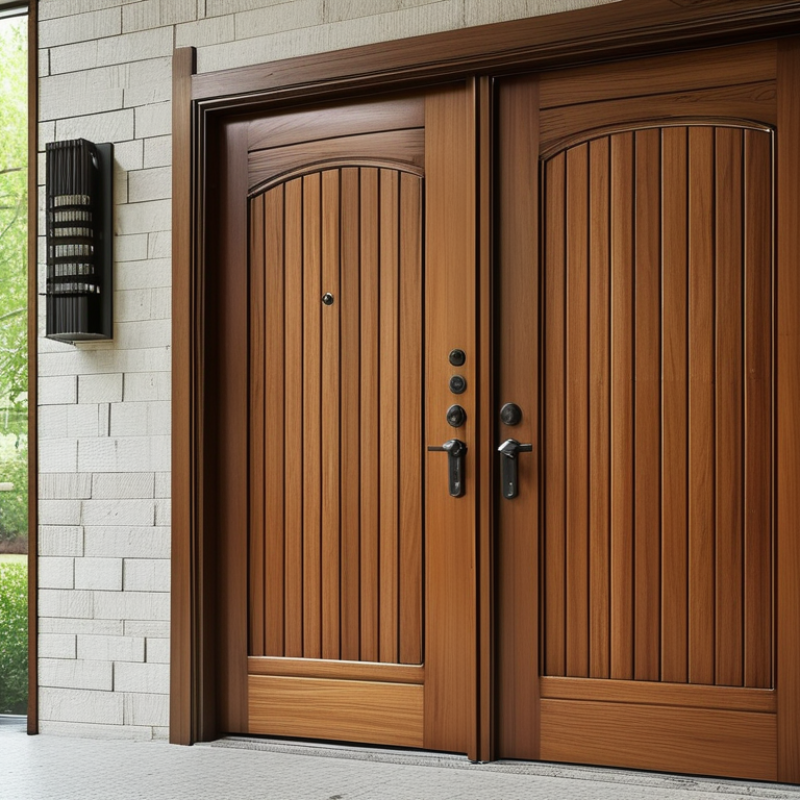
Choosing a timber fire door involves more than just safety; style matters too. Fire doors can enhance your interior design. Opt for finishes that complement your home's aesthetic. Rich wood tones add warmth, while light stains offer a modern touch. Consider the grain patterns as well; unique textures can be intriguing focal points.
While functionality is paramount, the design should not be overlooked. A poorly designed fire door can disrupt the harmony of your space. You might find that brightly colored doors attract attention but can clash with your decor. Matte or subtle finishes often blend seamlessly. Selecting the right door demands thoughtfulness. Mixing safety features with visual appeal can be challenging.
Homeowners sometimes struggle with these choices. Balancing between a door that meets safety regulations and one that fits the style feels overwhelming. It's essential to consider how the door's design interacts with other elements in your home. You may even realize that your initial choice doesn't align with your vision. Take time to reflect on what works best for you. This process can lead to a satisfying outcome, enhancing both safety and aesthetics.
Fire Door Material Preferences Among Homeowners

 086 15318950099
 Contact Email