What Is a Fire Door Price List and How Much Does It Cost?
A Fire Door Price List is more than a row of door prices. It helps buyers compare the door leaf, frame, glazing, hardware, seals, and installation. Those details matter. A steel door beside a warehouse loading bay may cost very differently from a glazed door in a busy corridor. The opening size, fire rating, finish, and required fittings can all change the final quote.
NFPA’s report, Fire Loss in the United States During 2023, estimated 1.39 million U.S. fire-department responses to fires that year. It also reported about $23.2 billion in direct property damage. These figures describe fire losses, not door prices, but they show why product selection and documented specifications deserve care. They do not, by themselves, prove that a particular door will prevent loss.
Fire-door specialist Lori Greene’s published guidance focuses on the door as a complete assembly. A practical paraphrase is: “The leaf alone does not provide the full protection.” That distinction is easy to miss when comparing headline prices. A cheaper listing may exclude a compatible frame, closer, seals, certification documents, or fitting. That comparison can be imperfect, too. Local labor rates and project conditions vary.
This guide explains how to read a Fire Door Price List, what typical cost components mean, and which questions to ask before requesting a quote. Prices change. Check the specification. Compare like with like.
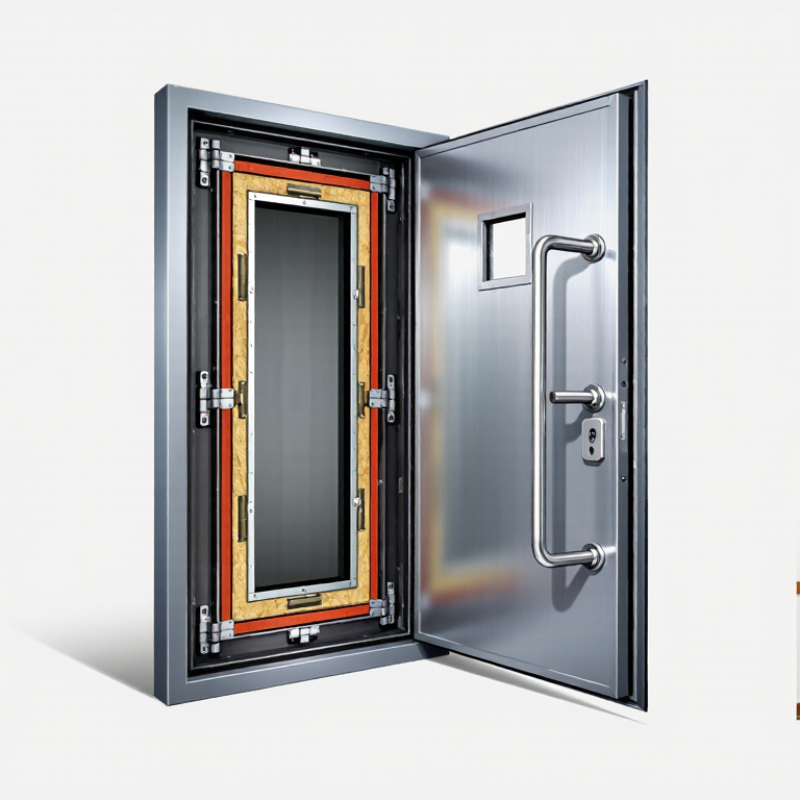
What Is a Fire Door Price List?
A fire door price list is an itemized guide to the products and services included in a quoted price. It usually identifies the door leaf, frame, fire-resistance rating, dimensions, finish, and hardware. Some lists show separate costs for delivery, fitting, or alterations. A useful list makes these details visible, rather than presenting one unexplained figure. Small details matter.
Prices can vary with the opening size, wall type, hardware choices, and installation work. For example, a standard-size door with basic hardware may cost less than a made-to-measure set with a frame and closer. The figures are usually estimates, not a promise that every opening will have the same final cost. Ask whether fitting, removal of an old door, and any finishing work are included. A clear written quote should also identify the specifications being priced, so they can be checked against project requirements by a qualified professional. Even a careful list may omit a site-specific issue. That limitation is worth noticing: the list helps compare options, but it cannot replace checking measurements and requirements before ordering.
Which Details Are Included in a Fire Door Price List?
A fire door price list should show more than a door’s basic price. It should identify the leaf and frame, their materials, and the available sizes. Look for the stated fire-resistance period and the test or certification documents supporting the specified assembly. Ratings can depend on compatible components, so a door leaf alone may not tell the whole story.
The list should also name hinges, closers, locks, seals, glazing, and other included hardware. Check whether finishes, handles, and preparation for access systems are standard or extra-cost options. A clear quote separates supply, delivery, and installation charges, then states taxes, minimum order quantities, lead times, and how long the prices remain valid. Small details matter.
Read the exclusions carefully. Installation, removal of an old door, site measurements, and adjustments may be priced separately. Ask whether the quoted configuration matches the opening and intended use, and request itemized costs for alternatives. I’ve seen buyers focus on the lowest figure and miss an essential closer or seal. That is an easy mistake. Even a well-organized list can leave questions, so confirm unclear specifications in writing before comparing quotes.
What Factors Affect Fire Door Prices?
Fire door prices depend on the complete assembly, not just the door leaf. A 90-minute-rated unit may cost more than a lower-rated one, especially when it needs a matching frame, closer, hinges, latch, and fire-rated glazing. Larger or nonstandard openings also mean custom fabrication. Small details add up.
Material prices can shift the quote. The Associated General Contractors’ analysis of U.S. Bureau of Labor Statistics data reported that steel mill product prices rose 141% from May 2020 to July 2021. That historic jump shows why steel-door estimates can change with market conditions; it is not a current price forecast. Timber, finish, glass, and hardware choices also affect the total.
Installation is another major factor. Removing an old frame, correcting an uneven opening, or working in a busy corridor can increase labor time. Ask whether delivery, installation, seals, and certified hardware are included. NFPA 80 (2022 edition) calls for fire-door assemblies to be inspected and tested annually, so maintenance access matters too. A low quote may omit important work. Compare identical ratings, dimensions, and scope before deciding.
What Additional Costs Should Buyers Consider?
A fire door price list may show the door leaf, but the complete opening often costs more. Check whether the quote includes a frame, hinges, latch, closer, intumescent seals, and smoke seals. These parts must suit the door’s tested specification. A closer may look minor on paper. It still affects installation time and performance.
Installation can add a substantial amount, especially when an existing frame is damaged or out of square. The installer may need to remove the old assembly, adjust the opening, and dispose of debris. Ask whether making good the surrounding wall is included. It often is not. A site visit can reveal awkward details, such as narrow access or uneven flooring, that a basic estimate misses.
Glazing, vision panels, specialist finishes, and access-control hardware can raise the total. So can delivery, documentation, and any required inspection or maintenance arrangements. Request an itemized quote that names the door rating, compatible components, labor, and exclusions. Have a competent professional confirm the specification against the building’s needs and applicable local requirements. Not always. A cheaper quote may simply leave more work for later, and comparing headline prices alone can be misleading.
Fire Door Price List: Estimated Costs and Extra Charges
Typical budgeting estimates in USD per door; bars show the midpoint of each range. Installation, removal, and site modifications are additional costs and may not apply to every project. Actual prices vary by location, fire rating, door size, materials, and project requirements. Request an itemized quote for a compliant door assembly.

 086 15318950099
 Contact Email