What Are the Best Fire Door Shop Drawings for Global Buyers?
Navigating the world of fire door shop drawings is essential for global buyers. This niche area combines design specifications with safety regulations. For manufacturers and contractors, understanding these drawings leads to better project outcomes.
Fire door shop drawings are more than mere blueprints. They encompass technical details, material specifications, and installation guidelines. Without accurate drawings, the risk of safety hazards increases. It's crucial for buyers to recognize variations across regions. The right information ensures compliance with local fire codes and standards.
However, not all shop drawings meet the highest standards. Some may lack vital details, while others are outdated. Buyers must critically evaluate the quality of these drawings. Engaging with experienced professionals can lead to better decision-making. It’s important to remember that the quality of fire door shop drawings directly affects safety and functionality in any building.

Understanding Fire Door Shop Drawings: Importance and Standards
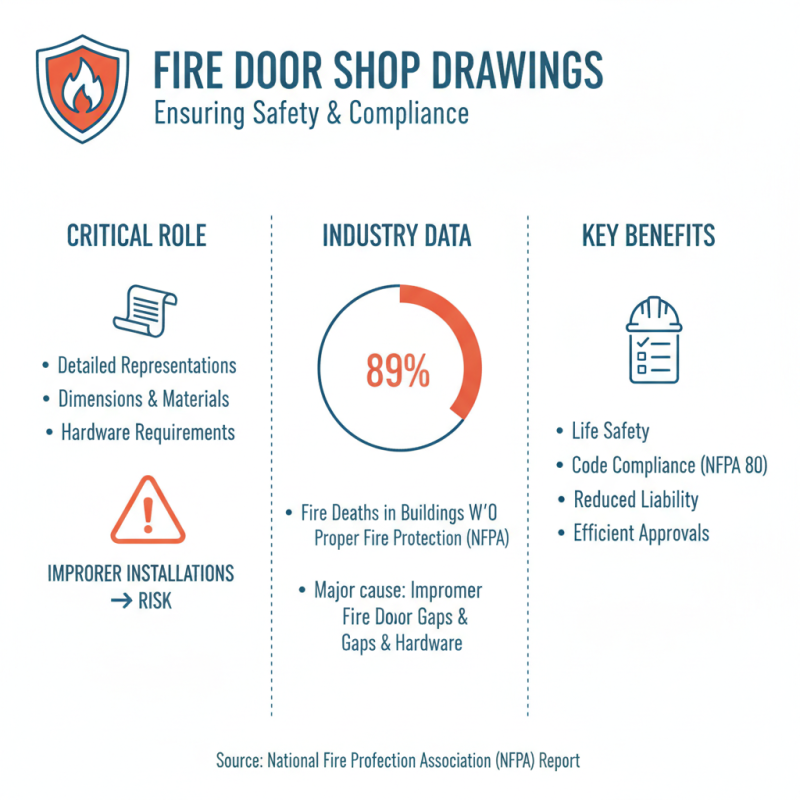
Fire door shop drawings are critical in ensuring safety and compliance within building designs. These drawings serve as detailed representations of fire door installations. They outline dimensions, materials, and specific hardware requirements. Industry data suggests that improper fire door installations account for a significant portion of fire-related fatalities. According to a report by the National Fire Protection Association, about 89% of all fire-related deaths occur in buildings without proper fire protection strategies.
Adhering to established standards is essential. The International Building Code states that fire doors must meet specific performance criteria. This includes the ability to withstand fire for a set duration. Clear, precise shop drawings help prevent mistakes during the installation process. A study by the Fire Protection Research Foundation indicates that accurate shop drawings can reduce installation errors by up to 30%. Inadequate shop drawings often lead to delays and increased costs.
However, the production of these drawings isn’t always perfect. Many drafts fail to include critical information, leading to confusion on-site. Identifying errors early can minimize safety risks. Some drawings don’t comply with local regulations, which varies globally. Continuous education and training in fire door shop drawing standards are necessary. The goal is to enhance reliability and ensure every installation meets safety expectations.
Key Features to Look for in Fire Door Shop Drawings
When sourcing fire door shop drawings globally, specific features are vital. Accuracy is paramount. The American Society for Testing and Materials (ASTM) indicates that 79% of fire door failures result from improper installation or incorrect specifications. Detailed drawings help avoid such issues. Include site dimensions and material specifications in the design. These details ensure that the fire doors fit perfectly and perform as expected.
Clarity in the drawings is equally important. Each detail should be easy to understand. Visual aids, like section views and assembly diagrams, can enhance comprehension. According to industry reports, 68% of architects prefer drawings that articulate complex details clearly. This reduces the chances of misinterpretation during installation. Color-coded elements can guide contractors effectively.
Compliance with local codes is essential too. Fire doors must meet specific regulations to ensure safety. A lack of compliance poses serious risks. Data suggests that nearly 30% of fire doors inspected do not meet standards due to drawing inadequacies. This highlights the need for thorough review processes. Drawings should explicitly state compliance with relevant fire safety standards, ensuring stakeholders adhere to safety measures.
Common Types of Fire Doors and Their Drawings
Fire doors are crucial for safety in buildings. They act as barriers against fire and smoke, buying time for evacuation. The National Fire Protection Association (NFPA) highlights that proper fire door installation can reduce fire spread by up to 75%. Understanding the common types of fire doors is essential for global buyers.
There are several types of fire doors available. Steel doors are durable and can withstand high temperatures. Wooden fire doors, treated with fire-resistant materials, are also popular. Glass fire doors offer visibility while providing protection. Each type has specific drawing requirements to ensure compliance with safety standards. Many buyers may overlook the importance of detailed shop drawings, which are essential for proper installation.
Accuracy in these drawings affects effectiveness. A slight error can compromise the fire door's function. Reports indicate that approximately 20% of fire door installations fail during inspections due to poor documentation. Buyers must scrutinize these drawings to ensure they meet local regulations and provide maximum safety. Failure to do this can have serious consequences.
Global Compliance Requirements for Fire Door Drawings
When considering global compliance requirements for fire door drawings, attention to detail is paramount. Different regions have varying standards. Familiarizing oneself with these can prevent costly mistakes. Many countries reference the International Building Code (IBC) or local fire safety codes. Understanding these can enhance the quality of your shop drawings.
Designing effective fire door shop drawings requires thorough research. A crucial element is ensuring proper labeling of fire ratings and hardware specifications. Clear, comprehensive drawings mitigate misinterpretations during the construction phase. Yet, many shop drawings lack this clarity, leading to installation issues. It's essential to continually improve practices.
Fire doors are critical for safety. Inadequate adherence to compliance can lead to hazardous consequences. The importance of incorporating feedback from inspections cannot be overstated. Many professionals miss this step, resulting in insufficient designs. Every mistake points to areas needing improvement. Taking a critical eye on existing practices can pave the way for enhanced fire safety compliance globally.
Best Practices for Creating and Reviewing Fire Door Shop Drawings
Creating effective fire door shop drawings is essential for safety and compliance. These drawings serve as a visual guide in the construction process. They should clearly reflect all relevant details, such as door dimensions, materials, and hardware types. Accuracy is crucial. Small mistakes can lead to significant safety issues.
One critical practice is thorough reviews. Involve various stakeholders, including architects and contractors. Collaborating enhances accuracy. Reviewing each detail ensures that nothing is overlooked. Create a checklist to highlight essential elements. Consistency is key, but be open to suggestions. A detailed drawing that lacks clarity can confuse workers.
It's also essential to stay updated with industry standards. Regulations frequently change. Fire door specifications may evolve over time. Engaging with local building codes is vital for compliance. Seek feedback from experienced professionals to refine your process. A solid understanding of fire safety protocols will always enhance your drawings, even when faced with challenges.
Fire Door Shop Drawings Quality Assessment

 086 15318950099
 Contact Email