Top Fire Door BIM Models for Global Buyers in 2026?
As the construction industry evolves, the importance of Fire Door BIM Models continues to grow. Experts highlight their role in ensuring safety and compliance. Renowned industry specialist, John Davis, once stated, "Fire Door BIM Models are crucial for modern building safety and efficiency." This statement underscores the rising demand for advanced fire door solutions.
In 2026, global buyers seek innovative fire door solutions that integrate seamlessly into architectural designs. The emphasis on safety and regulatory compliance is paramount. Fire Door BIM Models not only streamline the design process but also enhance communication among stakeholders. They provide detailed specifications that promote accountability. However, industry challenges remain, including varying standards across regions. This calls for continuous evaluation of existing models.
As we approach 2026, the need for reliable Fire Door BIM Models becomes increasingly evident. Buyers must prioritize quality and compliance. However, assessing the effectiveness of these models may require reflection on past implementations. Ensuring that fire safety measures align with evolving regulations cannot be overlooked.

Top Fire Door BIM Models Overview for 2026
Fire doors play a crucial role in safety and compliance in construction. As the demand for fire safety increases globally, Building Information Modeling (BIM) for fire doors is gaining attention. This technology streamlines the design and implementation of fire safety measures in various projects. In 2026, many builders aim to utilize top-tier BIM models for fire doors.
The best fire door BIM models combine accuracy and usability. Architects and engineers can create detailed fire door specifications easily. They help professionals visualize the fit of fire doors within architectural designs. However, not all BIM models are user-friendly or comprehensive. Some lack essential details, leading to potential oversights during installation.
Analyzing current trends is crucial. Many models may fall short of providing necessary compliance features. Stakeholders must evaluate the reliability of various BIM options. Misinformation can lead to increased risks and costs. As the sector evolves, adapting to new technologies will be essential for maintaining safety standards. The quality of these models will shape fire door usage significantly.
Top Fire Door BIM Models Overview for 2026
| Model Type |
Fire Rating (Hours) |
Material |
Configuration |
Ideal Use Case |
Estimated Cost (USD) |
| Single Leaf Door |
1.5 |
Steel |
Standard |
Residential Buildings |
350 |
| Double Leaf Door |
2 |
Wood |
French |
Commercial Kitchens |
600 |
| Bi-Folding Door |
1 |
Aluminum |
Bi-Fold |
Exit Routes |
450 |
| Sliding Door |
3 |
Steel |
Sliding |
Commercial Offices |
800 |
| Revolving Door |
2 |
Glass & Steel |
Revolving |
High-Traffic Areas |
1200 |
Key Features of Leading Fire Door BIM Models
Fire door BIM (Building Information Modeling) models are becoming essential in construction planning. They enhance safety while ensuring compliance with regulations. Key features must focus on functionality, durability, and integration capabilities. Each of these elements contributes to creating a robust fire safety environment.
A leading fire door BIM model includes detailed specifications and dimensions. The model allows architects to visualize installations accurately. Responsiveness to design modifications is also vital. Many users report difficulties in adapting models to unique building layouts. This can lead to delays in project timelines. Therefore, thorough testing and feedback loops are important in developing these models.
Additionally, interoperability with other construction software is critical. Effective fire door models need to work seamlessly with various BIM platforms. Users value quick access to performance data. However, inconsistencies in data formats can hinder progress. Innovations are necessary to streamline this process while maintaining model integrity. These challenges should inspire continual improvement in fire door model design.
Global Market Trends Influencing Fire Door Designs
The global market for fire doors is changing rapidly. According to a recent report by MarketsandMarkets, the fire door market is projected to grow from USD 3.7 billion in 2021 to USD 5.7 billion by 2026, at a CAGR of 8.5%. This growth is largely driven by increasing safety regulations and rising demand for fire-resilient buildings worldwide. Architects and builders are integrating advanced designs that improve fire resistance, aesthetics, and functionality.
In terms of design trends, there’s a noticeable shift towards incorporating sustainable materials. A survey by Research and Markets indicates that 40% of industry professionals prefer using eco-friendly options. Manufacturers are also adopting BIM technology for better modeling and integration in construction projects. This has helped streamline processes but raises questions about training and expertise in the workforce.
Moreover, challenges remain. Some designers struggle to balance safety standards with innovative designs. There is a constant need for innovation, yet practical constraints often hinder creativity. The market is evolving, but the industry must reflect on how to overcome these hurdles effectively. Keeping pace with building codes and safety regulations poses a continuous challenge for many producers and architects alike.
Sustainability and Compliance in Fire Door BIM Modeling
Fire door BIM modeling plays a critical role in enhancing building safety and sustainability. As we move towards 2026, compliance with fire safety regulations will shape these models. Recent studies show that nearly 75% of building managers emphasize the importance of meeting local codes. These codes are designed to protect lives and properties from fire hazards.
Sustainable practices in fire door manufacturing are essential. A report by the International Fire Safety Association reveals that eco-friendly materials can reduce carbon footprints by up to 30%. Incorporating these materials into BIM models not only adheres to regulations but also fosters energy efficiency. It is crucial to address challenges, too. Many manufacturers still lack adequate resources for sustainable practices. This gap can hinder broader adoption across the industry.
Fire door BIM models must account for evolving safety standards. The increase in construction projects is intensifying the need for compliance. About 65% of architects report struggling with integrating green materials effectively. Proper training and resources are necessary for overcoming these challenges. While there is progress, continuous improvement in sustainability is needed for a safer future.
Top Fire Door BIM Models for Global Buyers in 2026
This chart illustrates the sustainability scores of top fire door BIM models anticipated for 2026. The scores reflect the models' alignment with environmentally sustainable practices and compliance standards.
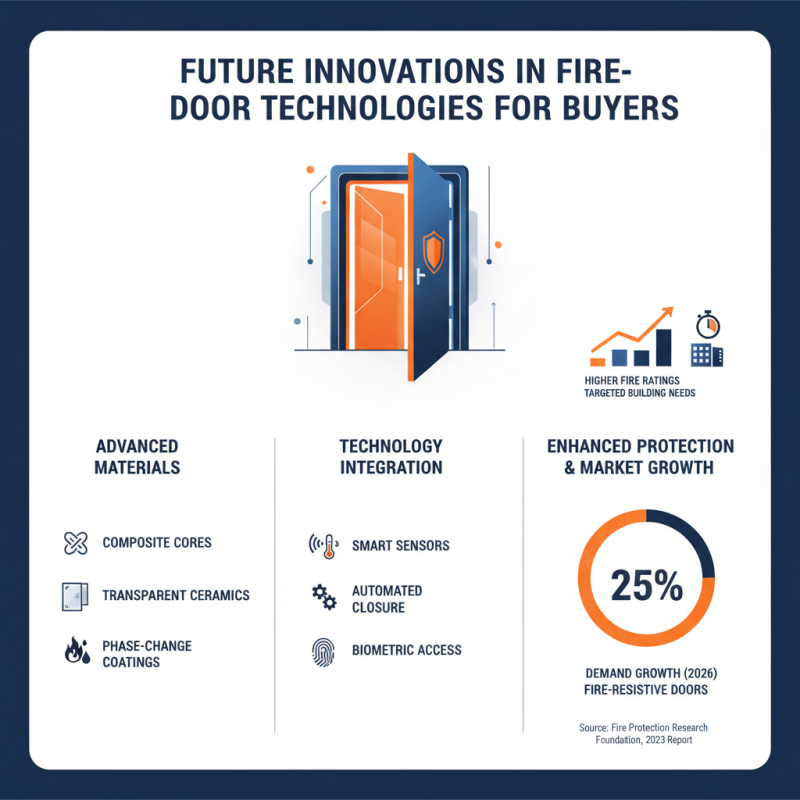
Future Innovations in Fire Door Technologies for Buyers
The fire door industry is experiencing significant advancements. Innovations in materials and technology are reshaping fire door designs. Enhanced fire ratings continue to emerge, targeting specific building needs. According to a 2023 report by the Fire Protection Research Foundation, the demand for fire-resistive doors will grow by 25% through 2026.
Smart technology integration is a key trend. Fire doors equipped with IoT sensors can monitor conditions in real-time. These sensors can detect smoke or heat, alerting occupants instantly. This proactive approach reduces risks and enhances safety protocols. Additionally, energy-efficient models are becoming popular, aligning with global sustainability goals.
Despite the advancements, challenges remain. Manufacturers must ensure compliance with evolving safety regulations. Achieving certification can be complex and resource-intensive. There’s a constant need for innovation while balancing costs. The industry must consider these factors for future growth. Collaborations between engineers, architects, and manufacturers will be crucial. Engaging in continuous learning and adaptation can lead to improved fire door solutions.

 086 15318950099
 Contact Email