Top 5 Tips for Choosing the Right Steel Fire Door?
Choosing the right Steel Fire Door is critical for safety and regulatory compliance. According to the National Fire Protection Association (NFPA), the risk of fire damage increases by 50% in buildings without proper fire doors. The right door can significantly protect lives and property. However, not all fire doors are created equal.
Quality varies widely across manufacturers. Some doors may not meet industry standards, risking their effectiveness in emergencies. A study by the Fire Safety Engineering Journal noted that improper selection could lead to severe safety failures. It highlights the importance of understanding fire ratings and door specifications.
Choosing a Steel Fire Door involves careful consideration of materials, dimensions, and installation methods. Inadequate selection often results in costly renovations or worse, preventable tragedies. Ensuring compliance with local codes adds another layer of complexity. Reflecting on these factors can guide the decision-making process to enhance building safety.

Understanding the Importance of Steel Fire Doors in Safety Standards
Steel fire doors play a crucial role in enhancing safety standards. They are essential for preventing the spread of fire and smoke within buildings. The correct choice can save lives. Fire doors should meet quality standards and regulatory requirements. Understanding their importance can influence your decision significantly.
When selecting a steel fire door, consider how it fits into your building's layout. A well-placed fire door can compartmentalize spaces during emergencies. This can provide crucial escape time for occupants. Another important factor is the fire resistance rating. Look for doors that meet or exceed local safety regulations. Proper installation is equally critical. Even the best door can fail if not installed correctly.
Evaluate the door's materials and construction. A strong door should resist extreme temperatures and impacts. Ensure it has a reliable sealing system to prevent smoke infiltration. Sometimes, even minor decisions can lead to vulnerabilities. Don’t rush your choice; consider all aspects carefully. Your selection can significantly impact safety in an emergency.
Key Features to Look for in a Quality Steel Fire Door
When selecting a steel fire door, quality is paramount. Firstly, consider the door's fire rating. A higher rating indicates better performance in preventing fire spread. Look for doors that meet or exceed local fire safety codes. These ratings can significantly impact your safety during emergencies.
Durability is another critical feature. The door should consist of high-quality steel that can withstand heat and impact. Pay attention to the door's thickness and construction. Thicker doors tend to offer enhanced protection. A solid core is generally preferable over hollow designs due to added strength.
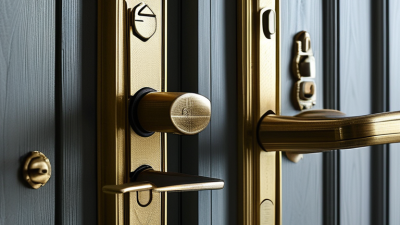
Be aware of additional features such as intumescent seals. These expand when exposed to heat, sealing gaps and preventing smoke entry. Selecting a door with reliable hardware is just as important. Hinges, locks, and frames should also be robust. They must support the door’s function in an emergency.
One commonly overlooked tip is maintenance. Regular inspections can reveal wear and tear that diminishes effectiveness. Ensure that the door operates smoothly and check for any damage. This habit fosters safety and compliance, which should always be a priority.
Top 5 Tips for Choosing the Right Steel Fire Door
Evaluating Fire Ratings and Compliance Certifications
When selecting a steel fire door, fire ratings and compliance certifications are crucial factors. They ensure that the door can withstand high temperatures and prevent the spread of fire. Fire ratings indicate how long a door can withstand fire, typically expressed in minutes. For example, a door with a 60-minute rating can resist fire for one hour. It’s important to check that the door meets local fire safety regulations.
Look for recognized compliance certifications, as these assure the door's integrity. Organizations like the Underwriters Laboratories (UL) provide rigorous testing and certification. Ensure the door has the proper labels and documentation to confirm its compliance. Sometimes, confusion arises with various ratings and tests; not all certifications are equal.
Consider the type of environment where the door will be installed. High-traffic areas might require different specifications compared to less frequented spaces. Fire doors should have proper seals and hardware to enhance their performance. The installation process also matters. Incorrect installation can negate the door's effective fire resistance. Always consult with a fire safety expert to ensure you choose the right door for your specific needs.
Assessing Installation and Maintenance Requirements for Steel Fire Doors
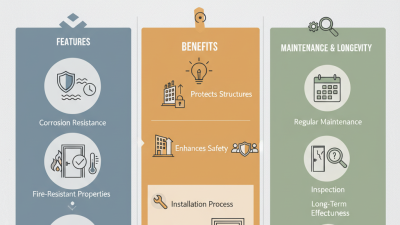
When selecting a steel fire door, installation and maintenance requirements are critical factors. A well-installed door can effectively contain fires. Proper sealing and alignment with frames must be ensured. Inadequately installed doors will not perform as expected. Regular inspections can identify potential issues early. You might find gaps or misalignments that require adjustments.
Maintenance is often overlooked but is vital. Routine checks on hinges and locking mechanisms are necessary. Corrosion can weaken the door’s integrity over time. Regularly cleaning the surface helps maintain the door's appearance and functionality. Be sure to follow any manufacturer guidelines for maintenance.
It's essential to assess the specific conditions where doors will be installed. An industrial environment may present different challenges compared to a commercial one. Consider the frequency of use and potential wear and tear. Planning for potential wear can save costs in the long run. Ask yourself: How will your facility's layout affect door placement? These considerations can lead to smarter, more efficient choices in fire door selection.
Budget Considerations: Making Cost-Effective Choices Without Compromise
When choosing a steel fire door, budget plays a crucial role. Understanding the costs associated with different door options is essential. Quality fire doors can vary significantly in price. It’s easy to be drawn to the cheapest model, but this may not always be the wisest choice. You might find yourself sacrificing safety or durability.
Consider the long-term benefits of investing in a slightly more expensive door. Higher-priced options often come with better fire ratings and materials. These features can save money over time by reducing maintenance and replacement costs. Additionally, think about the installation expenses. A less expensive door might require more complex installation, leading to higher labor costs.
Evaluate your specific needs carefully. Analyze how often the door will be used and the environment it will be placed in. It can be tempting to overlook these factors for savings. However, this can lead to regret later. Sometimes, spending slightly more on the right door can prevent significant issues down the road. Balancing cost with quality is a delicate task but essential for safety.
Top 5 Tips for Choosing the Right Steel Fire Door
| Tip |
Description |
Cost Consideration |
| 1. Check Fire Ratings |
Ensure the door meets the required fire rating for your building. |
Investing in high-rated doors can save costs in safety compliance. |
| 2. Material Quality |
Opt for high-quality steel to enhance durability and security. |
Higher quality may mean up-front costs, but reduces replacement needs. |
| 3. Installation Costs |
Consider professional installation for proper fitting and function. |
Proper installation minimizes future repair costs. |
| 4. Warranty Options |
Look for warranties to protect your investment. |
A good warranty can offset future expenses. |
| 5. Aesthetics vs. Function |
Choose a design that complements your building’s style. |
Striking balance can enhance property value while meeting safety. |

 086 15318950099
 Contact Email