2026 Top Fire Rated Door Supplier Options for Your Building Safety Needs?
In the realm of building safety, the importance of choosing the right Fire Rated Door Supplier cannot be overstated. Renowned expert Emily Carter, an authority in fire safety solutions, states, “The integrity of a fire-rated door can be the difference between life and death.” This underscores the critical role these doors play in protecting lives and property.
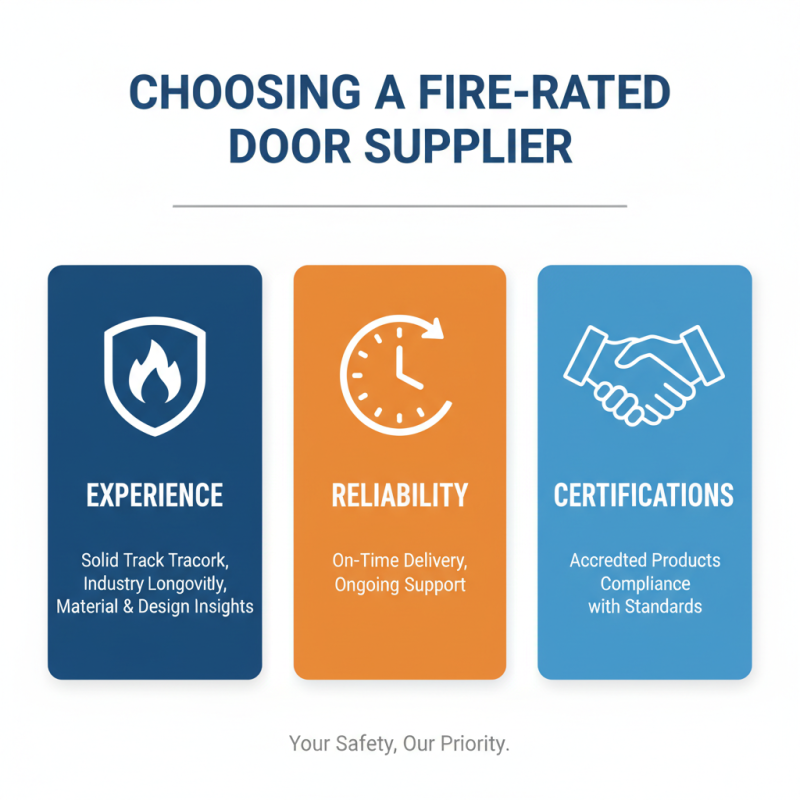
As we approach 2026, the market for fire-rated doors is evolving. Selecting a supplier involves more than just price. Factors such as certifications, testing standards, and material quality are vital. A reliable Fire Rated Door Supplier should meet industry standards and provide products for various applications.
Many buyers overlook the need for ongoing support and service. The best suppliers offer expertise beyond just sales. They help navigate regulations and installation requirements. These details can significantly impact overall safety performance. Understanding these nuances is essential in making informed decisions. Every choice defines safety.

Types of Fire Rated Doors and Their Applications in Buildings
Fire-rated doors come in various types, each designed for specific applications. They play a critical role in preserving safety during a fire. Generally, these doors are classified based on their fire-resistance ratings, such as 20, 60, or 90 minutes. A door’s rating indicates how long it can withstand fire. For example, a 60-minute fire door can help contain smoke and flames for up to an hour.
In commercial buildings, these doors are often used in stairwells and elevator lobbies. This usage helps to prevent smoke from spreading. In residential settings, fire-rated doors are essential for garage entrances and between living spaces. Their installation can significantly reduce the risk of fire spread. It is important to note that while fire-rated doors are crucial, their effectiveness depends on proper installation and maintenance. A poorly installed or damaged door will not perform as expected.
All fire-rated doors should meet local building codes and regulations. Choosing a reputable supplier is also important, but it’s not the only factor. Regular checks for wear and tear can provide added reliability. Additionally, awareness of your building's specific needs is essential. Reflecting on these details can enhance fire safety planning.
2026 Top Fire Rated Door Supplier Options for Your Building Safety Needs
| Door Type |
Fire Rating (hours) |
Material |
Application |
Compliance Standards |
| Standard Fire Door |
1.5 |
Steel |
Commercial Buildings |
NFPA 80 |
| Sliding Fire Door |
3 |
Aluminum |
Industrial Facilities |
UL 10C |
| Wood Fire Door |
1.5 |
Wood |
Residential Buildings |
NFPA 80 |
| Glass Fire Door |
1 |
Tempered Glass |
Office Spaces |
ASTM E252 |
| Steel Edge Fire Door |
2 |
Steel |
High-Risk Areas |
UL 10B |
Key Safety Standards for Fire Rated Doors in Construction
When constructing a building, fire safety is crucial. Fire rated doors play a vital role in minimizing the spread of flames and smoke. Understanding safety standards for these doors is essential for compliance and protection. There are several critical standards to consider. These include the American National Standards Institute (ANSI) and Underwriters Laboratories (UL) guidelines. Every fire rated door should meet specific ratings based on how long they can withstand fire. Common ratings include 20, 45, 60, and 90 minutes.
Manufacturers must conduct rigorous testing to ensure their products comply with these standards. Doors should also have proper labels indicating their fire rating and compliance. It's crucial to install these doors correctly to maintain their effectiveness. The door frames and hardware must be appropriately matched. Even slight misalignments can compromise their protective features. Regular inspections are necessary to ensure that doors remain in good condition.
Many builders overlook the importance of choosing quality suppliers. It can be tempting to opt for cheaper options. However, the potential risks involved may lead to greater costs in the long run. A thorough evaluation of supplier credentials is vital. Knowledge of their compliance with safety regulations can enhance the safety of your building significantly.
2026 Top Fire Rated Door Supplier Options for Your Building Safety Needs
Leading Suppliers of Fire Rated Doors for 2026: A Comparative Review
When evaluating top fire rated door suppliers for 2026, key factors emerge. A 2023 report by the National Fire Protection Association highlighted a significant rise in fire incidents, prompting an increased focus on building safety. Fire rated doors play a critical role in fire prevention and containment, reducing the spread of flames and smoke.
Leading suppliers provide a variety of fire rated doors, often classified by their fire-resistance duration. Many doors offer ratings of 20 to 90 minutes. However, not all options are created equal. In recent years, the industry has faced challenges related to compliance and certification. A study indicated that about 30% of fire doors do not meet required standards, posing serious safety risks.
Observing supplier reliability is crucial. Independent testing labs can offer insights into a product’s performance. Additionally, embrace new technologies, like intumescent materials, which expand under heat and improve safety. Unfortunately, not every supplier invests in advanced technology, which can impact overall protection levels. As safety demands evolve, thorough research on suppliers is essential for informed decisions.
Maintenance and Inspection Requirements for Fire Rated Doors
Fire rated doors play a critical role in containing flames and smoke during a fire. Regular maintenance and inspection are essential to ensure their effectiveness. A thorough check should include assessing the door's condition, hinges, and seals. Any signs of wear could compromise safety.
Monthly inspections are recommended to identify issues early. It’s easy to overlook small defects, yet they can lead to significant problems. Keeping a log of inspections helps track any changes over time. This practice contributes to proactive maintenance, allowing for timely repairs.
Even with stringent inspections, imperfections may arise. Door alignment can shift, affecting operation. Gaps in seals might develop, which can reduce the door's fire-resistance rating. These reflections indicate that constant vigilance is necessary for optimal performance.
Prioritizing maintenance helps ensure safety and compliance with regulations.

 086 15318950099
 Contact Email