086 15318950099


Choosing the 2026 Best Fire Door ODM Supplier for Global Buyers? The decision requires more than comparing catalog prices. A capable Fire Door Odm Supplier should combine tested designs, stable production, and clear communication. Buyers need evidence, not attractive promises. Review fire-resistance reports, material specifications, factory quality controls, and project references before approving samples.
Real experience often appears in small details. Check whether door leaves remain square after repeated handling. Inspect hinge alignment, edge sealing, hardware fit, and packaging strength. Ask how the supplier manages design changes, batch records, and replacement components. A professional partner should explain testing conditions and applicable market requirements in understandable language. Independent certification and documented traceability also support reliable purchasing decisions.
No supplier is perfect. Every project has limits. Some factories offer excellent customization but slower engineering responses. Others deliver quickly but provide fewer finish options. This trade-off deserves honest discussion. Global buyers should assess communication, inspection procedures, production capacity, and after-sales support together. A trustworthy ODM relationship grows through sample evaluation, written specifications, and regular quality reviews. In 2026, the strongest partner will not simply sell a fire door. It will help buyers reduce uncertainty, protect installation quality, and make informed decisions across different building applications. Claims should remain verifiable. That part is easy to overlook.
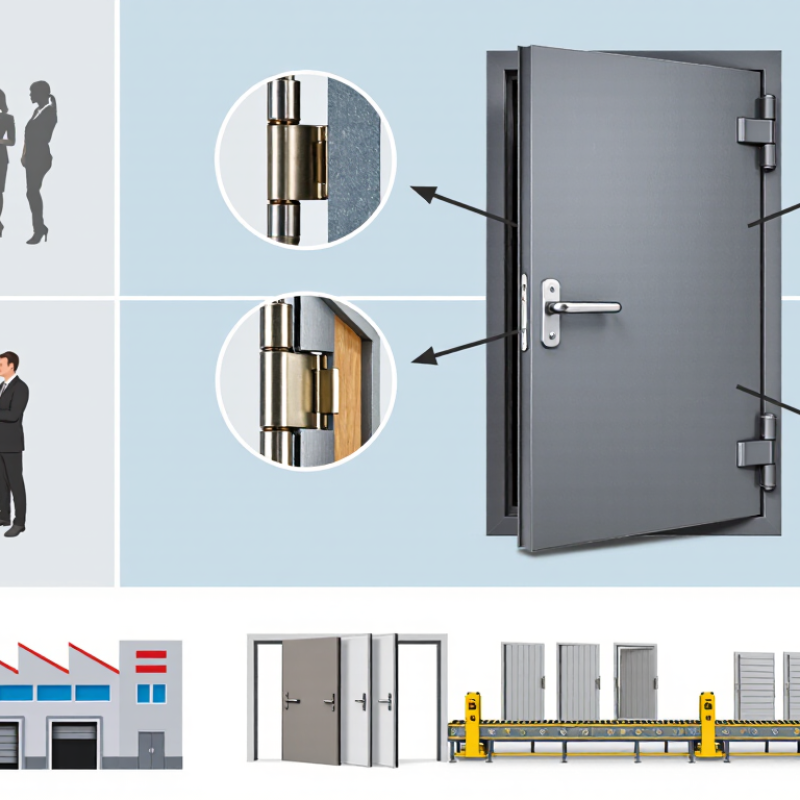
Fire door ODM services turn a buyer’s project brief into a production-ready door system. The supplier may coordinate design, core materials, hardware preparation, factory testing, and export packaging. Global buyers gain a single manufacturing partner, but they still need to confirm that each door assembly suits its intended building and market. A leaf, frame, seals, and hinges must work together; swapping one component can affect tested performance.
The need is practical, not abstract. NFPA’s report, Fire Loss in the United States During 2023, estimates 1.39 million fires and 3,670 civilian fire deaths that year. These figures describe the United States, not the global market, but they show why dependable fire protection matters.
An experienced ODM supplier should provide traceable test records, clear installation details, and consistent production controls. Buyers should verify applicable certification directly; a factory’s general quality certificate is not proof that a specific door assembly has passed a fire test. This distinction is easy to overlook.
Tips
Send drawings, opening sizes, hardware requirements, and destination-market criteria before requesting a quote. Ask for the exact tested assembly and its supporting documents. Then check samples against production records. A neat sample is not enough.
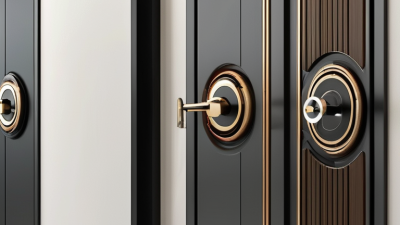
Fire doors are selected as tested assemblies, not decorative slabs. Common options include timber doors for offices and hotels, steel doors for service areas, and glazed doors for corridors needing borrowed light. Each type behaves differently under heat. A glazed vision panel can improve wayfinding, but its glass, frame, and seals must match the door’s tested configuration. Details matter.
Materials influence weight, durability, and installation. Timber leaves often use engineered cores; steel doors may contain mineral or honeycomb cores. Frames, hinges, closers, latches, and intumescent seals also affect performance. A heavy leaf with weak hinges is not a dependable barrier. Neither is a well-rated door left propped open.
Fire-resistance ratings commonly appear as 20, 45, 60, 90, or 120 minutes, but available classes and test methods vary by market. The rating applies to the complete assembly under specified conditions, not every component in isolation. Buyers should request current test evidence, compatible hardware schedules, and installation guidance. One practical caution: paperwork may omit the exact frame or glazing option. Specifications alone cannot correct poor site fitting or maintenance.
For global buyers, choosing a fire door ODM supplier starts with market-specific compliance. A door tested under EN 1634-1 may not satisfy projects requiring UL 10C or NFPA 252. The required fire rating, smoke control, glass type, hardware, and frame design must match the local code. Ask for complete test reports, certification scope, and production records. A certificate should identify the exact door assembly, not only a similar model. Small differences matter.
Experienced suppliers can provide drawings, material samples, and controlled prototypes before mass production. Check steel thickness, core density, intumescent seals, hinges, closers, and labeling. Factory quality systems should include batch traceability and final inspection records. During audits, buyers should compare approved samples with packed products. This step is often missed. It can prevent costly site failures. Still, documentation may contain gaps or outdated references, so independent verification remains sensible.
Tips: Confirm the destination country’s accepted standards before requesting a quotation. Require a door-and-frame test assembly, not a door alone. Review certification validity and scope with a qualified local consultant. Keep signed drawings and sample records. Do not rely on marketing claims. A supplier may be technically capable, yet weak in export documentation or after-sales support. That weakness can delay approval, even when the door performs well.
Fire-resistance rating durations referenced in European and U.S. fire-door frameworks
The chart counts rating-duration classes, not product performance: EN 13501-2 classification periods include nine durations from 15 to 240 minutes, while common U.S. fire-door protection ratings include five durations from 20 to 180 minutes. Ratings and test results are not automatically interchangeable across markets. Buyers should confirm the required local test standard, classification, labeling, and certification for each project.
References: EN 13501-2, Fire classification of construction products and building elements; International Building Code, Table 716.1(1), fire door and fire shutter assembly ratings. Always check the edition adopted by the destination market.
For 2026, global buyers should assess an ODM fire door supplier beyond catalog images. NFPA’s Fire Loss in the United States During 2022 reported about 1.5 million fires and $18.1 billion in property damage. This figure shows why design evidence matters.
Ask for tested door assemblies, not isolated components. The supplier should provide CAD drawings, material specifications, core density, frame details, hardware schedules, and smoke-seal options. Designs should match standards such as EN 1634-1 or NFPA 80, depending on the target market. A real sample should show even gaps, clean welds, stable hinges, and accurate closing action. Small defects can become serious during heat exposure.
Manufacturing capability requires a factory audit. Check steel thickness with a gauge, inspect weld consistency, and trace each batch through cutting, forming, filling, coating, and final inspection. Request test reports from qualified laboratories and verify their scope, dates, and door configuration. ISO 9001 certification can support process control, but it cannot replace product testing. Be careful with impressive videos. They prove little.
An experienced ODM partner should also explain failed tests and corrective actions. That conversation is often more valuable than a perfect presentation. I would question suppliers refusing to share tolerances or production records. Some specifications may need revision after site conditions appear. That is not weakness; it is practical engineering.
Use this evidence-based assessment framework to compare ODM suppliers. Confirm that product approvals and test reports apply to the exact door assembly and requirements of the intended market.
| Assessment Dimension | Weight | What to Assess | Evidence to Request | Rating (0–5) |
|---|---|---|---|---|
| Regulatory and market fit | 20% | Ability to identify the applicable fire, smoke-control, labeling, and installation requirements for each destination market. | Market-by-market compliance matrix; current certificates and classification reports; confirmation of the approved door, frame, glazing, and hardware configuration. Examples of relevant references include EN 1634-1 and EN 13501-2 in applicable European pathways, or NFPA 252 and UL 10C where required by the relevant North American specification. Applicability depends on the project and jurisdiction. | _____ / 5 |
| Product design and engineering | 15% | Capability to develop drawings, material specifications, dimensions, tolerances, and configurations while controlling changes to tested designs. | Sample technical drawings and bills of materials; revision-control procedure; design-change approval workflow; documented review of hardware, seals, glazing, frame, and wall-interface compatibility. | _____ / 5 |
| Fire and performance validation | 15% | Whether test and classification evidence supports the offered assembly, intended rating, and permitted field of application. | Complete reports from suitably accredited laboratories; tested specimen details; classification and scope limitations; evidence for smoke-control or other required performance. EN 1634-3 is a relevant smoke-control test reference where applicable. Verify report authenticity and scope with the issuing body. | _____ / 5 |
| Manufacturing process control | 20% | Consistency of fabrication, assembly, finishing, in-process checks, and control of materials used in approved door sets. | Factory process flow; inspection and test plans; equipment maintenance and calibration records; material identification and traceability; nonconformance and corrective-action records; sample production and inspection records. | _____ / 5 |
| Quality management and traceability | 10% | Document control, incoming inspection, finished-product release, complaint handling, and lot-level traceability. | Quality procedures and audit records; sample batch or serial-number trace; inspection criteria and release records. ISO 9001 certification, if held, relates to a quality management system and does not by itself certify a fire-door product. | _____ / 5 |
| Supply-chain resilience | 10% | Control of critical components, approved suppliers, material substitutions, lead-time risks, and continuity planning. | Critical-component list; supplier approval and monitoring process; substitution-control procedure; risk and continuity plans; documented lead-time assumptions for samples and production orders. | _____ / 5 |
| ODM project and export support | 10% | Ability to manage specifications, prototypes, packaging, technical documentation, communication, and shipment coordination for the buyer’s market. | Project timeline and responsibility matrix; sample approval process; installation and maintenance documentation; export packaging specification; clear process for handling design queries and production changes. | _____ / 5 |
| Total | 100% | Weighted result = sum of (dimension rating ÷ 5 × dimension weight). | _____ / 100 | |
Choosing a 2026 fire door ODM supplier requires more than comparing unit prices. According to the NFPA report Fire Loss in the United States During 2023, U.S. fire departments responded to approximately 1.39 million fires. Each door must perform under pressure. Global buyers should request tested assemblies, not isolated door-leaf claims. Test evidence should identify the complete construction, including frame, hinges, closer, glazing, seals, and hardware.
Quality control begins with material traceability. During factory audits, buyers should check steel thickness, core density, weld consistency, and intumescent seal placement. Small gaps matter. A poorly fitted seal can undermine an otherwise certified assembly. The inspection plan should include incoming-material checks, in-process measurements, finished-door sampling, and photographic records. Independent laboratory reports add authority, but buyers must verify the tested configuration matches the production model. Paperwork alone is not enough.
Delivery also needs engineering attention. The World Bank’s Logistics Performance Index 2023 shows uneven customs, infrastructure, and shipment reliability across markets. Suppliers should provide realistic lead times, export packaging details, pallet dimensions, and document lists before production begins. Moisture-resistant wrapping and corner protection are practical necessities for long sea routes. I would not promise zero defects; that is unrealistic. A stronger supplier explains likely failure points and corrective actions. Buyers should also allow time for reinspection, because rushed approval can cost more than delayed shipment.