086 15318950099


Choosing the best China Fire Door Project Supplier requires more than comparing prices or browsing attractive product photos. A reliable partner should demonstrate practical project experience, controlled manufacturing, and verified fire-resistance performance. The right supplier understands how door ratings, wall structures, hardware, smoke seals, and installation conditions work together. Small details matter. A poorly fitted frame can weaken an otherwise tested door.
This introduction examines the qualities that distinguish dependable Chinese suppliers from ordinary exporters. It considers factory capability, material traceability, testing documentation, quality inspections, customization, delivery coordination, and after-sales support. Buyers should review relevant certificates carefully and confirm whether testing applies to the complete door assembly. A professional supplier can explain rating periods, core materials, glazing options, panic hardware, and maintenance requirements without using vague promises. Site experience also matters, especially for hospitals, hotels, warehouses, schools, and high-rise developments.
No supplier is perfect. Even experienced manufacturers may face delays, communication gaps, or installation misunderstandings. That is why a careful evaluation process remains essential. Request clear drawings, approved samples, production photographs, inspection records, and realistic lead times. Speak with previous project clients when possible. The best choice may not be the cheapest quotation. It is usually the supplier that communicates honestly, identifies risks early, and supports the project after delivery. In fire protection, confidence should come from evidence, not impressive wording alone.
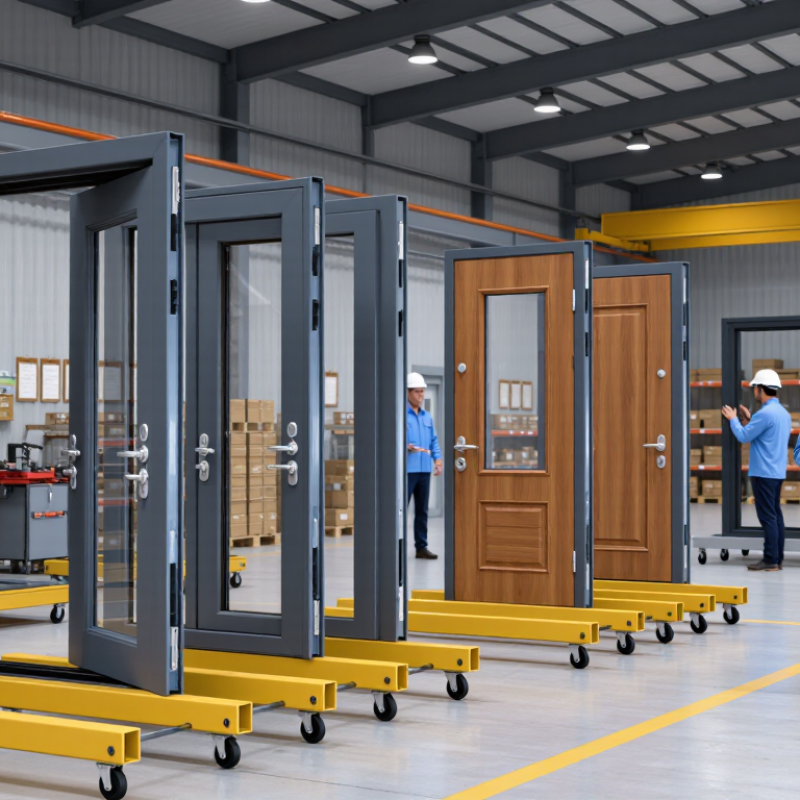
Choosing a China fire door project supplier requires more than comparing unit prices. The right partner should understand building layouts, fire ratings, hardware coordination, and installation conditions. A reliable supplier provides test reports, product specifications, inspection records, and clear traceability for each production batch.
Ask for evidence, not promises.
Details matter. Experienced suppliers can review door schedules and identify conflicts with walls, frames, locks, or access systems. They should confirm material thickness, core composition, smoke control performance, and approved size ranges. Factory quality checks should include welding, surface finish, hinge alignment, closing force, and label accuracy. Independent testing is also valuable because requirements differ between countries and project types.
Communication affects the final result. A capable project supplier assigns technical contacts, responds with drawings, and reports production changes before shipment. Packaging should protect corners and hardware during long-distance transport. Delivery planning must consider inspection time, replacement parts, and installation support.
One common mistake is focusing on the factory quotation while ignoring site coordination. That gap matters. A cheaper door can create delays when documents are incomplete or dimensions are wrong.
Even careful suppliers may need improvement in response speed or customization control, so buyers should record these weaknesses during evaluation. A practical supplier earns trust through consistent records, honest limitations, and measurable quality rather than attractive claims.
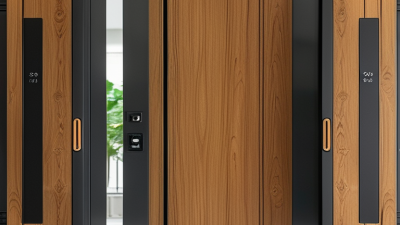
A reliable fire door supplier should prove performance through complete assembly testing. The door leaf alone is not enough. Evaluators should check the frame, hinges, locks, glazing, seals, and closer. Each component can affect fire resistance.
Relevant standards may include EN 16034, UL 10C, or NFPA 80, depending on the project location. Requirements must match local building codes and the specified rating. Ask for test reports from an ISO/IEC 17025-accredited laboratory. Check the tested size, hardware, wall type, and exposure time. Small differences matter.
Look beyond certificates. Factory experience matters. A capable manufacturer should control steel thickness, welding quality, coating adhesion, and dimensional accuracy. Production records should connect raw materials with finished doors. Sample approval must match mass production. It sounds obvious, but it is often missed.
Site support is another useful measure. Technical drawings, installation guidance, and replacement hardware can prevent costly delays. Ask how the supplier handles damaged units and design changes. Communication speed matters too.
A polished brochure proves little. Field evidence is stronger. Some suppliers present valid certificates for configurations unlike the proposed project. That should create doubt, not confidence. Price is also worth questioning. An unusually low offer may exclude testing, compatible hardware, or inspection support. I would rather see clear limitations than confident promises. No supplier is perfect, and a careful evaluation should record the remaining risks.
When selecting a China fire door project supplier, compare the product construction before comparing prices. Steel doors usually offer strong impact resistance and stable performance in busy buildings. Timber doors can provide warmer interiors, but their cores and edge protection need careful checking. Glazed doors improve visibility, yet the glass system must match the tested door assembly. Common ratings include 30, 60, 90, and 120 minutes. Not every attractive door performs equally.
A reliable supplier should provide independent fire-resistance test reports, smoke-control evidence, and product traceability. Check whether the reports cover the complete assembly, including hinges, locks, closers, seals, and glazing. Certificates alone are not enough. Ask for test dates, field-of-application limits, and installation requirements. Requirements differ between countries, so local approval should be verified before production. Clear documentation often reveals more than a polished catalog.
Customization may include opening dimensions, vision panels, hardware, finishes, acoustic control, and thermal requirements. Confirm tolerances early, especially for large doors and uneven walls. On projects I have reviewed, small installation gaps caused expensive rework. Small gaps become serious. I once focused too heavily on the fire rating and overlooked daily hardware use. That was a useful correction. A door must resist fire and still close reliably after repeated operation. Supplier drawings, sample approvals, packing details, and site support can make that difference.
Choosing the best China fire door project supplier requires more than comparing unit prices. Project support should begin with clear technical drawings, approved door schedules, and a named project engineer. Ask how quickly the supplier answers site questions. Also check whether they can coordinate hardware, glazing, frames, and wall conditions. Details matter.
Quality control must be visible, not promised. Request material certificates, fire-test reports, inspection records, and sample approvals before mass production. A reliable factory should trace steel, cores, seals, and hardware by batch. Factory inspections should include welding points, door alignment, coating thickness, and closing-force checks. A clean showroom can mislead. Production evidence matters more.
Delivery performance depends on planning and honest communication. Confirm production capacity, packaging methods, loading photos, and shipment milestones in writing. The supplier should protect doors from moisture, impact, and deformation during transport. Ask about replacement procedures for damaged or incorrect units. Delays compound. A supplier may offer an impressive schedule, yet overlook approval time or port congestion. That weakness deserves discussion before signing. The strongest project partner accepts technical questions, reports problems early, and adjusts documents when site conditions change. Reliability is demonstrated through consistent records, not confident promises.
Supplier evaluation framework based on documented project capability, applicable fire-door standards, manufacturing controls, and delivery performance
| Evaluation Dimension | Key Assessment Metric | Weight | Recommended Project Benchmark | Required Evidence | Score (0–5) |
|---|---|---|---|---|---|
| Project Support | Technical submittal and drawing coordination | 15% | Complete door schedules, hardware schedules, shop drawings, finish samples, and installation details before production approval. | Approved drawings, revision register, technical submittal log, and named project engineer. | — |
| Project Support | Compliance with local code and test requirements | 15% | Product configuration must match the applicable jurisdiction and the referenced test or classification standard, such as EN 1634-1, UL 10C, NFPA 80, or an equivalent accepted requirement. | Current test reports, classification reports, certificates, product data sheets, and authority approval records where required. | — |
| Quality Control | Manufacturing quality management | 15% | Documented quality-management procedures covering incoming materials, in-process inspection, final inspection, nonconformance control, and corrective action. | Quality manual, inspection and test plan, inspection forms, calibration records, and corrective-action reports. | — |
| Quality Control | Fire-door assembly traceability | 15% | Each door assembly should be traceable to its materials, hardware, production batch, inspection result, and approved configuration. | Batch numbers, material certificates, hardware records, factory inspection reports, and permanent product identification where specified. | — |
| Quality Control | Hardware and component compatibility | 10% | Locks, hinges, closers, seals, vision panels, louvers, and other components must be compatible with the tested or approved door assembly. | Approved hardware schedule, component datasheets, compatibility confirmation, and documented substitution-approval process. | — |
| Delivery | Production planning and lead-time control | 10% | A written production schedule should identify approval dates, material procurement, fabrication, inspection, packing, and shipment milestones. | Baseline schedule, milestone updates, risk register, and written explanation of any delay or change. | — |
| Delivery | Packaging and shipment protection | 10% | Doors and frames should be protected against moisture, impact, deformation, corrosion, and hardware loss during handling and transport. | Packing specification, loading photographs, carton or pallet identification, shipping marks, and damage-claim procedure. | — |
| After-Sales Support | Installation guidance and defect resolution | 10% | Provide installation instructions, maintenance guidance, replacement-part support, and a documented process for handling site defects or missing components. | Installation manual, maintenance schedule, response-time commitment, punch-list process, and spare-parts plan. | — |
The best fire door supplier is not always the one offering the lowest price. A reliable supplier understands the entire project, from wall openings to final installation. Ask for clear product data, tested door assemblies, and drawings showing frames, hinges, closers, and smoke seals. These details prevent expensive changes later.
Experience becomes visible in small details. A professional supplier checks opening sizes before production and confirms the required fire rating. They should explain which test reports apply to the complete assembly, not only the door leaf. Request samples when possible. Inspect the edge sealing, frame corners, hardware finish, and closing action. A good door should close smoothly without excessive force.
Communication matters just as much. The supplier should answer technical questions directly and provide a realistic production schedule. Confirm packing methods, delivery terms, installation guidance, and after-sales support in writing. Cheap quotes can hide missing hardware or unsuitable specifications. That happens.
Do not accept every document without question. Test reports may have limits, and site conditions can differ from laboratory conditions. Ask an independent consultant to review critical details when the project is complex. I would also keep a record of approvals, revisions, and delivery inspections. It feels slow, but it protects the project when a small mistake becomes a serious delay.